
The luxury handbag gathering dust in your closet tells a story. So does the vacation you took last month where you actually turned off Slack. But only one of these signals real wealth in 2025.
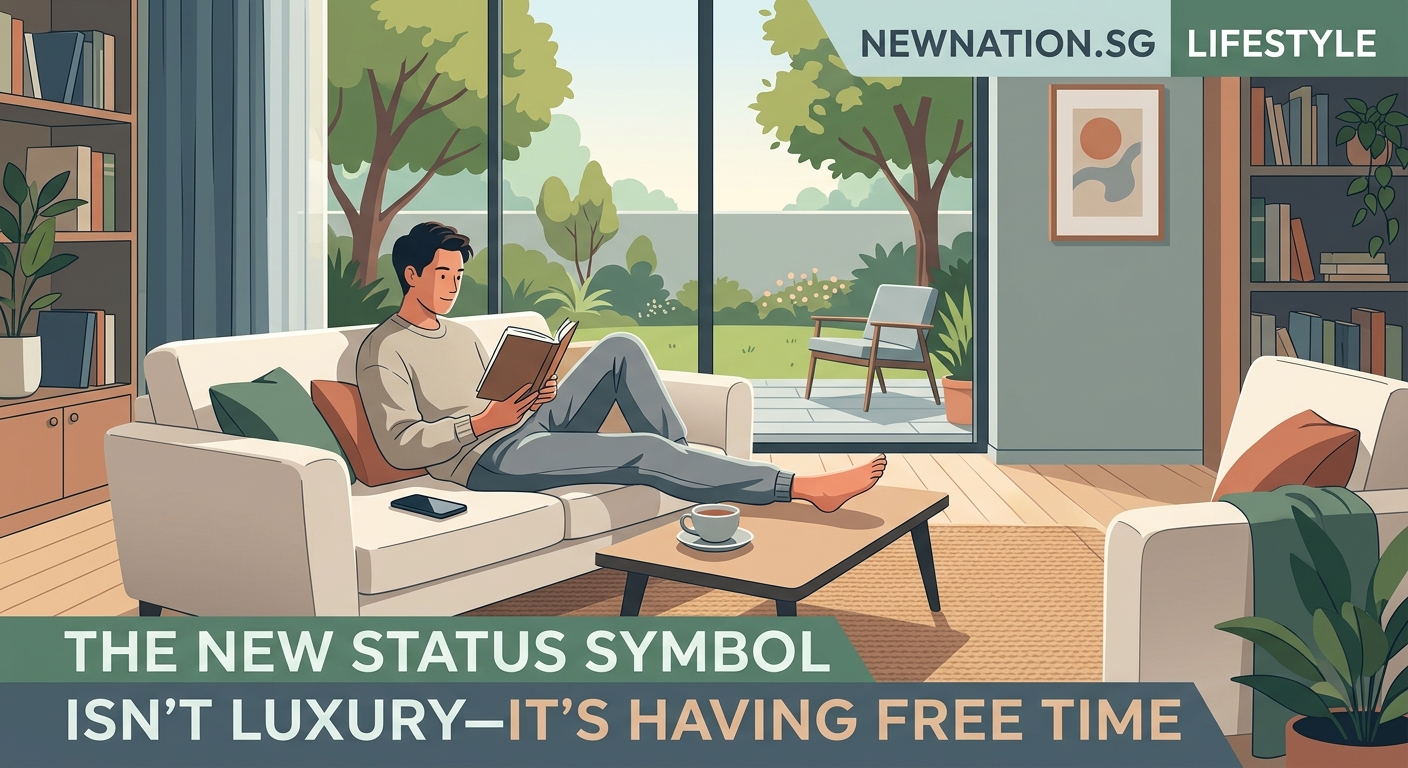
Free time has replaced material luxury as the premier status symbol among millennials and Gen Z professionals. Flexible schedules, sabbaticals, and the ability to disconnect from work now signal greater wealth and social capital than designer goods. This shift reflects changing values around autonomy, mental health, and what constitutes a successful life in an always-on work culture.
Why expensive things stopped impressing people
Designer logos used to mean something. They broadcast success, taste, and financial security to everyone you passed on the street.
That signal broke.
Luxury goods became accessible through payment plans, resale markets, and convincing dupes. A Chanel bag no longer guarantees the owner has Chanel money. It might mean they have a credit card and good taste in replicas.
Meanwhile, something else became genuinely scarce. Time that belongs only to you. Hours where no manager can reach you. Days where you choose what happens.
You can’t fake a three-month sabbatical. You can’t buy a convincing knockoff of a flexible work schedule. These things require actual resources and negotiating power.
The free time status symbol emerged because it’s the one luxury that can’t be counterfeited.
What changed in how we think about success
Previous generations measured success in accumulation. The corner office. The German sedan. The vacation home.
Millennials and Gen Z watched their parents trade decades for these trophies, then saw companies eliminate those same corner offices in favor of open floor plans. They graduated into recessions where financial security felt like a moving target.
The calculus shifted.
If you can’t guarantee a pension, if job security is a myth, if the housing market feels rigged, then optimizing for stuff makes less sense. Optimizing for experiences and autonomy makes more.
This generation values flexibility over square footage. They’d rather work remotely from Bali for a month than buy a bigger TV. They’ll take the pay cut for unlimited PTO.
“The new luxury is having control over your calendar. That’s what people brag about now. Not what they bought, but what they didn’t have to do.” — Ashley Whillans, behavioral scientist at Harvard Business School
Social media accelerated this shift. Instagram made material goods visible and therefore comparable. But it also made free time visible. Photos from a Tuesday afternoon hike. A yoga class at 11 AM. Lunch that clearly wasn’t eaten at a desk.
These posts signal something money alone can’t buy: autonomy.
How people actually display this new status
The free time status symbol shows up in subtle and not-so-subtle ways:
- Out-of-office messages that say “I’m unavailable” without offering an alternative contact
- Vacation photos posted in real-time instead of after returning to work
- Casual mentions of weekday activities during business hours
- LinkedIn profiles highlighting sabbaticals and career breaks
- Declining meetings because of “personal commitments” without elaboration
- Working part-time by choice, not necessity
The flex isn’t the activity itself. It’s the fact that you could do it when most people are chained to their desks.
A Wednesday afternoon movie hits different than a Saturday showing. The movie is the same. The freedom is not.
The humble brag evolved
Traditional humble brags focused on problems of abundance. “Ugh, so many vacation days to use before year-end.”
The new version centers on boundary-setting. “I don’t check email after 6 PM.” “I take all of August off.” “I only work four days a week.”
These statements broadcast privilege, but they’re framed as personal choices rather than corporate benefits. The subtext: I have enough power to set these terms.
Who can actually afford this status symbol
Here’s the uncomfortable truth: the free time status symbol is deeply unequal.
High earners in knowledge work can negotiate flexibility. They work remotely. They set boundaries. They take sabbaticals.
Service workers, healthcare staff, teachers, and retail employees don’t have this option. Their jobs require physical presence and fixed schedules. They can’t log off early or work from a beach in Portugal.
The people posting about their four-day work weeks often earn multiples of what shift workers make. They have financial cushions. They work in industries where presence matters less than output.
This creates a new class marker. Not just who has money, but who has time sovereignty.
| Status Symbol | Who Can Access It | What It Signals |
|---|---|---|
| Luxury goods | Anyone with credit | Taste, possibly wealth |
| Free time flexibility | Salaried knowledge workers | Actual power and autonomy |
| Extended sabbaticals | High earners with savings | Financial security and negotiating leverage |
| Weekday leisure | Self-employed or senior employees | Ultimate control over schedule |
The free time status symbol isn’t just about wealth. It’s about what kind of wealth and what kind of work.
The companies selling you back your time
Capitalism noticed this shift and responded predictably. If people want time, sell them time.
Subscription services promise to give you hours back. Meal kits. Laundry pickup. Grocery delivery. House cleaning. Dog walking. The pitch is always the same: buy back your evenings and weekends.
Wellness retreats market “digital detox” experiences. You pay thousands to have someone confiscate your phone so you can remember what boredom feels like.
Productivity apps promise to make you so efficient you’ll create spare hours. Time-blocking tools. Focus apps. AI assistants that manage your calendar.
The irony is thick. We work more to afford services that give us time to recover from working more.
Some of these services genuinely help. Outsourcing tasks you hate makes sense if you can afford it. But the framing reveals our desperation. We’re buying back something that shouldn’t be for sale in the first place.
What this means for how we work
The free time status symbol is changing workplace expectations, especially for younger professionals.
-
Job seekers now ask about flexibility in first interviews. They want to know about remote work policies, PTO, and after-hours expectations before discussing salary.
-
Companies advertise unlimited vacation and flexible schedules as primary benefits. They’ve realized ping-pong tables don’t cut it anymore.
-
The “always-on” culture is facing backlash. France has right-to-disconnect laws. More workers are setting email boundaries. Being responsive at 11 PM is increasingly seen as poor boundaries rather than dedication.
These changes started at the top of the labor market and are trickling down. Tech workers and consultants demanded flexibility first. Other industries are following.
But implementation is messy. Unlimited PTO often means people take less vacation, not more. Flexible schedules can mean you’re always working, just from different locations. The policy matters less than the culture.
Why this shift might actually stick
Previous workplace trends came and went. Remember when open offices were going to make everyone more collaborative? That aged poorly.
The free time status symbol feels different because it’s tied to deeper changes:
Economic instability made stuff less appealing. When you’ve seen multiple recessions before age 40, accumulating things feels risky. Experiences can’t be repossessed.
Technology made work inescapable. Smartphones put the office in your pocket. The only defense is strict boundaries. Free time became something you have to actively protect.
Mental health entered mainstream conversation. Burnout is a medical diagnosis now. People talk openly about therapy and stress. Taking time off is healthcare, not laziness.
Climate anxiety shifted priorities. If the future feels uncertain, optimizing for present-day well-being makes more sense than delayed gratification.
These aren’t fads. They’re responses to structural changes in how we work and live.
The pandemic accelerated everything. Millions of people worked from home and realized they preferred it. They saw their kids during the day. They took walks at lunch. They remembered what life felt like with commute time back.
Some of that flexibility has been clawed back. Return-to-office mandates are real. But the taste of autonomy is hard to forget.
The dark side nobody talks about
The free time status symbol has an ugly underbelly.
It can make people who work long hours feel like failures. If having time off signals success, then being busy signals the opposite. This hits hardest for people in jobs that genuinely require long hours or multiple jobs to make ends meet.
It creates pressure to perform leisure. Your time off needs to look good on Instagram. A quiet weekend at home doesn’t have the same cachet as a photogenic adventure.
It can become competitive. Who works the least while maintaining their lifestyle? Who has the most impressive boundaries? Status games don’t disappear. They just change shape.
And it ignores systemic issues. Individual flexibility is great, but it doesn’t fix exploitative labor practices. Your four-day work week might depend on someone else working six days.
The free time status symbol can be a shield for privilege. It lets high earners feel virtuous about their lifestyle choices while ignoring that those choices aren’t available to most people.
How to actually get more time sovereignty
If you want to join the free time status symbol club, here’s what actually works:
Build skills that are in demand. The more valuable you are, the more leverage you have to negotiate terms. This is unfair but true.
Choose your industry carefully. Some fields offer flexibility. Others don’t. Tech, consulting, and creative work often allow remote and flexible arrangements. Healthcare, education, and service work typically don’t.
Negotiate from the start. It’s easier to set boundaries in your offer letter than to claw them back later. Ask about flexibility before you accept the job.
Spend less than you earn. Financial cushion gives you options. You can take unpaid time off. You can walk away from bad situations. You can negotiate harder.
Set boundaries and defend them. Don’t apologize for logging off at 6 PM. Don’t check email on vacation. Train people to expect your boundaries.
Consider self-employment. It’s risky and often means working more at first, but it can offer ultimate schedule control if you succeed.
Move to a lower cost-of-living area. If you can work remotely, geographic arbitrage gives you more financial breathing room and therefore more time choices.
None of this is easy. All of it requires some combination of privilege, planning, and risk tolerance.
What comes after free time as status
Status symbols evolve. In the 1950s, it was a single-income household. In the 1980s, it was conspicuous consumption. In the 2000s, it was being busy and important.
Now it’s having time and using it well.
What’s next? Probably something we can’t predict. But we can guess at the direction.
Maybe it’s impact over income. Working on something meaningful, even if it pays less. Status from contribution rather than consumption or leisure.
Maybe it’s community and connection. As loneliness becomes an epidemic, having deep friendships and strong local ties might become the ultimate flex.
Maybe it’s health and longevity. If you can afford the best healthcare, personal trainers, and longevity treatments, you’re signaling resources and forward-thinking.
Or maybe we’ll swing back to material goods. Trends are cyclical. Gen Alpha might rebel against their parents’ minimalism and embrace maximalist consumption.
Whatever comes next, it will reflect what’s scarce and what we value. Right now, that’s time and autonomy.
Living differently in an always-on world
The free time status symbol isn’t just about bragging rights. It’s about survival in a work culture that will take everything you give it.
Your company will not protect your time. Your manager might sympathize, but they’re optimizing for output. The only person who will defend your boundaries is you.
This isn’t about being lazy or unmotivated. It’s about recognizing that your life is more than your job. That rest is productive. That saying no is a skill.
The most radical thing you can do in a culture of constant availability is to be unavailable. To take the afternoon off without guilt. To use your vacation days. To stop checking email at 10 PM.
Not because you’re rich or special, but because your time belongs to you first.
That’s the real status symbol. Not broadcasting your freedom to others, but actually experiencing it yourself.