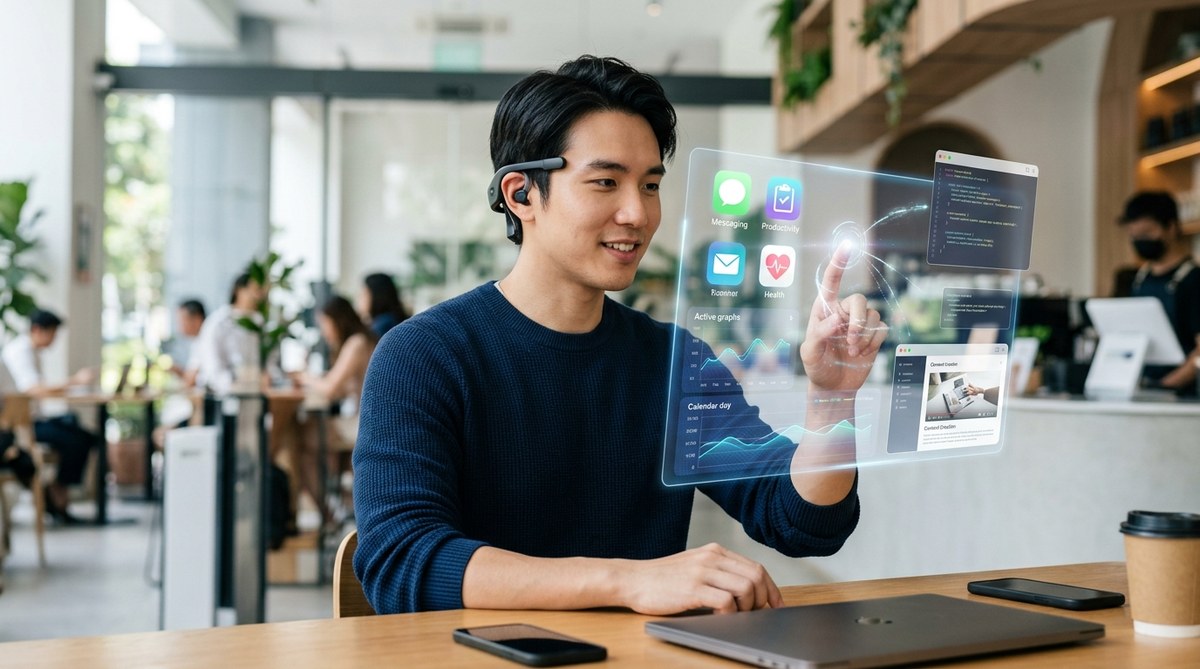
Neural interfaces are rapidly moving from science fiction to everyday reality in 2026. These innovative systems, which connect the human brain directly to devices, are poised to revolutionize how we work, communicate, and entertain ourselves. As breakthroughs accelerate, neural technology is becoming more accessible and integrated into our daily routines, promising a future where controlling gadgets with your mind could be commonplace. This wave of progress opens exciting possibilities but also raises important questions about ethics, privacy, and accessibility.
By 2026, neural interfaces will become more refined and integrated into daily life, enabling seamless interaction with technology. These advancements will enhance productivity, entertainment, and healthcare while prompting discussions about privacy and ethical use. Staying informed will help you adapt and benefit from these powerful innovations.
How neural interfaces will reshape everyday technology in 2026
In the last few years, neural interface technology has grown from experimental prototypes to practical tools with real-world applications. By 2026, these systems will influence many aspects of daily tech use, making interactions more natural and intuitive. Instead of relying solely on screens, keyboards, or voice commands, users will be able to communicate with devices through thought alone. This shift will impact everything from how we manage our schedules to how we enjoy media and stay healthy.
The most promising breakthroughs in neural technology this year
Several key advancements are fueling the neural interface revolution. Researchers have developed more sensitive electrodes capable of capturing detailed brain signals without invasive surgery. These improvements allow for more accurate control and feedback. Meanwhile, wearable neural devices are becoming smaller, more comfortable, and capable of long-term use. Additionally, artificial intelligence is enhancing the interpretation of neural data, making devices smarter and more responsive. Together, these innovations are laying the groundwork for widespread adoption.
Improving signal capture and processing
One of the biggest hurdles in neural interface development has been reliably interpreting brain signals. In 2026, new flexible electrode arrays can conform to the brain’s surface, providing clearer, more stable data. Coupled with AI algorithms, these systems can decode thoughts, intentions, and emotions more precisely. This means faster, more natural interactions with devices like computers, smartphones, and even household appliances.
Non-invasive options become more mainstream
While early neural interfaces often required surgical implantation, recent breakthroughs focus on non-invasive or minimally invasive methods. Devices such as headbands or earbuds equipped with advanced sensors are now capable of reading brain activity with high fidelity. These options make neural control accessible to a broader audience without the risks associated with surgery.
Enhanced feedback and sensory integration
Future neural interfaces will not just read brain signals but also send feedback to the user. This creates a bidirectional flow, allowing users to feel sensations like textures or temperature through their neural system. Such developments could transform gaming, virtual reality, and remote healthcare, making digital experiences feel more real.
Practical steps to prepare for neural interfaces in your daily routine
Adapting to neural technology requires a proactive approach. Here are steps you can take now to stay ahead:
- Stay informed: Follow reputable sources about neural interface developments and ethical debates.
- Experiment with wearable devices: Try non-invasive neural gadgets to familiarize yourself with neural control concepts.
- Educate yourself on privacy: Understand how neural data is collected, stored, and protected to make informed decisions.
- Learn about compatibility: Ensure your current devices can integrate with upcoming neural systems or plan for upgrades.
- Engage in discussions: Join forums or communities discussing neural ethics, accessibility, and future implications.
Techniques and common pitfalls in neural interface adoption
| Techniques | Mistakes |
|---|---|
| Using high-quality sensors for accurate data capture | Relying on unproven or poorly tested devices |
| Regular calibration of neural devices | Ignoring privacy controls and data protection measures |
| Combining neural interfaces with AI for better responses | Overestimating current capabilities or expecting perfection |
| Participating in user feedback programs | Underestimating the importance of ethical considerations |
Expert advice on the future of neural interfaces
“The key to successful integration of neural technology is balancing innovation with responsibility. As these devices become more common, understanding the ethical boundaries and ensuring privacy will be crucial.” — Dr. Emily Carter, neurotechnology researcher
Challenges and considerations heading into 2026
Despite promising advancements, several challenges remain. Ensuring user safety, protecting neural data from malicious access, and addressing societal inequalities are critical issues. Neural interfaces could potentially be used for mind hacking or unauthorized data extraction if safeguards are not strengthened. Additionally, making these systems affordable and accessible will be vital to avoid deepening the digital divide.
How to navigate the evolving neural landscape
- Prioritize privacy: Always check how your neural data is protected and opt for devices with transparent policies.
- Advocate for regulation: Support policies that ensure ethical use and prevent misuse of neural technology.
- Stay curious: Attend webinars, read articles, and participate in discussions about neural ethics and innovations.
- Prepare for upgrades: As neural devices become standard, upgrade your tech ecosystem to include compatible hardware and software.
- Consider the human element: Think about how neural interfaces impact mental health, social interactions, and personal identity.
Bridging the gap between today and the neural future
The journey toward widespread neural interface adoption is just beginning. By 2026, these systems will likely become part of our routines, transforming how we communicate and interact with tech. Embracing these changes requires a blend of curiosity, responsibility, and readiness to adapt. The more you understand and prepare today, the better equipped you’ll be to navigate this exciting frontier.
Embracing the neural integration in daily life
Neural interfaces are no longer confined to labs or sci-fi movies. They will soon become tools that enhance productivity, creativity, and wellness. As these systems evolve, they will open doors to new ways of learning, working, and connecting. Keep an eye on emerging innovations, and consider experimenting with non-invasive devices to experience firsthand what the future holds. Staying proactive ensures you can benefit from neural technology while helping shape its ethical and responsible development.