Virtual reality is no longer just about gaming or high-tech experiments. It is quickly reshaping how we connect, learn, and express ourselves in digital spaces. As VR technology advances, it creates new worlds that influence cultural norms, social behaviors, and creative practices. From virtual concerts to immersive art exhibits, VR is becoming a vital part of our digital culture. This shift opens up fresh possibilities for engagement and collaboration that were unimaginable a few years ago.
Virtual reality is transforming digital culture by enabling immersive social interactions, revolutionizing creative expression, and redefining how we experience art, entertainment, and communication in digital spaces. This ongoing shift influences cultural norms and opens new avenues for engagement worldwide.
How VR Is Shaping New Forms of Digital Interaction
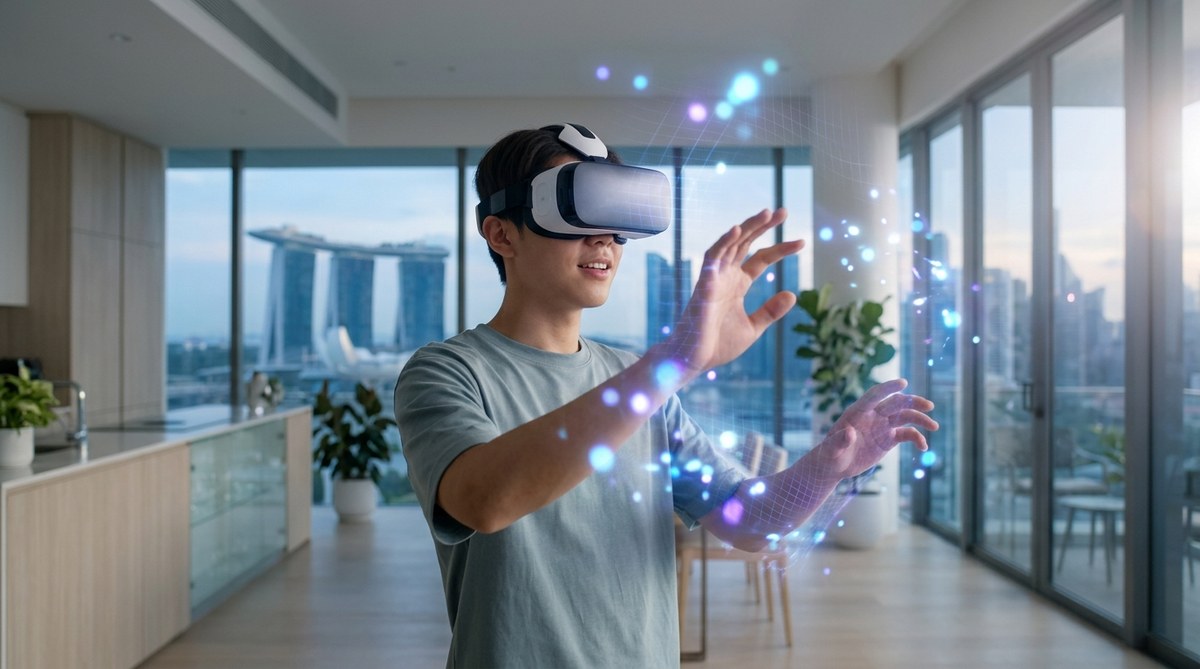
Virtual reality creates a sense of presence that bridges the gap between physical and digital worlds. It allows users to step into environments that feel real, making interactions more natural and engaging. This technological leap is changing the way digital culture develops, influencing everything from social media to education.
Social spaces go beyond screens
Platforms like VRChat and Horizon Worlds have turned social networking into immersive experiences. Instead of just typing or talking through a screen, users can meet in virtual cafes, attend parties, or collaborate on projects. These spaces foster authentic interactions, helping to build communities that feel more genuine.
Creative expression takes new forms
Artists and designers leverage VR to craft immersive artworks that viewers can walk through or interact with. Virtual galleries and art installations provide audiences with experiences that traditional mediums cannot match. This innovation pushes the boundaries of digital art and cultural production.
Education and training in virtual environments
VR offers realistic simulations for learning complex skills. Medical students practice surgeries in virtual hospitals, while history students explore ancient cities firsthand. This approach makes learning more engaging and memorable, shaping how knowledge is shared in the digital age.
Practical Steps to Engage with Virtual Reality’s Cultural Shift
-
Explore VR social platforms
Try out spaces like VRChat to meet people from around the world. These platforms allow you to participate in virtual events, art shows, and casual hangouts that mimic real-world social interactions. -
Support virtual art and experiences
Attend virtual exhibitions or concerts accessible through VR headsets. Supporting these immersive cultural events helps shape a future where digital art is as impactful as physical art. -
Incorporate VR into education or training
If you’re an educator or student, consider integrating VR modules into your curriculum. This hands-on approach can deepen understanding and foster creativity in digital spaces.
Techniques for Successful VR Cultural Engagement
| Technique | What to Do | Common Mistakes |
|---|---|---|
| Authenticity | Participate in genuine interactions | Relying on superficial avatars or ignoring social cues |
| Accessibility | Use user-friendly VR hardware | Overlooking comfort or technical limitations |
| Creativity | Experiment with creating virtual content | Copying existing ideas without originality |
| Community Building | Join niche groups or events | Ignoring diverse perspectives or moderation issues |
“Virtual reality has the power to democratize cultural participation. It removes physical barriers and invites everyone to become creators and contributors in digital spaces.” — Dr. Lisa Chen, digital culture researcher
The Impact of VR on Art, Entertainment, and Beyond
VR is revolutionizing how cultural content is produced and consumed. It offers opportunities for artists to design experiences that captivate audiences differently. Musicians perform in virtual venues, while museums create interactive tours that reach a global audience. This shift fosters a more inclusive and interactive cultural landscape.
Virtual art exhibitions and museums
Traditional museums are expanding into digital realms. Virtual tours allow visitors to explore exhibits from their living rooms. Interactive features enable deeper engagement with artworks, fostering education and appreciation.
Immersive entertainment experiences
VR gaming and storytelling immerse audiences in worlds they can explore freely. Films are being made with 360-degree perspectives, inviting viewers to become part of the story. These innovations elevate entertainment to a new level of emotional and sensory engagement.
Cultural preservation and accessibility
Virtual recreations of historical sites and artifacts ensure that cultural heritage survives beyond physical limitations. They make inaccessible sites available to anyone with a VR headset, broadening public access and learning opportunities.
How to Stay Ahead in the VR-driven Digital Culture
-
Stay curious and open to new experiences
Regularly try different VR platforms and content. This helps you understand emerging trends and participate actively in shaping digital culture. -
Learn basic skills to create VR content
Experiment with simple tools for designing virtual environments or art. Developing these skills can open doors to new creative avenues. -
Connect with communities shaping VR culture
Follow industry leaders, join forums, or attend virtual events to stay informed and contribute to ongoing conversations.
Common pitfalls and how to avoid them
| Mistake | How to Fix It | Impact of Mistake |
|---|---|---|
| Ignoring accessibility | Choose user-friendly hardware and content | Limits participation and growth |
| Copying instead of innovating | Add your unique perspective | Stifles originality and engagement |
| Neglecting social cues | Practice authentic interactions | Creates superficial connections |
Future Horizons in Virtual Cultural Experiences
As VR technology continues to improve, its influence on digital culture will deepen. We can expect more personalized and immersive experiences, greater integration with other digital media, and increased participation from diverse communities.
“The future of VR in culture hinges on accessibility and originality. When everyone can participate and bring their voice, digital culture becomes richer and more vibrant.” — Professor James Lee, digital innovation expert
A Human Touch in a Virtual World
The ongoing evolution of virtual reality is reshaping how we create, share, and experience culture online. It blurs the lines between physical and digital worlds, fostering new communities and artistic expressions. Embracing these changes offers a chance to participate actively in shaping tomorrow’s digital culture.
Whether you’re a tech enthusiast, educator, or student, experimenting with VR can expand your understanding of digital culture’s future. Start by exploring accessible platforms, supporting virtual art, and connecting with like-minded people. The possibilities are vast, and your involvement can help nurture a vibrant, inclusive digital society.
Living in a virtual cultural landscape
Taking small steps today can prepare you for the cultural shifts ahead. As virtual reality becomes more prevalent, it will influence how we communicate, learn, and create. Keep an open mind, stay curious, and enjoy becoming part of this exciting digital frontier.