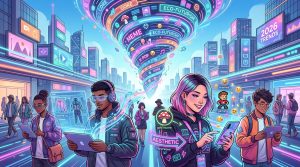
In 2026, logging onto social media feels a lot like walking into a room where everyone is shouting, but nobody is listening. The algorithms are faster, the ads are sneakier, and that dopamine hit you used to get from a like has turned into a dull headache. Across the United States, a quiet exodus is happening. People are not just taking breaks. They are deleting accounts, buying dumb phones, and rediscovering what it means to be present. The question is no longer “Should I quit?” but “Why did it take me so long?”
More people are quitting social media because it damages mental health, steals time, and erodes real connection. By understanding the psychological and practical reasons behind this shift, you can reclaim your focus, reduce anxiety, and build a digital life that serves you instead of draining you.
## The toll of endless scrolling on your mental health
Scrolling was never supposed to feel like a chore. But in 2026, the average American spends nearly three hours a day on social platforms, and a growing body of research links that habit to increased rates of anxiety, depression, and loneliness. A 2025 Pew study found that 64% of teens and 55% of adults say social media makes them feel worse about their own lives. The comparison machine runs nonstop, and it leaves very few people feeling good.
Psychologists call it “social media fatigue.” You keep checking, hoping for something meaningful, but you get a flood of curated perfection, political outrage, and influencer ads. The brain was not built for this. Cal Newport, author of “Digital Minimalism,” puts it plainly:
> “Social media platforms are not neutral tools. They are designed to exploit our psychological vulnerabilities for profit. The moment you understand that, the urge to quit becomes rational, not radical.”
People are quitting because they are tired of feeling bad after every session. They want their peace of mind back.
## The attention economy is stealing your hours
Every platform is fighting for your attention because attention equals money. Notifications, infinite scroll, autoplay video, they are all engineered to keep you inside the app. And it works. In 2026, the average user will spend over 40 days per year on social media. That is more than a month of waking life, given to a corporate algorithm.
When you realize that your time is being monetized, quitting starts to feel like an act of rebellion. You begin to notice the patterns. The way a TikTok rabbit hole can eat two hours before breakfast. The way you open Instagram to send a single message and end up comparing your body to strangers thirty minutes later. The opportunity cost is staggering. Instead of building a skill, reading a book, or spending time with family, you are feeding a machine that does not care about you.
This is why the digital minimalism movement has gained so much traction. People are not just deleting apps. They are reclaiming their schedules. They are saying no to the attention economy.
## The illusion of connection and the reality of loneliness
Social media promised to bring us together. Instead, it has made us more isolated than ever. A 2026 report from the Surgeon General’s office labeled loneliness a public health epidemic, and social media was listed as a contributing factor. The paradox is cruel: the more you connect online, the less you connect offline.
Think about the last time you went to dinner with friends and someone pulled out a phone mid conversation. Or the last time you posted a photo and felt a spike of validation from strangers, but emptiness from the people sitting next to you. That is the tradeoff. Surface level interactions replace deep ones. You have hundreds of “friends” but nobody to call when things get hard.
People are quitting because they crave real intimacy. They want phone calls, not comments. They want coffee dates, not DMs. They are rediscovering that a single hour of face to face conversation is worth more than a thousand likes.
## Privacy erosion and trust breakdown
The Cambridge Analytica scandal was just the beginning. Since then, data breaches have become routine. In 2024, a leak at a major platform exposed the personal information of over 500 million users. In 2025, researchers found that social media apps were harvesting voice data without consent. By 2026, the average person has accepted that their data is not safe, but that acceptance has turned into exhaustion.
People are quitting because they are tired of being the product. When you use a free app, you are not the customer. You are the raw material being sold to advertisers. Every scroll, every pause, every click is recorded and analyzed. It is surveillance dressed up as connection.
The shift toward privacy focused alternatives like Signal or decentralized platforms like Mastodon shows that people want control. But for many, the cleanest solution is to leave altogether. They are opting out of the surveillance economy entirely.
## Four practical steps to quit social media without relapsing
If you are ready to join the quiet revolution, you need a plan. Willpower alone won’t work because the apps are designed to pull you back. Here is a process that actually works for most people:
1. **Audit your digital diet.** List every social app on your phone. Rate how each one makes you feel after using it. Be honest. The apps that get a 1 or 2 out of 5 should be deleted first.
2. **Set a 30 day transition period.** Do not delete everything at once. Pick one platform to abandon for a month. That gives your brain time to adjust without feeling deprived. Track how your mood and productivity change.
3. **Replace scrolling with a hard activity.** The worst mistake is quitting social media without filling the void. Pick a hobby that requires your hands or body: drawing, hiking, cooking, playing an instrument. The goal is to replace passive consumption with active engagement.
4. **Use friction to your advantage.** Change your passwords to random strings and store them in a locked drawer. Uninstall the apps from your phone and only allow access through a desktop browser. The extra effort to log in will kill the impulse.
5. **Join an offline community.** Whether it is a book club, a running group, or a volunteer organization, find people who meet in person. Social media is a substitute for community. If you have the real thing, you won’t miss the fake one.
## Common mistakes people make when quitting (and how to avoid them)
| Mistake | Why it backfires | Better approach |
|———|——————|——————|
| Going cold turkey on all platforms at once | Creates withdrawal, anxiety, and a high chance of relapse | Quit one platform at a time over several weeks |
| Announcing your departure publicly | Invites pressure to stay, and feeds the ego validation loop | Just quietly delete the account |
| Keeping the apps “just in case” | The temptation is always a tap away | Delete entirely; you can recreate later if needed |
| Not replacing the time | Boredom leads straight back to reinstallation | Schedule concrete activities in the newly freed slots |
## How to stay off social media for good
Once you have taken the leap, maintaining a social media free life requires some new habits. Here are a few that have worked for thousands of people:
– **Keep a dumb phone or use grayscale mode.** Making your phone boring reduces the urge to pick it up. Many people swear by the Light Phone or a flip phone for weekends.
– **Create a “why” statement.** Write down the reason you quit and tape it to your monitor. When loneliness or FOMO creeps in, read it out loud.
– **Use RSS feeds or newsletters.** You can stay informed about topics you care about without the noise of comments and algorithms.
– **Schedule analog social time.** Plan weekly dinners, walks, or game nights with friends. The more your social needs are met offline, the less appealing online spaces become.
If you struggle with the urge to redownload, try a 24 hour rule before reinstalling. Wait a full day. Most likely the impulse will pass.
## What you gain when you let go
The other side of quitting is not empty. It is full. People who walk away from social media report better sleep, deeper relationships, more focus, and a stronger sense of self. They stop measuring their worth by numbers. They start living by their own values.
You will not miss the doomscrolling. You will not miss the ads disguised as posts. You will not miss the pressure to perform. What you will gain is time, real connection, and peace of mind.
The digital minimalism movement is not about rejecting technology. It is about choosing which parts of technology deserve a place in your life. Social media, with its addictive design and its toll on mental health, is falling out of favor for good reason.
If you are feeling overwhelmed, you are not alone. The quiet rise of digital minimalism is proof that millions of people have already chosen a different path. You can too. Start small. Delete one app. Take a walk. Call a friend. See how it feels. You might just decide never to go back.