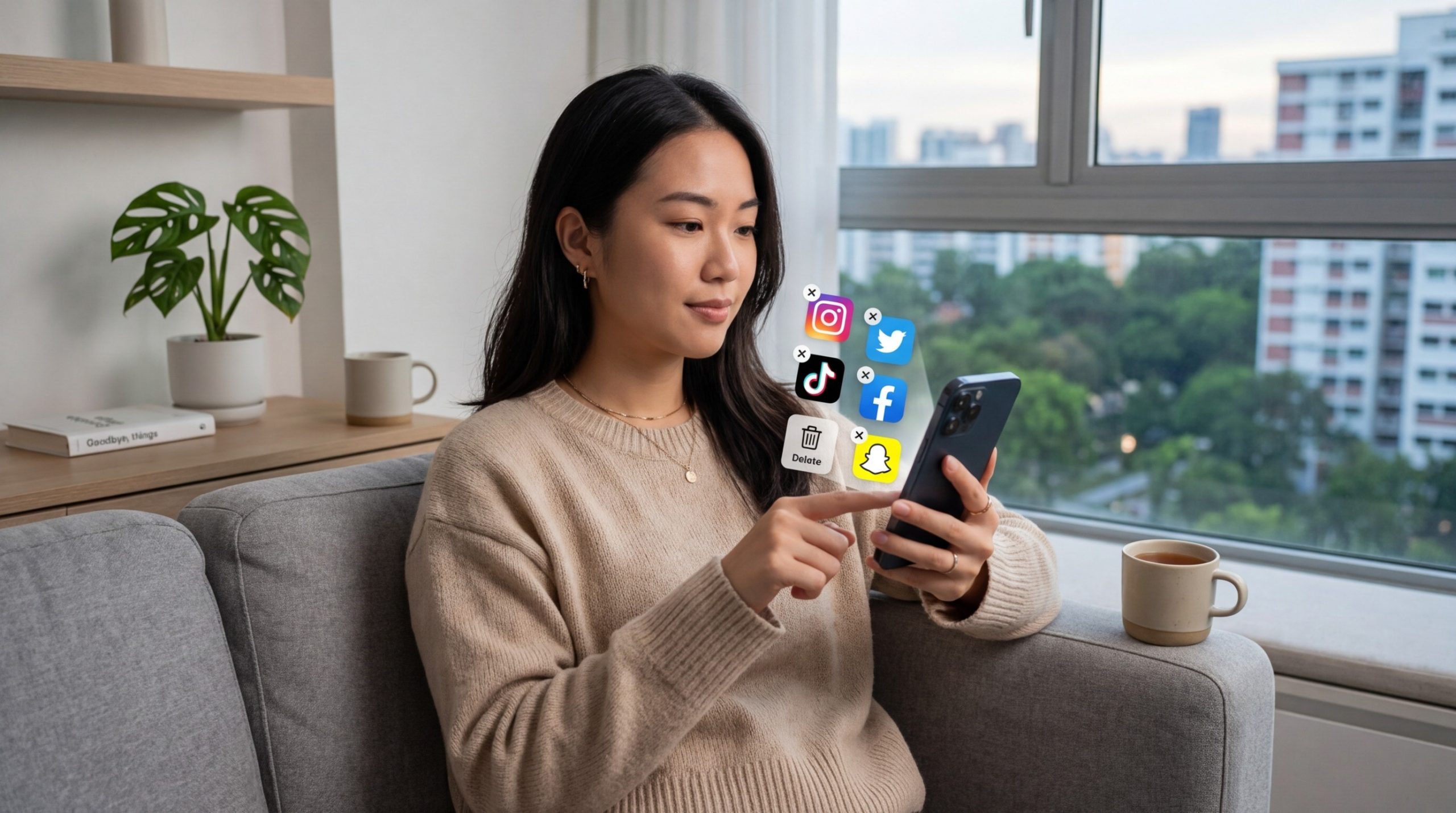
Social media was supposed to connect us. Instead, it’s burning people out. A growing number of Gen Z users are hitting delete on apps they once couldn’t live without. They’re not just taking breaks. They’re walking away entirely.
Gen Z is abandoning social media platforms due to mental health concerns, privacy issues, and algorithm fatigue. This shift toward digital minimalism reflects a broader cultural change where young people prioritize real-world connections, productivity, and authenticity over curated online personas. The trend is reshaping how brands, educators, and parents approach digital engagement with younger generations.
The numbers tell a different story than you’d expect
Recent surveys show something surprising. Nearly 40% of Gen Z users have deleted at least one major social media app in the past year. That’s not a small blip. That’s a movement.
Instagram, TikTok, and Twitter (now X) are seeing the biggest exits. The platforms that once dominated screen time are losing their grip. Young people are choosing to opt out rather than scroll endlessly.
The reasons go deeper than just boredom. Mental health professionals have noticed a pattern. Anxiety and depression rates among heavy social media users are significantly higher than those who limit their usage. Gen Z noticed this connection before many researchers did.
Mental health is the breaking point
Constant comparison wears people down. Seeing highlight reels of other people’s lives creates unrealistic expectations. You wake up, check Instagram, and immediately feel behind. Your friends seem happier. Their vacations look better. Their relationships appear perfect.
Except none of it’s real. Everyone knows this intellectually. But emotionally? The damage still happens.
Gen Z grew up with social media. They’ve watched it evolve from a fun way to share photos into an attention economy that profits from keeping users hooked. They see through the manipulation tactics now.
Sleep disruption is another major factor. The blue light, the endless scroll, the fear of missing out. All of it keeps people awake when they should be resting. Students report checking their phones an average of 96 times per day. That’s once every 10 minutes during waking hours.
The mental load is exhausting. Notifications create a state of constant alertness. Your brain never fully relaxes. Even when you’re not actively using the apps, you’re thinking about them.
Privacy concerns hit differently for digital natives
Gen Z understands data collection in ways previous generations don’t. They’ve grown up hearing about Cambridge Analytica, targeted advertising, and algorithm manipulation. They know their data is being sold.
What changed is the willingness to accept it. Older users might shrug and say “that’s just how it works now.” Gen Z is saying “no thanks” instead.
Here are the privacy issues pushing people away:
- Facial recognition technology tracking users without clear consent
- Location data being sold to third-party companies
- Private messages being scanned for advertising purposes
- Personal information being used to train AI models
- Constant surveillance of browsing habits across multiple platforms
The creepiness factor matters. When you talk about needing new shoes and immediately see shoe ads, it feels invasive. Gen Z is tired of being the product.
Algorithm fatigue is real
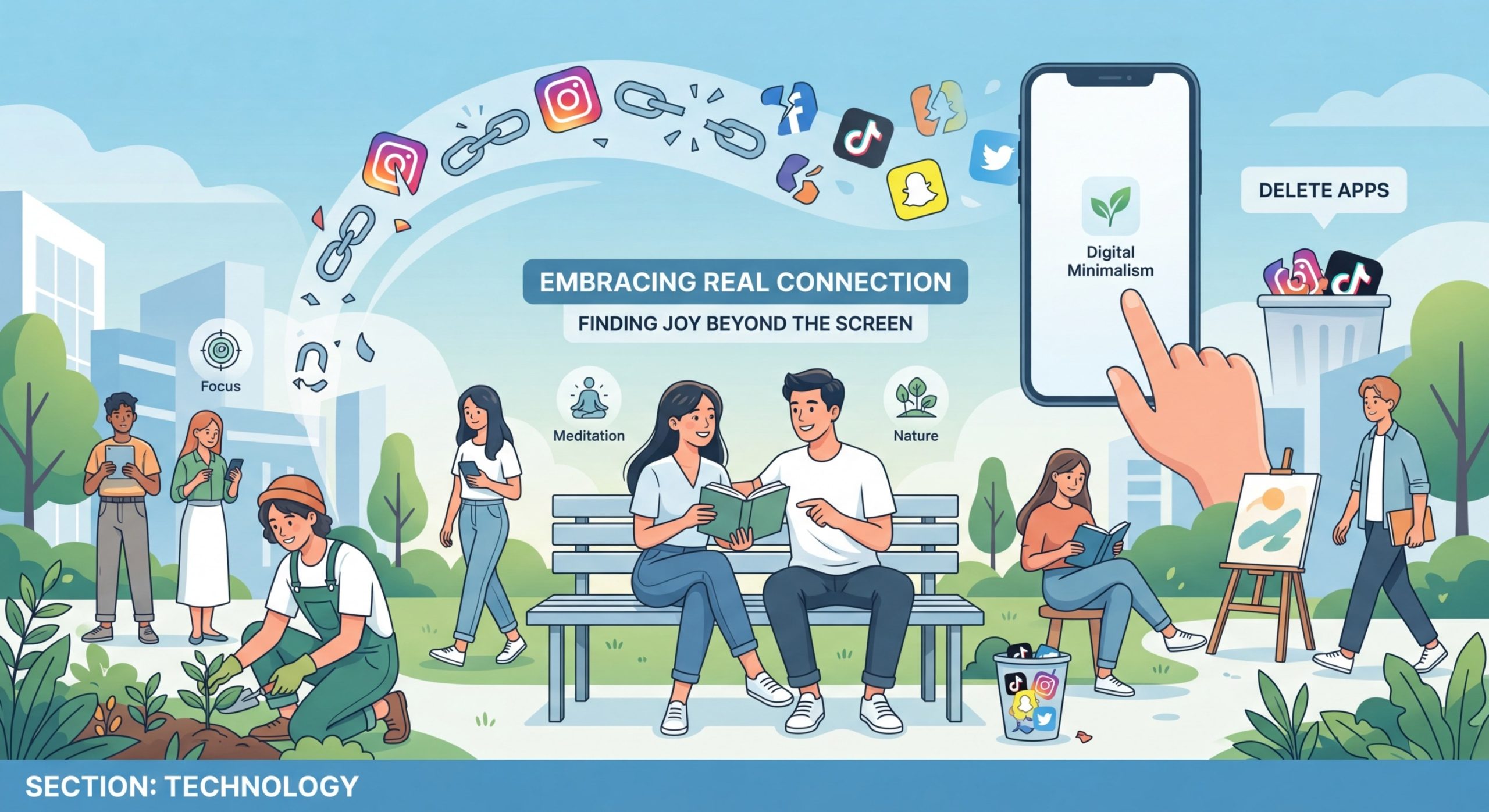
The algorithm knows what keeps you scrolling. It feeds you content designed to trigger emotional responses. Outrage performs well. So does envy. So does fear.
Gen Z users are noticing they’re being fed increasingly extreme content. The algorithm doesn’t care about your wellbeing. It cares about engagement metrics.
One college student described it perfectly: “I went on TikTok to watch funny videos. Six months later, my feed was full of content that made me anxious about everything. My career, my body, my relationships. I didn’t sign up for that.”
The constant content churn creates decision fatigue. Should you watch this video or that one? Should you engage with this post? The mental energy required adds up throughout the day.
The authenticity problem nobody talks about
Performing for an audience gets exhausting. Every photo needs the right filter. Every caption needs to be clever. Every story needs to show you’re living your best life.
Except you’re not. You’re stressed about finals, worried about money, dealing with relationship drama. But none of that fits the personal brand you’ve built online.
Gen Z is rejecting this performative culture. They want real connections, not curated ones. They’re choosing group chats with close friends over public posts for hundreds of followers.
The pressure to maintain an online presence feels like unpaid labor. Content creation, engagement, staying relevant. It’s a second job nobody asked for.
What quitting actually looks like
Leaving social media isn’t always permanent. Many Gen Z users follow a pattern that looks like this:
- Delete the most time-consuming app (usually TikTok or Instagram)
- Keep messaging apps for staying in touch with friends
- Experience withdrawal symptoms for the first few days
- Notice improved focus and sleep after the first week
- Occasionally reinstall the app, then delete it again within days
- Eventually replace social media time with other activities
The process isn’t linear. People backslide. They reinstall apps during moments of boredom or stress. But the overall trend is toward less usage, not more.
Some users take a middle path. They keep accounts but delete the apps from their phones. This creates friction. You can still access social media through a browser, but it’s intentional rather than habitual.
The productivity awakening
Time tracking reveals uncomfortable truths. The average person spends over two hours daily on social media. That’s 730 hours per year. Over a decade, that’s 7,300 hours spent scrolling.
Gen Z is doing the math. They’re asking what else they could accomplish with that time. Learn a language? Develop a skill? Actually read books instead of just buying them?
The productivity gains after quitting are immediate and noticeable. Students report better grades. Workers report completing projects faster. The ability to focus returns gradually.
“I thought I’d be bored without Instagram. Instead, I rediscovered hobbies I’d abandoned. I started reading again, picked up my guitar, actually called my friends instead of just liking their posts. My life got bigger, not smaller.” – Former daily Instagram user, age 24
How different platforms are losing users
| Platform | Primary Reason for Quitting | Secondary Concern | Typical User Action |
|---|---|---|---|
| Comparison anxiety | Algorithm manipulation | Delete app, keep account | |
| TikTok | Time sink | Privacy concerns | Full account deletion |
| Twitter/X | Toxic environment | Misinformation spread | Deactivate permanently |
| Irrelevance to age group | Privacy issues | Abandon without deleting | |
| Snapchat | Decreased friend usage | Feature bloat | Gradual disengagement |
The patterns vary by platform. Instagram users often keep their accounts as digital photo albums but remove the app. TikTok users tend to go all in or all out. Twitter quitters cite the increasingly hostile environment as the final straw.
Parents and educators are noticing
Teachers report better classroom engagement when students limit social media. The constant phone checking decreases. Attention spans improve. Discussions go deeper.
Parents see changes at home too. Family dinners happen without phones on the table. Conversations replace silence. Teenagers seem more present.
Schools are responding by creating phone-free zones. Some require students to lock devices in pouches during class. The initial resistance fades when students notice they can actually concentrate.
Youth counselors are encouraging social media breaks as part of mental health treatment. The results often surprise both the counselors and the patients. Anxiety levels drop. Sleep improves. Mood stabilizes.
The social pressure to stay connected
Quitting isn’t easy when everyone else is still on the platforms. You miss inside jokes. You’re not invited to events posted only on Facebook. You feel out of the loop.
This social cost is real. Some friendships fade when you’re no longer liking posts and commenting regularly. The algorithm stops showing your content to others. You become less visible.
But something interesting happens. The friendships that survive are stronger. The people who actually care will text you directly. They’ll call. They’ll make plans in person.
Quality replaces quantity. Five real friends beat 500 followers.
Digital minimalism as a lifestyle choice
The movement extends beyond just deleting apps. Gen Z is rethinking their entire relationship with technology. They’re asking harder questions about what adds value and what just adds noise.
Some adopt specific rules:
- No phones in the bedroom
- Social media only on weekends
- One hour maximum daily screen time
- Airplane mode during work or study sessions
- Notification-free mornings
These boundaries create space for other priorities. Hobbies return. Reading increases. Face-to-face socializing makes a comeback.
The goal isn’t to reject technology entirely. It’s to use it intentionally rather than compulsively. Tools should serve you, not the other way around.
What this means for everyone else
Millennials are watching Gen Z and reconsidering their own habits. If digital natives are stepping back, maybe there’s something to it.
Brands are scrambling to adapt. Traditional social media marketing loses effectiveness when your target audience isn’t on the platforms. Companies are experimenting with email newsletters, community forums, and in-person events.
The shift creates opportunities. Alternative platforms focused on privacy and wellbeing are gaining traction. Apps that limit usage rather than maximize it are finding audiences.
Mental health professionals are validating what Gen Z already knew. Social media isn’t neutral. It shapes how we think, feel, and relate to others. Sometimes the healthiest choice is to opt out.
Building a life beyond the scroll
Quitting social media opens up possibilities. Boredom becomes a feature, not a bug. Those empty moments spark creativity. Your mind wanders. Ideas form.
Relationships deepen when you’re not performing for an audience. Conversations happen without the urge to document them. Experiences feel more vivid when you’re fully present.
The fear of missing out transforms into the joy of missing out. You’re not seeing what everyone else is doing, and that’s okay. You’re focused on your own life instead of comparing it to others.
This doesn’t mean isolation. It means choosing connection over consumption. Texting a friend instead of scrolling their feed. Meeting for coffee instead of liking their posts. Being there instead of just being online.
The trend isn’t going away. As more Gen Z users quit, they create permission for others to do the same. The social pressure that kept people on platforms now works in reverse.
Your attention is valuable. Your mental health matters. Your time is finite. Gen Z is choosing to spend all three on things that actually enrich their lives. The rest of us might want to pay attention.