Social interactions online are evolving at a rapid pace. New technologies are emerging that promise to change how we connect, share, and experience digital communities. In 2026, several breakthroughs are set to redefine the landscape of social engagement. From immersive virtual worlds to AI-powered companions, these innovations will make online interactions more authentic, personalized, and engaging than ever before. Stay ahead of the curve by understanding what’s on the horizon and how these technologies will shape your digital life.
2026 will see a surge in social interaction technologies that create immersive, personalized digital experiences. From virtual reality to AI-driven social bots, these innovations will change how we build relationships online, making interactions more genuine and engaging in ways never before possible.
How virtual and augmented reality are creating new social spaces
Virtual reality (VR) and augmented reality (AR) are no longer just for gamers or tech enthusiasts. In 2026, these tools are becoming mainstream platforms for social interaction. Companies are developing virtual worlds that mimic real-life environments, allowing users to meet, collaborate, and socialize in 3D spaces from their living rooms.
Imagine attending a concert with friends who are miles away or exploring a virtual beachside cafe together. Platforms like Meta Horizon Worlds and Decentraland are expanding their social features. They enable users to create personalized avatars, attend events, and even host private gatherings with high levels of realism.
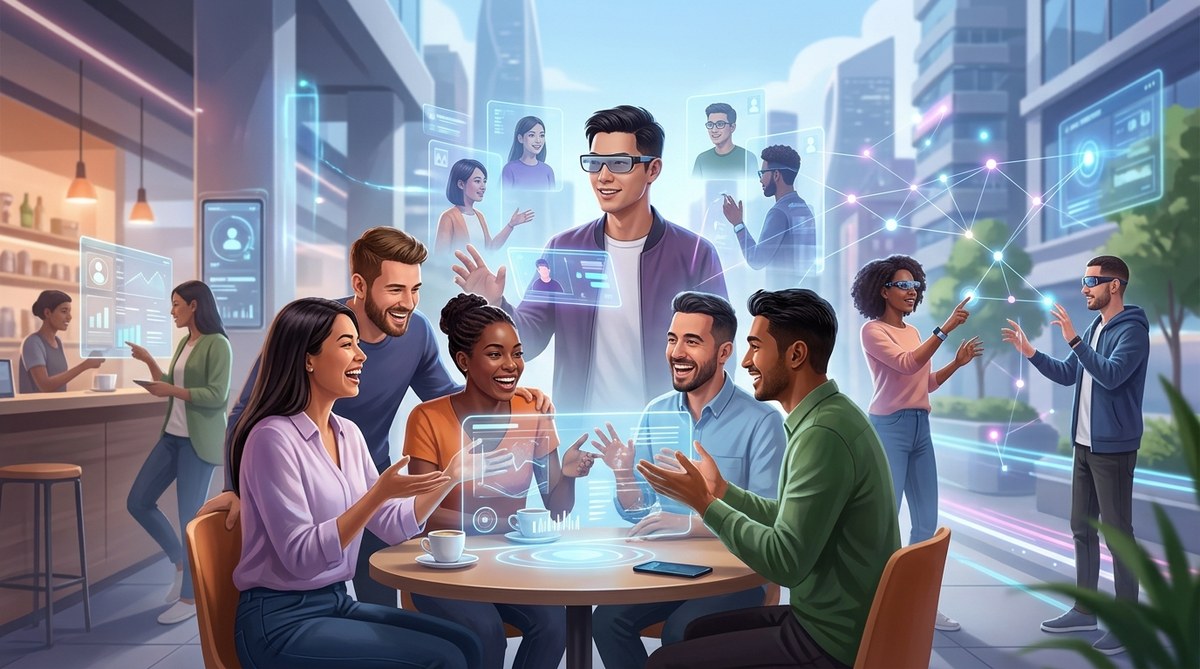
AR glasses are also gaining popularity, overlaying digital elements onto the physical world. This means friends can see each other’s digital avatars floating nearby or share interactive AR experiences during walks or outdoor meetups. This blending of digital and physical worlds enriches social interactions, making them more vivid and memorable.
“Virtual and augmented reality are making it possible to feel truly present with others, even when separated by thousands of miles,” says tech analyst Jamie Lee. This creates a sense of closeness that surpasses traditional video calls.
The rise of AI-powered social companions and communities
AI is transforming online social spaces by introducing intelligent bots and digital companions that can converse, entertain, and even offer emotional support. In 2026, these AI entities are becoming more sophisticated, often indistinguishable from real people.
Think of AI friends that learn your preferences, remember your stories, and adapt their responses to match your mood. Some platforms are integrating these companions into social networks, where they act as moderators, conversation starters, or even co-creators of content.
Moreover, AI-driven communities are emerging where users interact with virtual personas representing shared interests or causes. These digital communities operate 24/7, facilitating ongoing engagement without fatigue.
You could find yourself chatting with a virtual book club host who recommends new titles based on your reading habits or joining a mental health support group led by empathetic AI facilitators. These tools help foster genuine connections, especially for those who find traditional social settings challenging.
Practical steps to leverage emerging social interaction technologies
- Explore virtual worlds: Sign up for platforms like Somnium Space or Roblox to attend events or meet new friends in immersive environments.
- Use AR for social outings: Invest in AR glasses or apps that enable shared digital experiences during outdoor activities or casual meetups.
- Engage with AI companions: Try AI chatbots or virtual friends designed to improve mental well-being or facilitate creative collaborations.
- Create personalized avatars: Customize your digital persona across various platforms to express yourself authentically.
- Join AI-facilitated communities: Participate in digital groups moderated or led by AI to find like-minded individuals or support networks.
Common pitfalls and how to avoid them
| Technique | Mistake |
|---|---|
| Over-reliance on AI bots | Ignoring genuine human connections |
| Ignoring privacy settings | Exposing personal data in immersive spaces |
| Neglecting digital boundaries | Spending excessive time in virtual worlds |
| Using AR without awareness of surroundings | Distraction or safety risks |
| Failing to verify AI authenticity | Falling for fake personas or misinformation |
Fostering a healthy balance between virtual and real interactions is vital. While these emerging technologies offer exciting ways to connect, they should complement, not replace, authentic human relationships.
Expert insights on social tech in 2026
“The key to thriving in this new era of online social interactions is embracing these tools thoughtfully,” advises digital futurist Alex Morgan. “They open doors to experiences that deepen bonds and expand horizons, but users must remain mindful of their digital boundaries.”
The future of online socialization in the age of innovation
As 2026 unfolds, the way we connect online will become more immersive, intelligent, and personalized. These emerging social interaction technologies will break down geographical and social barriers, making digital spaces feel more like real-world environments. Whether through virtual reality meetups, AI companions, or augmented reality overlays, the goal is to foster genuine, meaningful relationships in the digital realm.
To navigate this exciting landscape, start small. Experiment with new platforms, set boundaries around your virtual time, and prioritize authentic interactions. By doing so, you’ll not only stay connected in innovative ways but also build relationships that enrich your life.
In the end, these technological advances offer a chance to redefine what it means to connect in the digital age. Use them thoughtfully, and they can help forge stronger, more vibrant online communities in 2026 and beyond.