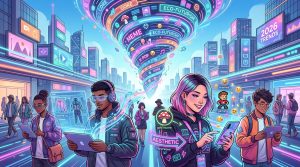
In 2026, the online world is shifting toward something more genuine. Audiences crave authenticity more than ever. They want to see real stories, honest voices, and brands that don’t hide behind facades. The rise of digital authenticity is transforming how content is created, shared, and perceived. This movement isn’t just a trend. It’s a fundamental change in online culture that every marketer and content creator should understand.
Digital authenticity in 2026 is about building trust through real stories, transparent communication, and genuine engagement. Brands that prioritize honesty will connect deeper with audiences and stand out in the crowded digital space.
What digital authenticity really means in 2026
At its core, digital authenticity is about being truthful and transparent online. It’s no longer enough for brands to showcase polished, perfect images. People want to see the real side of brands and creators. They want stories that reflect real experiences, struggles, and successes.
This shift is driven by a few key factors:
– Social media users are more skeptical of curated content.
– Younger audiences value transparency and honesty in brand interactions.
– Advances in technology make it easier to verify authenticity or spot inauthenticity.
– The cultural climate favors vulnerability over perfection.
In 2026, authenticity isn’t just a nice-to-have; it’s a requirement for meaningful engagement.
How real stories are reshaping online culture
Real stories have the power to forge emotional connections. They humanize brands and creators, making them more relatable. This is why user-generated content, behind-the-scenes footage, and raw narratives are thriving.
Why storytelling feels more vital than ever
Authentic storytelling taps into shared experiences. Whether it’s a brand sharing a founder’s journey or a creator revealing their daily struggles, these stories foster trust. Audiences see the person behind the brand, not just a logo.
Examples of authenticity in action
- Brands sharing honest reviews or customer stories instead of scripted ads.
- Influencers showing their real lives, including mistakes and vulnerabilities.
- Companies highlighting their sustainability efforts transparently, including setbacks.
The impact on online culture
This focus on genuine stories is creating a more empathetic online environment. People are more inclined to support brands and creators they believe are truthful. It’s also leading to a rise in niche communities that celebrate authenticity, like micro-influencers or local storytellers.
Practical ways to harness digital authenticity
Building digital authenticity requires intentional effort. Here are three steps to integrate genuine storytelling into your strategy:
-
Listen and learn from your community
Pay attention to what your audience cares about. Use social listening tools to identify trending topics and concerns. Engage in conversations to understand their perspectives. -
Share raw, unfiltered content
Post behind-the-scenes footage, candid photos, or honest testimonials. Show the human side of your brand, including failures and lessons learned. -
Be transparent about your journey
Communicate openly about your brand’s values, challenges, and progress. Admit mistakes and share how you’re addressing them. Authenticity is about consistency and honesty over time.
Techniques and mistakes table
| Techniques | Mistakes to Avoid |
|---|---|
| Sharing behind-the-scenes moments | Over-curating content to appear “authentic” |
| Highlighting customer stories | Ignoring negative feedback or comments |
| Being transparent about challenges | Faking vulnerability or oversharing personal details |
| Consistent voice and messaging | Inconsistent messaging that confuses audiences |
The role of technology in authentic storytelling
New tools are making it easier to communicate authentically. From live videos to AI-driven personalization, technology helps brands stay genuine while scaling their reach.
“Authenticity is now amplified through real-time interactions and personalized content that reflects individual experiences,” says digital strategist Laura Chen.
How AI and data are supporting authenticity
- AI can tailor messages to resonate with specific audiences without sounding generic.
- Real-time analytics reveal what content truly engages viewers.
- Video and live streaming tools enable spontaneous, unpolished interactions.
Avoiding pitfalls with tech
While tech can boost authenticity, it can also backfire if misused. Relying on heavily scripted AI-generated content or ignoring audience feedback can erode trust. Use these tools to enhance transparency, not hide it.
Why digital authenticity will shape online culture in 2026
Authenticity influences every part of the digital landscape. It shapes consumer expectations, content trends, and brand reputation. The most successful brands are those that foster honest conversations and show their true selves.
- Audiences prioritize brands that are transparent about their values and practices.
- Content that features real people and real stories gets more engagement.
- Viral moments often stem from genuine, relatable experiences.
As a result, digital authenticity is no longer optional. It’s a strategic imperative for connecting authentically in a noisy world.
Final thoughts: making authenticity your digital signature
Taking steps toward genuine storytelling can transform your online presence. Focus on building trust through honesty and consistency. Share stories that reflect your true values, admit mistakes, and listen to your community.
In an era where information flows instantly, authenticity is your most valuable asset. Use it to build relationships rooted in trust and understanding. With intentional effort, your brand can become a beacon of realness in the digital space.
Authenticity as a lasting online legacy
The move toward digital authenticity in 2026 is about more than marketing. It’s about creating a culture where honesty and real stories thrive. This approach not only boosts engagement but also builds loyalty that lasts.
By fostering transparency and sharing genuine stories, brands and creators can forge deeper bonds with their audiences. Ultimately, authenticity helps you stand out, earn trust, and shape a positive digital culture that values realness over perfection.
Incorporate these principles into your strategies today, and watch your online community grow stronger and more engaged. Authenticity isn’t just a trend; it’s the foundation of the future digital landscape.