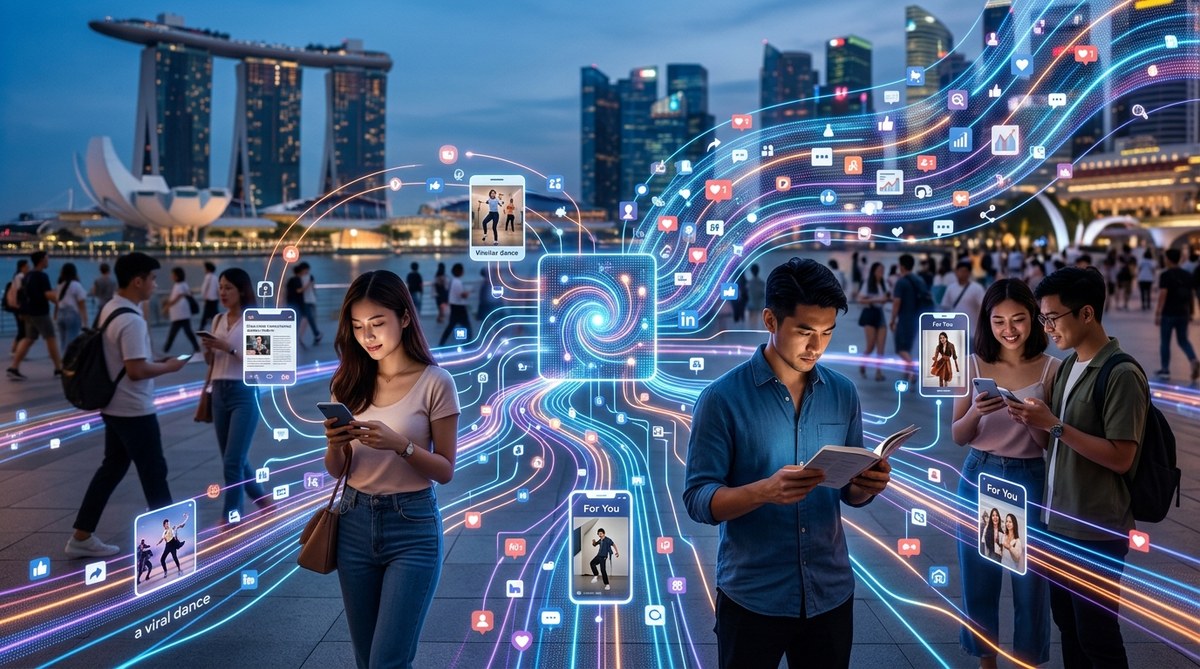
Social media algorithms are more than just behind-the-scenes tech—they are powerful forces shaping modern culture. They decide what content you see, influence your opinions, and even affect societal norms over time. As these algorithms become more sophisticated, their impact on culture grows deeper and more complex. This article explores how social media algorithms impact culture, the ways they influence behaviors, and what this means for society today.
Social media algorithms drive what content we engage with, subtly shaping societal norms, influencing beliefs, and altering cultural conversations. Understanding their impact helps us navigate and question the digital influences on our lives.
How social media algorithms influence societal norms
Social media platforms use complex algorithms to personalize content feeds. These algorithms analyze your past interactions, preferences, and behaviors to decide what to show you. Over time, this creates a tailored digital environment that can reinforce existing beliefs and behaviors. As users spend hours scrolling, their perceptions of what’s normal or acceptable are gradually shaped by the content they consume.
In essence, algorithms act as gatekeepers, curating information in ways that influence societal norms. For example, if an algorithm favors content celebrating certain beauty standards, it can normalize those ideals across large audiences. Similarly, politically charged content can polarize opinions or reinforce echo chambers, impacting societal discourse.
The mechanics behind social media algorithms and their cultural impact
Algorithms rely on a mix of techniques designed to maximize engagement. They track what users like, share, comment on, or watch repeatedly. Based on this data, they promote similar content to keep users hooked. Here are some techniques they employ:
- Content amplification: Algorithms favor posts with high engagement, making certain ideas or trends go viral.
- Emotion-driven promotion: Content that evokes strong emotions like anger, joy, or fear is often prioritized.
- Niche targeting: Algorithms identify niche interests and serve tailored content, helping subcultures flourish.
- Reinforcement loops: Once a user interacts with a specific type of content, the algorithm feeds more of the same, deepening beliefs and preferences.
While these techniques boost user engagement, they can also create cultural bubbles—spaces where only certain perspectives are visible. This can influence societal norms by promoting specific narratives and excluding others.
| Technique | Purpose | Potential mistake |
|---|---|---|
| Content amplification | Increase virality | Over-promoting controversial or misleading content |
| Emotion-driven promotion | Drive engagement | Amplifying fear or hate speech |
| Niche targeting | Serve relevant content | Reinforcing stereotypes or biases |
| Reinforcement loops | Retain user attention | Creating echo chambers that limit diversity |
Dr. Jane Smith, a media researcher, notes, “Algorithms are programmed to maximize time on platform, but in doing so, they shape cultural values and perceptions in ways users often don’t realize.”
How social media algorithms impact individual behaviors and broader culture
The influence of algorithms extends beyond content visibility. They shape individual behaviors, which collectively impact culture:
- Normalization of trends: Viral challenges or memes can become part of mainstream culture quickly.
- Consumer habits: Targeted ads and influencer promotions influence purchasing decisions and lifestyle choices.
- Social attitudes: Repeated exposure to certain narratives can shift opinions on social issues, sometimes polarizing communities.
- Mental health effects: Algorithms often promote highly curated content, leading to comparisons, FOMO, or feelings of inadequacy.
For example, the rise of diet culture on platforms like TikTok can be traced back to algorithmic promotion of health and fitness content. Over time, this shapes societal attitudes towards body image and health norms.
Practical steps to understand and mitigate social media’s cultural influence
If you’re curious about minimizing unwanted influences, consider these strategies:
- Audit your feed regularly to identify content that reinforces stereotypes or negative behaviors.
- Diversify your inputs by intentionally following accounts from different cultures, perspectives, or viewpoints.
- Limit screen time to prevent algorithms from overly shaping your perceptions.
- Use tools and settings to adjust your feed preferences or reduce algorithmic personalization.
- Stay critical of viral content, asking questions about its origins and potential biases.
- Engage consciously with content that promotes positive and inclusive messages.
By actively managing your social media experience, you can foster a healthier relationship with digital platforms and challenge the cultural norms they promote.
How platforms can address the cultural impact of their algorithms
Social media companies are recognizing the need to balance engagement with societal responsibility. Some initiatives include:
- Implementing transparency about how algorithms work.
- Promoting content from diverse sources.
- Reducing the spread of misinformation.
- Encouraging digital literacy among users.
- Developing algorithms that prioritize well-being over virality.
For users, understanding these efforts can motivate more mindful consumption and advocacy for platforms to prioritize societal good.
Navigating the future of social media and culture
As social media algorithms evolve, their influence on culture will deepen. Technologies like AI are making personalization more precise, raising questions about free will and societal diversity. Platforms may also experiment with algorithmic designs that promote healthier interactions and diverse viewpoints.
Remaining aware of these shifts allows users to stay conscious of how their digital environment shapes their worldview. Cultivating media literacy and critical thinking is essential in a landscape where algorithms silently mold society.
Final thoughts on shaping a conscious digital culture
Understanding how social media algorithms impact culture empowers us to make more intentional choices online. By recognizing their influence, we can seek out diverse perspectives, challenge echo chambers, and foster a more inclusive society. Remember, algorithms are tools that reflect and amplify human behaviors. Using them wisely starts with awareness and active engagement. Take control of your digital experience, and encourage platforms to prioritize cultural well-being alongside engagement.
Remember: Staying informed about how algorithms work is the first step toward shaping a digital culture that aligns with your values. By critically engaging with content and questioning the narratives presented, you can help foster a more balanced and inclusive online environment for yourself and others.