
You upload a video. Hours pass. Maybe a few views trickle in, maybe none. Meanwhile, someone else posts similar content and hits 100,000 views in a day. The difference isn’t luck. It’s understanding how YouTube decides what to show its 2 billion monthly users.
YouTube’s algorithm prioritizes videos that keep viewers watching longer and clicking more. It analyzes watch time, click-through rates, engagement signals, and viewer satisfaction to recommend content. Success requires optimizing thumbnails, titles, retention hooks, and understanding how the platform surfaces videos through homepage, search, and suggested video feeds. The system rewards creators who consistently deliver content that matches viewer intent and keeps people on the platform.
Understanding the recommendation engine
YouTube doesn’t have one algorithm. It has several systems working together, each serving different parts of the platform.
The homepage algorithm predicts what you want to watch based on your history. Search results rank videos by relevance and performance. Suggested videos appear next to what you’re currently watching. Each system uses different signals, but they all share one goal: keeping you watching.
The platform makes over 200 million predictions per second. Every time someone opens the app or website, the algorithm evaluates thousands of videos to pick the best candidates. It considers your watch history, search patterns, engagement behavior, and even time of day.
Performance varies by traffic source. A video that dominates search might flop on the homepage. Another might thrive in suggested videos but never rank for keywords. Successful creators optimize for all three.
The signals that actually matter
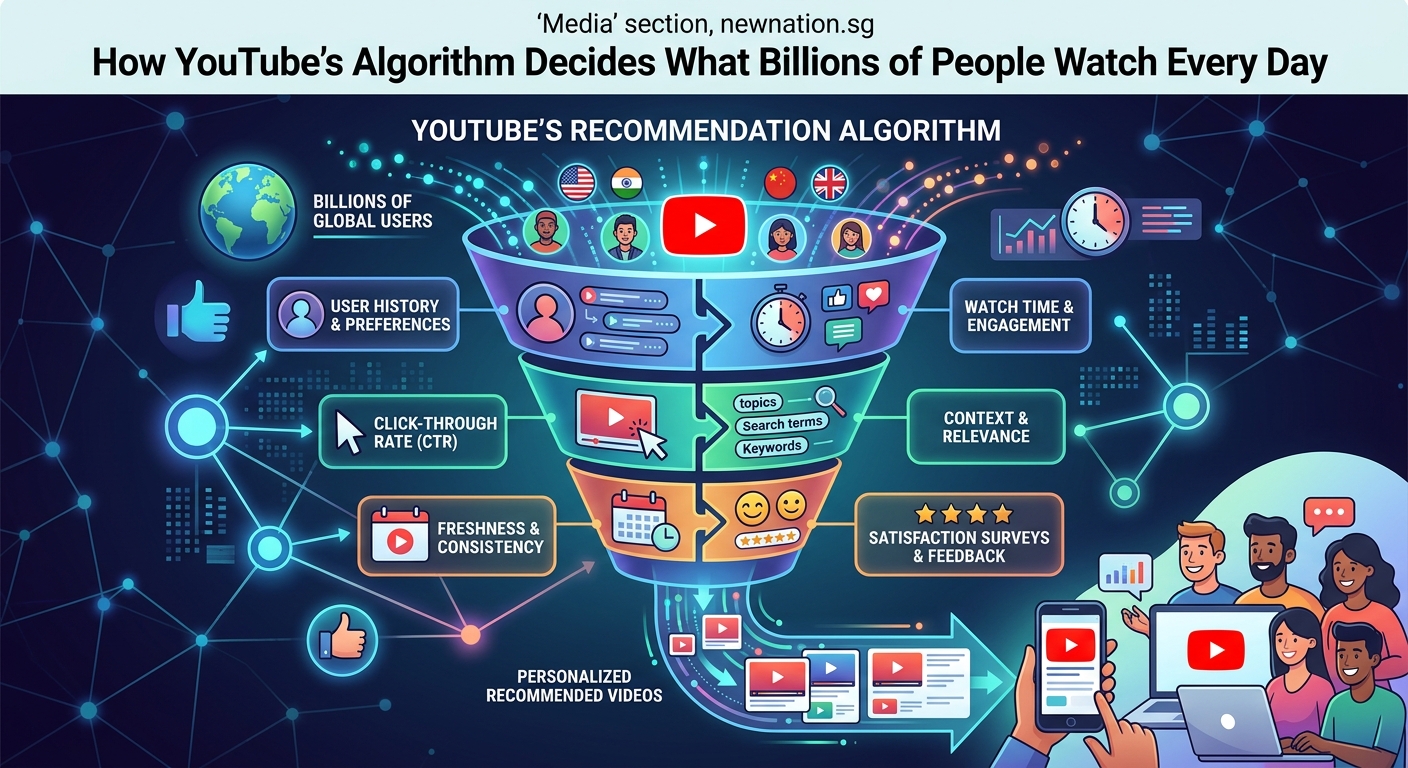
YouTube tracks hundreds of metrics, but a few carry most of the weight.
Watch time sits at the top. Not just how long your video is, but how much of it people actually watch. A 10-minute video where viewers watch 8 minutes beats a 15-minute video where they watch 5 minutes.
Click-through rate measures how often people click when they see your thumbnail. The algorithm shows your video to a small test audience first. If enough people click, it expands distribution. If they scroll past, your reach stays limited.
Engagement signals include likes, comments, shares, and saves. These tell YouTube that viewers found value. A like is good. A comment is better. A share to a friend is gold.
Session time tracks how long viewers stay on YouTube after watching your video. If they watch your video then leave the platform, that’s a negative signal. If they watch your video then binge five more, you just helped YouTube keep that user engaged.
Focus on the first 30 seconds of your video. If viewers leave before then, the algorithm assumes your content didn’t match their expectations and limits distribution.
How different traffic sources work
Each section of YouTube operates differently.
Homepage recommendations favor channels you already watch and topics you engage with regularly. New creators struggle here because the algorithm needs historical data. It takes time to build enough watch history for YouTube to confidently recommend your content to cold audiences.
Search results prioritize videos that match query intent and demonstrate strong performance for that keyword. Title and description metadata matter here. So does your video’s click-through rate and watch time specifically from search traffic.
Suggested videos appear beside and after other content. These recommendations analyze what viewers typically watch next. If people who watch cooking videos often watch meal prep content afterward, YouTube connects those topics. Your job is creating content that naturally follows popular videos in your niche.
Subscription feed shows your uploads to subscribers, but only if they regularly watch your content. Inactive subscribers might never see your new videos. The algorithm assumes their interests have changed.
Optimizing for maximum reach
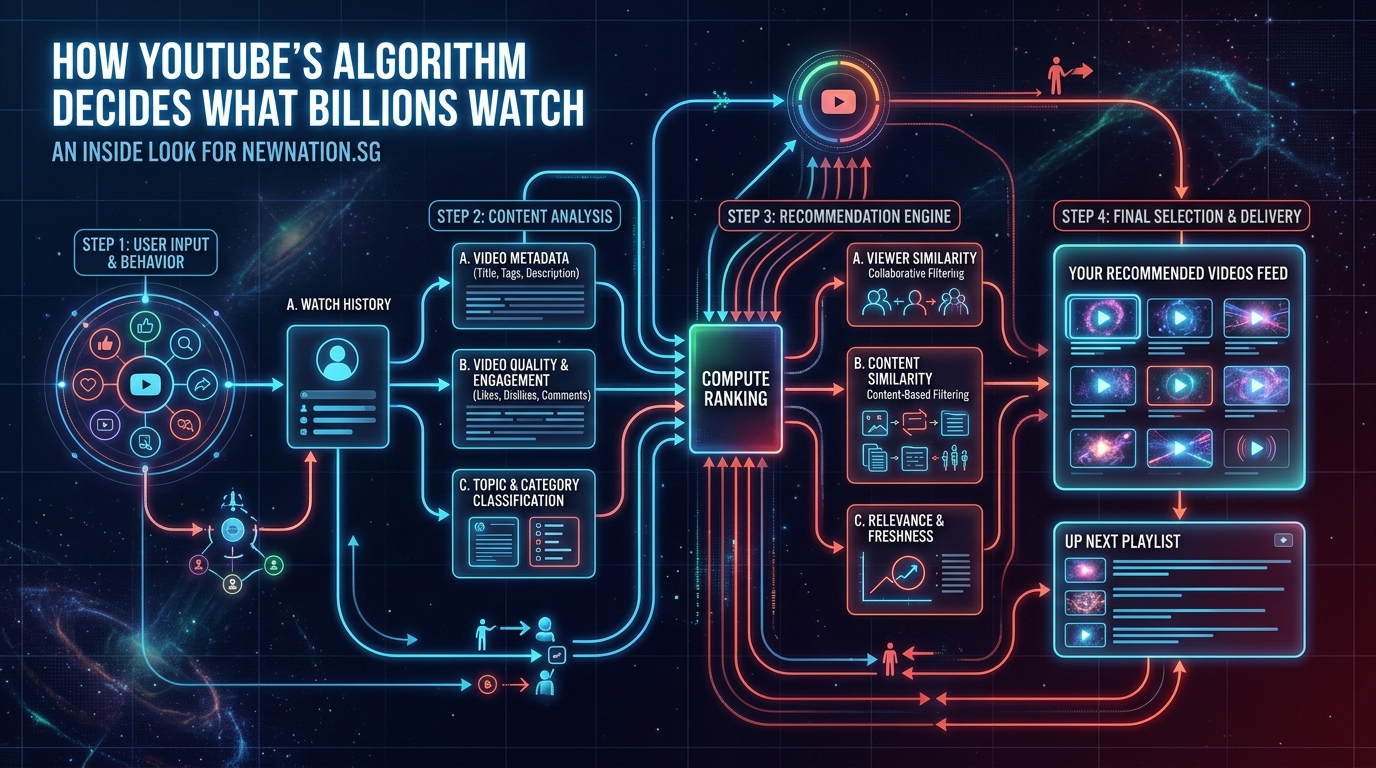
Understanding the system means nothing without execution. Here’s how to work with the algorithm instead of against it.
Creating retention hooks
The first 30 seconds determine everything. Most viewers decide within seconds whether to keep watching or click away.
Start with the payoff, not the setup. If your video teaches a Photoshop technique, show the end result immediately. Then explain how to achieve it. Don’t spend 90 seconds on introductions and channel plugs before delivering value.
Pattern interrupts keep attention. Change camera angles every 3-5 seconds. Use jump cuts to remove dead air. Add text overlays to emphasize key points. Movement and variety fight viewer fatigue.
Thumbnail and title strategy
Your thumbnail and title work as a team. The thumbnail stops the scroll. The title closes the sale.
Thumbnails need contrast and clarity. Faces showing emotion outperform generic graphics. Text should be readable on a phone screen. Avoid clutter. Three elements maximum: face, text, and one supporting visual.
Titles should promise a specific outcome. “How I gained 10,000 subscribers in 30 days” beats “Growing your YouTube channel.” Specificity builds credibility and sets clear expectations.
Match thumbnail and title to video content. Clickbait might get the click, but poor retention kills your reach. The algorithm learns that viewers feel misled and stops recommending your content.
Publishing patterns
Consistency signals reliability to both viewers and the algorithm. Uploading randomly makes it harder for YouTube to predict when to notify subscribers and recommend your content.
Pick a schedule you can maintain. One video per week beats three one month and zero the next. The algorithm favors channels that publish regularly because it can rely on fresh content to recommend.
Timing matters less than you think. YouTube promotes content for days or weeks, not just the first few hours. A video published at 2 AM can still succeed if the content performs well.
Common optimization mistakes
| Mistake | Why It Hurts | Better Approach |
|---|---|---|
| Long intros | Viewers leave before value starts | Deliver payoff in first 10 seconds |
| Generic thumbnails | Low click-through rate limits reach | Use faces, emotion, and clear text |
| Keyword stuffing | Feels spammy, hurts user experience | Write naturally for humans first |
| Ignoring analytics | Can’t improve what you don’t measure | Review retention graphs weekly |
| Chasing trends late | Algorithm already saturated topic | Create evergreen or be first to trends |
| Buying views/subscribers | Fake engagement tanks performance | Build real audience organically |
Reading your analytics
YouTube Studio provides the data you need to improve. Most creators ignore it or don’t know what to look for.
Average view duration shows where viewers leave. If 50% drop off at the 2-minute mark, something happens there that breaks engagement. Watch that section and fix it in future videos.
Traffic sources reveal where views come from. If 80% comes from suggested videos, you’re doing something right with content that complements other popular videos. If search dominates, your SEO is strong but you might not be getting homepage traction.
Audience retention graph displays second-by-second engagement. Spikes indicate rewatchable moments. Valleys show where interest drops. Shape future content around what works.
Click-through rate by impression source tells you which thumbnails work where. A thumbnail that crushes in search might underperform on the homepage because the context differs.
The role of video metadata
Titles, descriptions, and tags help YouTube understand your content. They don’t directly boost rankings, but they enable the algorithm to match your video with relevant searches and audiences.
Your title should include your target keyword naturally. “How to change a tire in 5 minutes” works better than “Tire changing tutorial” because it matches how people actually search.
Descriptions provide context. The first two lines appear in search results, so front-load important information. Include your keyword in the first sentence. Add timestamps for longer videos. Link to related content.
Tags matter less than they used to, but they still help YouTube understand topic relationships. Use 5-10 relevant tags. Include your exact keyword, variations, and related topics. Don’t spam unrelated tags hoping for extra reach.
Building momentum over time
YouTube rewards consistency and improvement. Your first videos will underperform. That’s normal.
The algorithm needs data to understand your content and audience. Early videos help YouTube learn who might enjoy your channel. Each upload provides more signals about your niche, style, and viewer preferences.
Older videos can gain traction months later. The algorithm continuously tests content with new audiences. A video that flopped at launch might find its audience six months later when you’ve built more authority in your niche.
Channel authority grows with proven performance. As more videos succeed, YouTube gains confidence recommending your content to broader audiences. This compounds over time if you maintain quality and consistency.
Making the algorithm work for you
YouTube’s recommendation system isn’t mysterious. It responds to measurable signals you can influence.
Create content that keeps people watching. Hook viewers immediately. Deliver on thumbnail and title promises. Keep pacing tight and value high. Watch your retention graphs and fix weak spots.
Optimize metadata for discovery. Use clear, specific titles. Write descriptions that provide context. Choose thumbnails that stand out and communicate your video’s value at a glance.
Publish consistently so the algorithm can rely on your channel. Study your analytics to understand what works. Double down on successful formats while testing new approaches.
The platform wants to show your videos. It makes money when people watch more. Your job is proving your content keeps viewers engaged. Do that, and the algorithm becomes your biggest promotional partner.