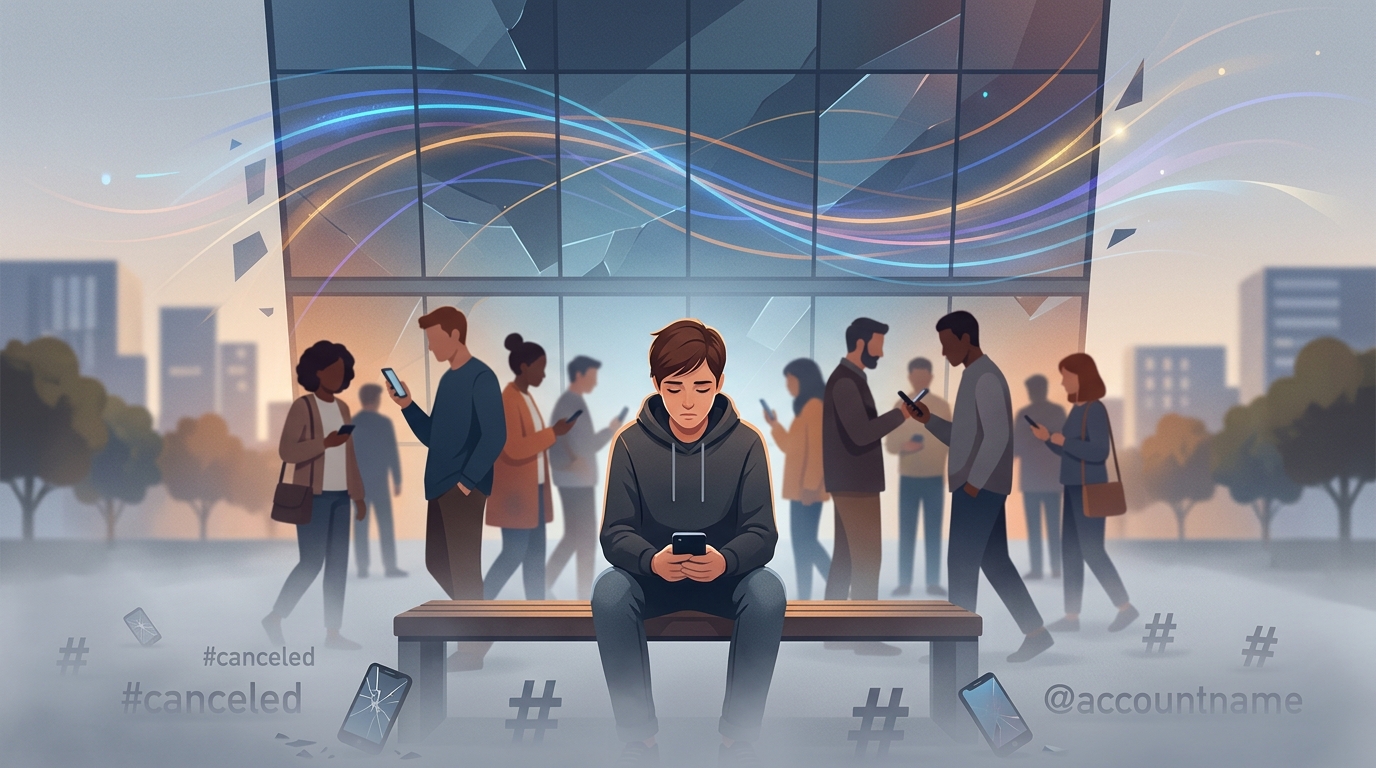
The internet never forgets, but it moves on fast. One week someone is trending for the wrong reasons, facing calls to be fired, shamed, or silenced. The next week, a new target emerges and the cycle repeats. But what happens to the person left behind after the hashtag fades? The hidden cost of cancel culture extends far beyond the initial public shaming, creating ripple effects that last for years.
Cancel culture creates lasting psychological trauma, career destruction, and social isolation that persists long after public attention shifts elsewhere. Targets face depression, anxiety, financial ruin, and broken relationships while bystanders experience fear and self-censorship. The phenomenon reshapes entire communities, creating environments where people walk on eggshells and authentic dialogue becomes impossible. Understanding these hidden costs helps us build more constructive approaches to accountability.
The Psychological Toll Nobody Talks About
Mental health professionals report seeing a new category of patients: people who’ve been canceled. These individuals often display symptoms similar to PTSD, including hypervigilance, intrusive thoughts, and severe anxiety.
The experience of being publicly shamed by thousands of strangers creates unique psychological damage. Traditional therapy models for reputation damage don’t fully address the scale and permanence of internet pile-ons.
Dr. Sarah Mitchell, a therapist specializing in online trauma, notes:
“Clients describe feeling like they’re being watched constantly, even years after the initial incident. They check their name online compulsively. Some develop agoraphobia because they fear being recognized in public. The trauma doesn’t end when the tweets stop.”
Depression rates among canceled individuals spike dramatically. Many report suicidal ideation. Some have attempted or completed suicide, though these tragedies rarely make headlines.
The psychological impact includes:
- Chronic anxiety and panic attacks
- Social withdrawal and isolation
- Loss of identity and self-worth
- Difficulty trusting others
- Sleep disturbances and nightmares
- Substance abuse as a coping mechanism
Family members and close friends also suffer secondary trauma. They watch loved ones spiral while feeling powerless to help. Children of canceled parents face bullying at school. Spouses lose jobs due to association.
Career Death and Financial Devastation
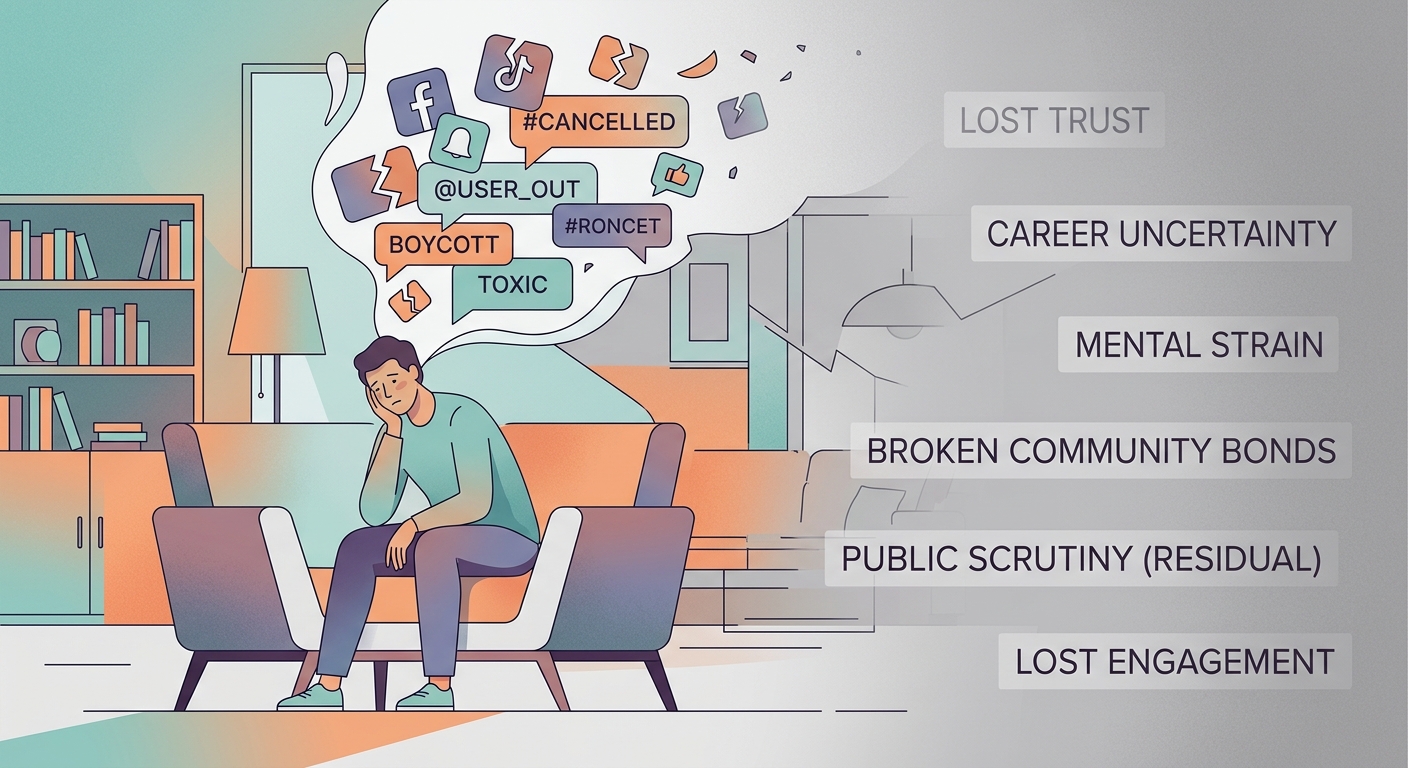
The professional consequences often prove more devastating than the initial public shaming. People lose jobs immediately, but the hidden cost of cancel culture shows up in the years of unemployment that follow.
Hiring managers Google candidates. A canceled past appears on the first page of search results, often permanently. Even unrelated jobs become impossible to obtain.
Consider these real patterns:
- Immediate termination from current employment, often without severance
- Blacklisting within entire industries through informal networks
- Inability to secure new employment due to online search results
- Loss of professional licenses or credentials
- Bankruptcy from legal fees and lost income
- Forced career changes into lower-paying fields
| Career Impact | Short-term Effect | Long-term Effect |
|---|---|---|
| Job loss | Immediate termination | Industry blacklisting |
| Reputation | Viral negative coverage | Permanent search results |
| Income | Complete loss | Reduced earning potential |
| Professional network | Instant abandonment | Inability to rebuild |
| Future prospects | No new opportunities | Career ceiling lowered |
Freelancers and small business owners face unique devastation. Clients disappear overnight. Contracts get canceled. Years of relationship-building evaporate in days.
The financial ripple effects compound over time. Retirement savings get depleted. Homes go into foreclosure. College funds for children disappear. Some people never financially recover.
The Social Isolation That Lingers
Friends vanish. Not all at once, usually. First come the awkward silences. Then the unreturned messages. Eventually, the unfollows and blocks.
People fear guilt by association. Supporting someone who’s been canceled might make you the next target. So former friends perform their own small cancellations, cutting ties to protect themselves.
This social abandonment creates profound loneliness. Humans are social creatures. Being cast out from your community triggers deep evolutionary fears.
Canceled individuals describe feeling like ghosts. They still exist, but nobody sees them anymore. Invitations stop coming. Group chats go silent. Birthday wishes cease.
The isolation extends to dating and romance. Potential partners Google names before first dates. A canceled past becomes an instant dealbreaker. Some people give up on relationships entirely.
Community spaces that once felt welcoming become hostile. Churches, hobby groups, volunteer organizations, all these social structures often reject canceled members to avoid controversy.
The Chilling Effect on Everyone Else
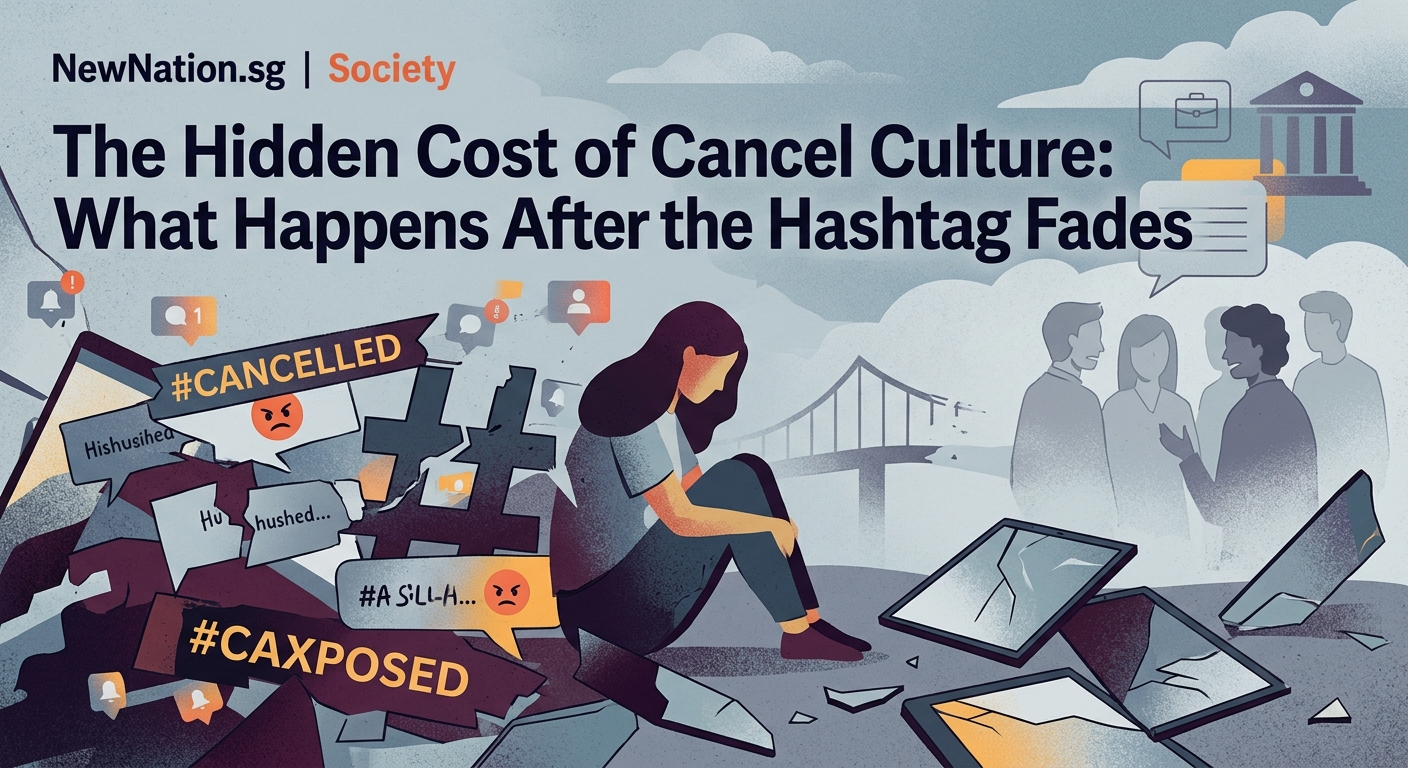
The hidden cost of cancel culture extends beyond direct targets. Witnessing cancelations creates widespread fear and self-censorship among observers.
People become afraid to:
- Share honest opinions on controversial topics
- Ask genuine questions that might be misinterpreted
- Engage in difficult conversations about race, gender, or politics
- Make jokes or use humor that could be taken wrong
- Admit mistakes or express evolving views
- Support unpopular causes or individuals
This chilling effect damages public discourse. Important conversations don’t happen because the risk feels too high. People retreat into ideological bubbles where everyone agrees, avoiding any interaction that might go wrong.
Educators report students afraid to participate in class discussions. Employees stay silent in meetings rather than risk saying something problematic. Artists self-censor creative work before sharing it.
The fear becomes self-perpetuating. Each new cancellation reinforces the message: stay quiet, stay safe.
When Justice Becomes Vengeance
Cancel culture often begins with legitimate grievances. Someone does something harmful. People want accountability.
But the response frequently exceeds the offense. The punishment becomes disproportionate. A single mistake destroys an entire life.
Context disappears in viral moments. Nuance gets lost. People judge decades-old actions by current standards. Apologies get rejected as insufficient. Redemption becomes impossible.
The lack of due process creates injustice. Accusations spread without verification. Targets can’t defend themselves effectively. The crowd serves as judge, jury, and executioner.
Consider these common scenarios:
- Old social media posts resurface, stripped of original context
- Accusations spread before facts are verified
- Apologies are dismissed regardless of sincerity
- No pathway exists for rehabilitation or forgiveness
- Punishment continues indefinitely without clear endpoint
This approach fails to achieve the stated goals of accountability and justice. It simply transfers harm from one person to another.
The Erosion of Empathy and Forgiveness
Cancel culture trains people to view others as either perfectly virtuous or irredeemably evil. This binary thinking destroys nuance and compassion.
Communities lose the ability to handle conflict constructively. Instead of addressing problems through dialogue, restoration, or mediation, they default to expulsion and punishment.
The culture of permanent unforgiveness contradicts how humans actually grow and change. People make mistakes. They hold problematic views, then learn better. They cause harm, then make amends.
Removing the possibility of redemption eliminates incentives for genuine change. If you’ll be punished forever regardless of growth, why bother trying to improve?
Religious and philosophical traditions across cultures emphasize forgiveness and restoration. Cancel culture rejects these values in favor of permanent condemnation.
This shift damages everyone. It creates societies where people live in constant fear of judgment, where authenticity becomes dangerous, where connection becomes impossible.
Building Better Accountability Systems
Recognizing the hidden cost of cancel culture doesn’t mean accepting harmful behavior. It means finding better approaches to accountability.
Restorative justice models offer alternatives. These systems focus on:
- Understanding harm caused
- Taking responsibility
- Making amends
- Repairing relationships
- Preventing future harm
These approaches require more effort than simply canceling someone. They demand nuance, patience, and good faith engagement.
Organizations can implement structured processes for addressing misconduct. Clear policies, fair investigations, proportionate consequences, and pathways to restoration create accountability without destruction.
Communities can practice calling in rather than calling out. Private conversations often achieve more than public shaming. Education works better than punishment for many situations.
Individuals can pause before sharing outrage. Ask questions. Verify information. Consider context. Think about proportionality.
“Real accountability requires seeing people as capable of change. It means distinguishing between patterns of harmful behavior and isolated mistakes. It means creating consequences that match the offense while preserving human dignity.” – Community mediator James Chen
Moving Forward Without Burning Everything Down
The hidden cost of cancel culture reveals itself in destroyed lives, damaged communities, and a culture of fear. These costs are real, measurable, and devastating.
But recognizing these problems doesn’t require defending genuinely harmful behavior. It means building systems that balance accountability with humanity, justice with mercy, consequences with redemption.
We can hold people responsible without destroying them. We can address harm without creating new victims. We can build communities that value both justice and forgiveness.
This requires intention and effort. It means resisting the dopamine hit of righteous anger. It means choosing difficult conversations over easy condemnation. It means remembering that the person being canceled is still a person.
The next time you see someone facing the internet mob, pause. Consider the hidden costs. Ask whether the response matches the offense. Think about what happens after the hashtag fades.
Your choice in that moment matters. It shapes the kind of community we build together. Choose wisely.