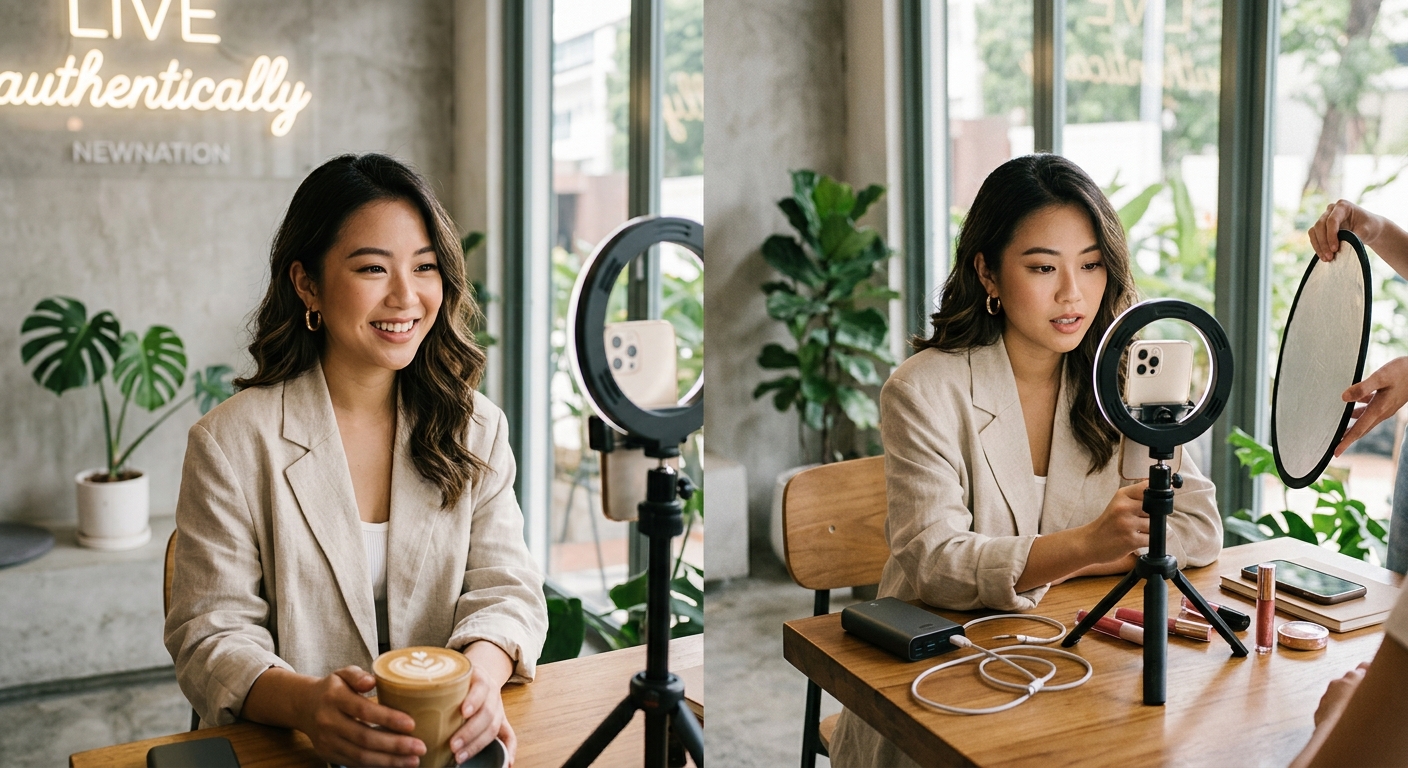
Scroll through Instagram for five minutes and you’ll see perfectly lit breakfast bowls, aspirational workout routines, and heartfelt captions about vulnerability. But something feels off. The more influencers talk about being real, the more staged everything looks. We’re living through a strange moment where authenticity has become a performance, and the rules keep changing.
Influencer culture has transformed authenticity from spontaneous self-expression into calculated content strategy. Today’s digital creators balance genuine connection with brand partnerships, audience expectations, and algorithm demands. What audiences perceive as authentic now includes curated imperfection, strategic vulnerability, and professionally produced “casual” content. Understanding this shift helps both creators and consumers navigate social media more honestly.
The paradox of performing authenticity
Influencers face an impossible task. Their followers want realness, but also aspiration. Brands want relatability, but also polish. The algorithm rewards consistency, but audiences crave spontaneity.
This creates what researchers call “curated authenticity.” Creators carefully select which vulnerable moments to share. They plan their spontaneous content days in advance. They edit their unfiltered photos just enough to look effortlessly good.
The result? A new form of genuine that previous generations wouldn’t recognize.
Consider the “get ready with me” video format. These clips promise an intimate look at someone’s routine. But they’re shot with ring lights, edited for pacing, and scripted to hit engagement metrics. The creator is being themselves, just a highly optimized version.
What audiences actually mean by authentic
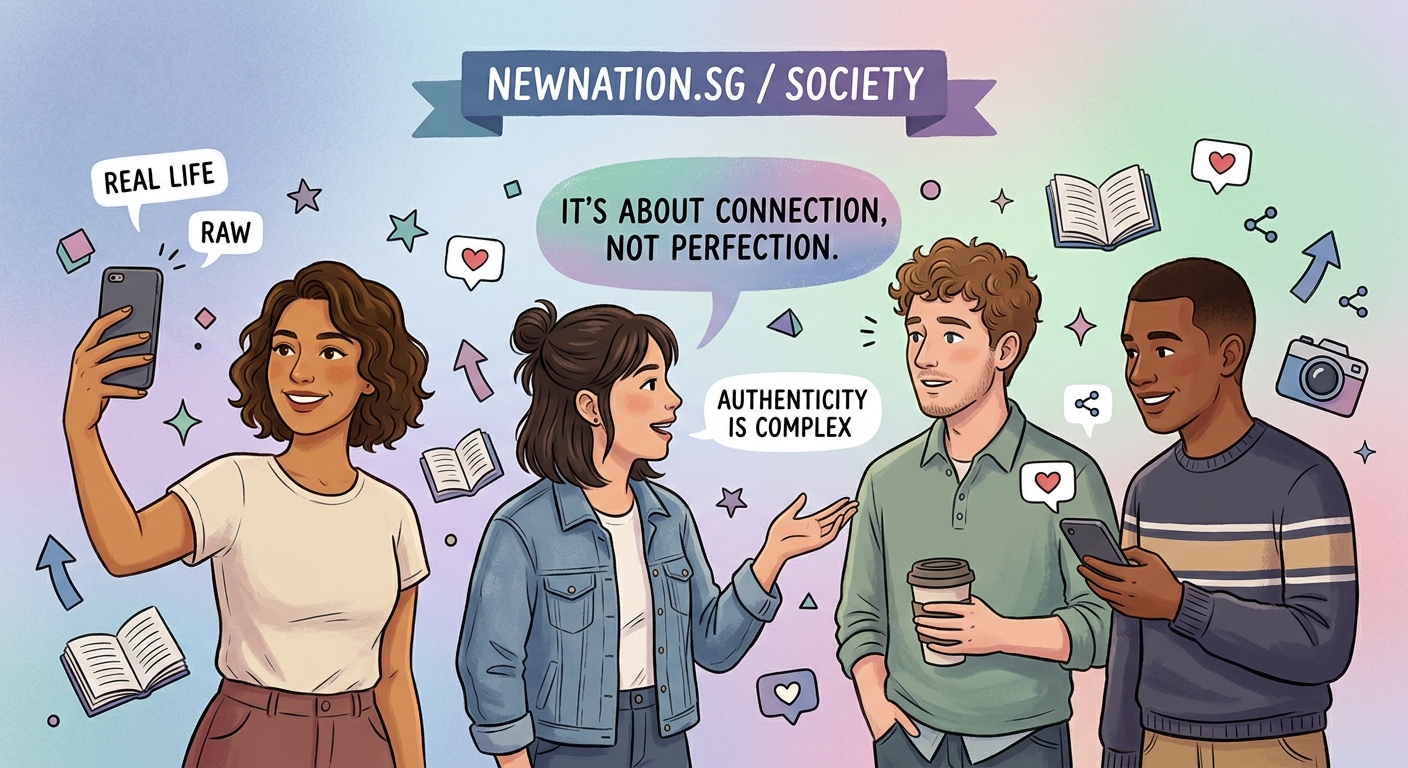
When followers say they want authenticity, they’re not asking for complete transparency. Nobody wants to see every mundane moment or private struggle.
What they actually want:
- Consistency between online persona and perceived reality
- Acknowledgment of sponsorships and partnerships
- Occasional glimpses behind the polished facade
- Values that align with their own
- Content that feels conversational rather than transactional
The confusion happens because “authentic” now means different things to different people. For some, it’s raw emotional honesty. For others, it’s simply not lying about product placements.
Gen Z audiences, for example, often prefer creators who openly discuss their content strategy. They find the transparency about performance more honest than pretending the camera isn’t there.
Millennials tend to value emotional vulnerability. They respond to creators who share mental health struggles or relationship challenges.
Older demographics often equate authenticity with expertise and consistency. They want creators who demonstrate real knowledge rather than just aesthetic appeal.
The business of being real
Authenticity became a marketing strategy around 2016. Brands noticed that polished advertising was losing effectiveness. Consumers trusted recommendations from people who seemed like friends.
Influencer marketing exploded because it offered something traditional ads couldn’t: the illusion of peer advice.
But once authenticity became profitable, it stopped being authentic in the traditional sense.
Here’s how the business model works:
- Build an audience by sharing personal content that feels relatable
- Establish trust through consistent engagement and selective vulnerability
- Monetize that trust through brand partnerships and sponsored content
- Maintain the appearance of authenticity while meeting commercial obligations
The tension is built into the system. Creators need to seem genuine to maintain influence, but they also need to satisfy brand requirements and algorithm preferences.
Some handle this better than others. The most successful influencers develop a clear boundary between sponsored and personal content. They turn down partnerships that don’t align with their established values. They’re upfront about what’s an ad and what’s not.
Others blur these lines until their entire feed becomes an extended advertisement disguised as lifestyle content.
The evolution of authentic content formats
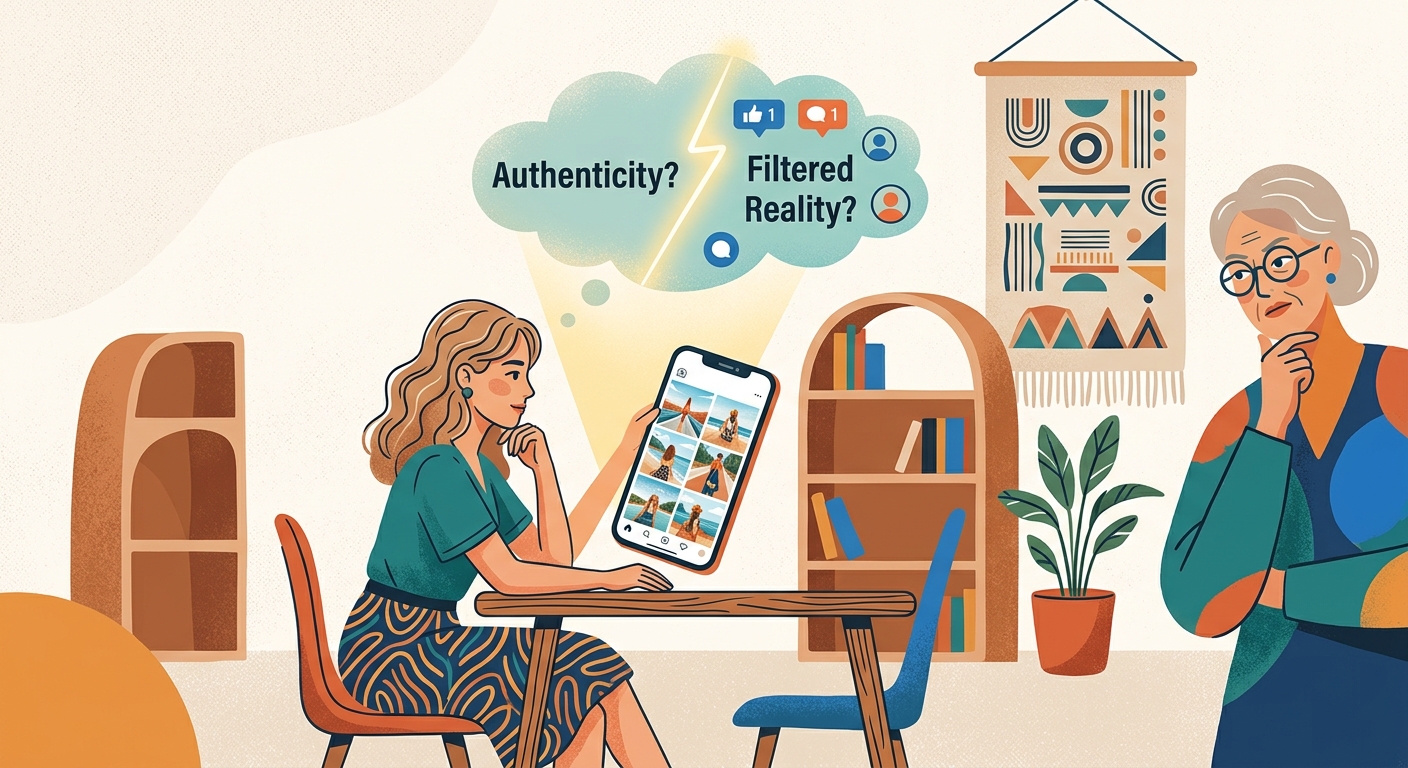
Different platforms have different authenticity signals. What works on TikTok looks fake on LinkedIn. What resonates on YouTube falls flat on Twitter.
| Platform | Authenticity Markers | Common Mistakes |
|---|---|---|
| Behind-the-scenes stories, unedited carousel posts, honest captions | Over-filtering, obvious staging, generic inspiration quotes | |
| TikTok | Raw reactions, trend participation, self-deprecating humor | Trying too hard, scripted spontaneity, ignoring platform culture |
| YouTube | Long-form storytelling, direct address to camera, acknowledgment of business side | Over-editing, clickbait thumbnails, avoiding difficult topics |
| Hot takes, real-time reactions, thread-based storytelling | Corporate speak, obvious engagement bait, performative activism |
TikTok changed the game by making low production value feel more trustworthy. Suddenly, perfect lighting and professional editing signaled inauthenticity. The platform rewarded creators who filmed in their cars or bedrooms with natural lighting and ambient noise.
But even this aesthetic became calculated. Creators now deliberately make their content look unpolished. They add intentional imperfections to seem more real.
The cycle continues. As soon as audiences identify authenticity markers, creators optimize for them, and they stop feeling authentic.
When vulnerability becomes content
The rise of mental health awareness on social media created a new authenticity dilemma. Creators began sharing struggles with anxiety, depression, and burnout. Audiences responded positively to this openness.
Then vulnerability became a content category.
Some creators now produce emotional content on a schedule. They share breakdowns, therapy insights, and recovery journeys as regular programming. The line between genuine sharing and emotional exploitation gets blurry.
“The moment you decide to post about your worst day, you’ve already put it through a filter. You’re thinking about how it will be received, what it means for your brand, whether it will resonate. That’s not wrong, but it’s also not the same as just being vulnerable.” – Dr. Sarah Martinez, Digital Culture Researcher
This doesn’t mean all vulnerable content is performative. Many creators genuinely want to reduce stigma and help others feel less alone. But the incentive structure of social media makes it nearly impossible to separate authentic sharing from strategic content creation.
The platforms reward emotional content with higher engagement. Followers appreciate vulnerability with likes and comments. Brands see authentic creators as more influential.
Everyone benefits except, sometimes, the creator’s actual mental health.
The algorithm’s role in shaping realness
Platform algorithms don’t care about authenticity. They care about engagement, watch time, and user retention.
This creates pressure to optimize every piece of content, even supposedly spontaneous moments. Creators learn that certain types of “authentic” content perform better:
- Emotional hooks in the first three seconds
- Conflict or controversy that drives comments
- Relatable complaints that generate shares
- Before-and-after narratives with clear transformation
The algorithm rewards these patterns, so creators produce more of them. What started as genuine expression becomes a formula.
Some platforms are trying to address this. Instagram occasionally promotes “authentic” content through algorithm changes. BeReal built an entire platform around spontaneous, unedited posting.
But as soon as there’s a system, people game it. BeReal users now wait for the daily notification, prepare their surroundings, and take multiple shots before posting their “spontaneous” photo.
You can’t engineer authenticity through platform design because authenticity isn’t a feature. It’s a relationship between creator and audience that exists outside any technical system.
What brands expect from authentic influencers
Marketing departments now have entire strategies built around authentic influencer partnerships. But what they call authenticity often means something very specific.
Brands want influencers who:
- Have engaged audiences that trust their recommendations
- Align with brand values in their existing content
- Can integrate products naturally into their lifestyle
- Maintain a consistent aesthetic that matches brand imagery
- Deliver measurable conversion rates
Notice what’s missing? Actual spontaneity, unflattering moments, or content that doesn’t serve a strategic purpose.
Brands say they want authenticity because research shows it drives sales. But they want a very particular, brand-safe version of it.
This puts creators in an awkward position. They need to seem authentic enough to maintain audience trust, but polished enough to satisfy brand partners. They need to integrate products naturally, but also hit specific talking points and show the logo clearly.
The most skilled influencers make this look effortless. They choose partnerships that genuinely fit their lifestyle. They create sponsored content that provides real value beyond the advertisement. They’re transparent about the business relationship while still making compelling content.
But this skill itself becomes another form of performance. Being good at authentic-seeming sponsored content is a professional competency, not a personality trait.
How audiences are getting savvier
Followers aren’t passive consumers anymore. They understand influencer business models. They recognize sponsored content even without disclosure tags. They can spot calculated vulnerability from a mile away.
This creates an arms race. As audiences get better at detecting performance, creators develop more sophisticated authenticity techniques. The cycle continues.
Some audiences have given up on authenticity entirely. They follow influencers for aspirational content and don’t expect or want realness. They understand it’s entertainment, not friendship.
Others have migrated to smaller creators or niche communities where the commercial pressure is lower. Micro-influencers with a few thousand followers often feel more genuine because they’re not yet optimizing every post for maximum revenue.
The savviest audiences now appreciate meta-authenticity. They like creators who openly discuss the performance of authenticity. Who acknowledge the weirdness of their job. Who treat content creation as a craft rather than pretending the camera isn’t there.
The mental health cost of constant performance
Being authentic as a job is exhausting. Creators report burnout from constantly monitoring how they’re perceived. Every casual story becomes a calculation. Every genuine emotion gets filtered through “should I post this?”
Some influencers describe feeling like they’ve lost touch with who they actually are. The performed version of themselves becomes so developed that it’s hard to separate it from their real personality.
Others struggle with the pressure to constantly share. Taking a break means losing relevance. Keeping parts of life private feels like holding back from their audience.
The expectation of authenticity can be more demanding than the expectation of perfection. Perfect content has clear standards. Authentic content requires constant emotional labor and strategic vulnerability.
Finding genuine connection in performative spaces
Despite all this complexity, real connections do happen on social media. People find communities, support, and friendship through influencer content.
The key is understanding what you’re actually looking for. If you want entertainment and inspiration, follow aspirational creators without expecting them to be your friends. If you want genuine community, seek out smaller creators or participate in comment sections and group chats.
For creators, the path forward involves getting clear about boundaries. Decide what’s shareable and what’s private. Be honest about the business side without over-explaining. Create content that serves your audience without sacrificing your wellbeing.
Authenticity in influencer culture isn’t about being completely unfiltered. It’s about being honest within the constraints of the medium. It’s about consistency between values and content. It’s about respecting your audience enough to not manipulate them, even when that would be more profitable.
Making sense of the new normal
We’re not going back to a pre-influencer internet. This is how media works now. The line between personal and professional, between authentic and performed, will keep shifting.
The healthiest approach is probably acceptance. Social media content is content. Even the authentic stuff is curated. That doesn’t make it worthless, just different from actual friendship or unmediated self-expression.
For social media users, this means consuming influencer content with appropriate context. Enjoy it, learn from it, but don’t mistake it for reality or genuine relationship.
For marketing professionals, it means moving past authenticity as a buzzword and focusing on actual value. Does this partnership serve the audience? Is the creator a genuine fit? Are we asking them to compromise their credibility?
For creators, it means finding sustainable ways to balance business needs with personal boundaries. Building content strategies that don’t require constant emotional exposure. Developing skills beyond just being yourself on camera.
The future of authenticity in digital spaces won’t look like the past. It will be something new, shaped by platform mechanics, audience expectations, and commercial realities. The creators and audiences who thrive will be those who can navigate this complexity without losing sight of what actually matters: real value, honest communication, and content that improves people’s lives in some small way.