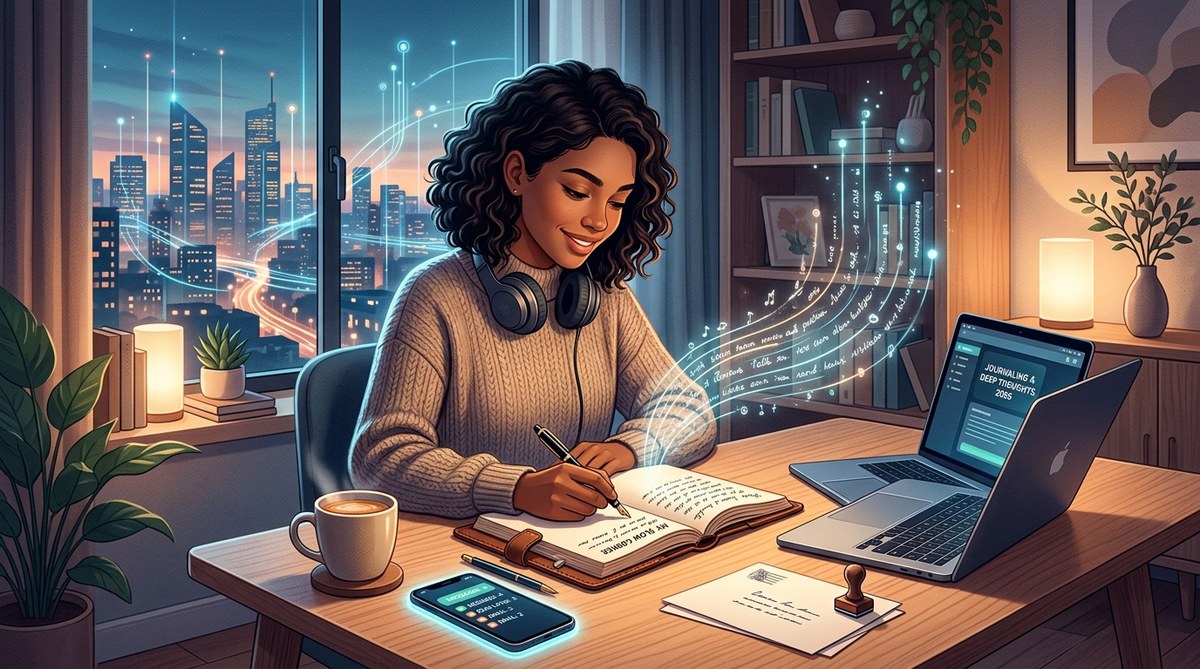
You open your phone to respond to a text from a friend. Three hours later, you have answered fourteen DMs, five emails, two Slack messages, and a comment on a shared doc. None of them felt meaningful. That hollow ping pong of half replies and reaction emojis is exactly why the internet is now reviving the art of slow communication in 2026.
The same tools that trained us to reply within seconds are now being used to consciously pause. People are rediscovering the pleasure of a carefully worded letter, a voice note recorded in one take, or a forum post that stays up for days. This is not a rejection of technology. It is a smarter way of using it.
The slow communication revival in 2026 is a deliberate move away from instant, shallow interactions toward thoughtful, asynchronous exchanges. Digital tools like email newsletters, long-form podcasts, and invite only messaging apps are driving this shift. The benefits include deeper relationships, less anxiety, better focus, and more meaningful online communities. This article covers why it is happening, how to adopt it, and what mistakes to avoid.
The Exhaustion of Instant Everything
For the past two decades, speed was the only metric that mattered. Social media rewarded the first reply. Workplace chat expected an answer within minutes. Dating apps judged you by how fast you swiped. The result? A generation of people who feel anxious every time a notification lights up.
This hyperconnectivity has a dark side. According to a 2025 study from the American Psychological Association, the constant pressure to reply instantly is linked to higher cortisol levels and lower life satisfaction. The solution is not to unplug entirely. It is to change the rhythm of how we communicate.
The slow communication movement borrows from principles of digital minimalism and mindfulness. Instead of demanding an immediate response, it encourages people to write when they have something real to say, and to read when they have the attention to absorb it. This is not a niche trend. It is showing up everywhere.
Where Slow Communication Is Thriving in 2026
You might think slow communication means going back to paper letters and landlines. In reality, it is happening inside the same apps and platforms that used to push speed.
- Long form newsletters and blogs are growing. Platforms like Substack and Ghost let writers send thoughtful essays straight to inboxes. Readers pay for depth, not frequency.
- Voice notes and video messages are replacing texts for many Gen Z and Millennials. A three minute voice note lets you hear tone, pace, and emotion, something a text can never convey.
- Niche community forums are making a comeback. The rise of invite only Discord servers and subreddits with strict posting guidelines means conversations are slower and more curated.
- Delayed delivery apps are appearing. New messaging tools let you schedule delivery hours or days later, removing the expectation of an instant reply.
- Book and podcast clubs are becoming social hubs again. Instead of reacting to a clip in seconds, people read or listen at their own pace and gather weekly to discuss.
One example is the growing popularity of the “slow reply” etiquette. In 2026, many users now set status messages like “I reply within 24 to 48 hours” without apology. This was unthinkable five years ago.
Steps to Embrace Slow Communication Yourself
If you want to join the slow communication revival in 2026, start with small changes. Here is a practical numbered list to guide you.
- Audit your communication channels. List every app you use for messaging, email, and social media. Delete the ones that demand your attention without giving value. Keep only two or three primary channels.
- Set a daily reply window. Designate one or two blocks of time (say 10 AM and 4 PM) to respond to messages. Outside those windows, keep notifications off.
- Write longer, fewer messages. Instead of sending five short texts, compose a single thoughtful paragraph. If the topic is complex, record a voice note or schedule a call.
- Use async tools intentionally. Rely on email, project boards, and forums that allow people to respond when ready. Avoid chat apps that expect real time presence.
- Practice the “one day rule.” For non urgent conversations, wait 24 hours before replying. This gives you time to think and the other person space.
“Slow communication is not about being rude or ignoring people,” writes digital wellness researcher Dr. Lina Torres in her 2026 book The Power of Pause. “It is about respecting your own attention and the attention of others. Every reply should earn its place in someone’s day.”
The Benefits of Slowing Down
People who adopt slow communication report several positive changes in their daily lives.
- Lower anxiety and less compulsive phone checking.
- Deeper conversations that build trust and understanding.
- More time for focused work, exercise, and real world relationships.
- Higher quality feedback in professional settings because people think before they type.
- A sense of control over your digital life instead of being controlled by it.
A recent survey by the Digital Wellness Institute found that 63 percent of respondents who limited their messaging to fewer than three apps said they felt “significantly less stressed” after two weeks.
Fast Communication vs. Slow Communication: A Quick Comparison
The table below highlights the core differences between the two styles.
| Aspect | Fast Communication | Slow Communication |
|---|---|---|
| Response expectation | Within minutes or seconds | Within hours or days |
| Message length | Short, fragmented sentences | One thoughtful paragraph or voice note |
| Emotional tone | Prone to misinterpretation | Richer tone from voice or full sentences |
| Tools used | Chat apps, DMs, comment sections | Email, newsletters, forums, scheduled calls |
| Typical outcome | Many low quality interactions | Fewer but more meaningful connections |
| Effect on mental health | Higher stress, more distractions | Lower stress, better focus |
Common Mistakes When Trying Slow Communication
Even with good intentions, people often slip into old habits. Avoid these errors.
- Going silent without explanation. Inform your close contacts that you are shifting to slower replies. A simple status update or auto reply works.
- Judging others who reply fast. Not everyone is ready for slow communication. Respect their pace while you set your own.
- Using slow communication as an excuse to avoid difficult topics. If a conversation needs to happen, schedule a video call. Slow does not mean avoidant.
- Forgetting that some situations still need speed. Emergencies, time sensitive work, and urgent family matters require immediate attention. Slow communication is a default, not a rigid rule.
Why This Revival Is Happening Now
Several cultural shifts are fueling the slow communication revival in 2026.
First, the post pandemic world left many people exhausted by constant virtual meetings and notifications. The initial rush to digitize everything is being replaced by a desire for intention.
Second, younger generations are questioning the hustle culture that demanded nonstop availability. Movements like quiet quitting and bare minimum Monday have shown that boundaries are healthy.
Third, the technical environment is finally catching up. Apps now prioritize privacy, async features, and user control. As one tech analyst put it, “the tools we use to talk are finally maturing.”
And fourth, people are rediscovering the joy of analog hobbies. From vinyl records to journaling to polaroid cameras, the hands on, unhurried experience is becoming a status symbol for those who can afford to slow down.
If you want to understand this shift even better, check out our piece on the rise of digital minimalism and why Gen Z is deleting social media apps. It explains the mindset behind the movement.
How Slow Communication Changes Your Relationships
When you stop replying instantly, something surprising happens. People start sending you messages that matter.
Instead of “hey” or “u there?”, they write full sentences. They share updates, ask real questions, and expect a thoughtful answer. Your inbox becomes a place of connection rather than noise.
This shift is especially visible in romantic relationships. Couples who adopt slow communication often report feeling less pressure and more intimacy. A delayed text is no longer a sign of disinterest. It is a sign of respect for the conversation.
For professional contexts, slow communication can lead to better decisions. When team members take time to write a clear update, fewer misunderstandings happen. The same goes for creative collaborations. Ideas need space to breathe.
The Internet Created the Problem and the Solution
It might sound ironic that the internet is reviving slow communication, but it makes perfect sense. The very platforms that made us impatient are now being used to cultivate patience. We are learning to use the same infrastructure differently.
For example, instead of scrolling a feed, people are subscribing to a single newsletter. Instead of jumping into a group chat, they write a letter in a shared document. The internet is not the enemy. The habits we built were.
The slow communication revival in 2026 is proof that we can rewrite those habits. It is not about going offline. It is about going intentional.
To see this idea in action, look at how the unexpected comeback of forums and message boards in 2026 is giving people a space for depth over speed.
A Final Thought on Embracing the Pause
Change does not require a digital detox or a radical lifestyle overhaul. It starts with one decision to breathe before you type. To choose a voice note over a knee jerk emoji. To let a question sit overnight before answering.
The internet is not going anywhere. Neither is speed. But in 2026, more people are discovering that the most powerful communication tool is not the fastest one. It is the one that arrives when both sender and receiver are ready.
Try it for a week. Set one rule for yourself: every message you send must be at least three sentences long, or a voice note of at least thirty seconds. See how your conversations change. You might find that the art of slow communication was never lost. It was just waiting for you to pick it back up.