You’ve probably seen it on your feed. Soft linen dresses, homemade bread cooling on windowsills, wildflower bouquets in mason jars. The aesthetic has a name, and it’s taken over social media with a force that surprised even the most devoted trend watchers.
Cottagecore is an aesthetic movement celebrating romanticized rural life through vintage fashion, handmade crafts, sustainable living, and nature appreciation. Born on [Tumblr](https://en.wikipedia.org/wiki/Tumblr) around 2018 and popularized on TikTok during 2020, it appeals to young adults seeking comfort, authenticity, and escape from digital burnout. The trend emphasizes [self-sufficiency](https://en.wikipedia.org/wiki/Self-sufficiency), slow living, and creating beauty in everyday moments through baking, gardening, and traditional crafts.
The basics of the aesthetic
Cottagecore romanticizes rural life and traditional homemaking. Think pastoral landscapes, vintage floral patterns, and activities your great-grandmother might have enjoyed.
The aesthetic centers on simplicity. Baking sourdough bread from scratch. Tending a vegetable garden. Wearing flowing dresses with puffed sleeves. Picking wildflowers for the kitchen table.
But it goes beyond visuals. Cottagecore represents a lifestyle philosophy that values slowing down, connecting with nature, and finding joy in domestic tasks.
The name combines “cottage” and the suffix “core,” a naming convention borrowed from internet subcultures. Other examples include normcore, goblincore, and dark academia.
Core elements include:
- Natural fabrics like linen, cotton, and wool
- Vintage or handmade clothing with romantic silhouettes
- Gardening, foraging, and cooking from scratch
- Animal companionship, especially chickens, rabbits, and cats
- DIY crafts like embroidery, knitting, and preserving foods
- Earthy color palettes featuring cream, sage green, and soft brown
- Antique or rustic home decor
The aesthetic pulls inspiration from different eras and places. English countryside cottages. French provincial farmhouses. American pioneer homesteads. Scandinavian simplicity.
Where the trend started
Cottagecore emerged on Tumblr around 2018, though the ideas existed in various forms before that. Early posts featured mood boards combining pastoral imagery, vintage photography, and quotes about simple living.
The aesthetic gained serious momentum in 2020. Lockdowns forced people indoors, sparking interest in home-based hobbies. Suddenly, baking bread and starting herb gardens felt less like quaint pastimes and more like meaningful activities.
TikTok became the primary platform for cottagecore content. Videos showing bread-making processes, garden tours, and outfit styling racked up millions of views. The hashtag #cottagecore has accumulated billions of views across social platforms.
Several cultural factors contributed to its rise:
- Digital burnout drove people toward analog activities and slower-paced content
- Climate anxiety made sustainable, nature-focused lifestyles more appealing
- Economic uncertainty sparked interest in self-sufficiency and homesteading skills
- Pandemic isolation created desire for comforting, nostalgic imagery
The movement also benefited from celebrity and influencer adoption. Taylor Swift’s “folklore” and “evermore” albums captured cottagecore’s dreamy, pastoral mood. Fashion brands started releasing collections with prairie dresses and milkmaid tops.
How people practice cottagecore today
You don’t need to move to the countryside to participate. Most followers adapt the aesthetic to their current living situations.
Urban dwellers grow herbs on apartment balconies. They shop at farmers markets. They thrift vintage dishes and linens. They bake on weekends and share the results on Instagram.
Suburban practitioners might keep backyard chickens, plant vegetable gardens, or take up beekeeping. They host tea parties with homemade scones. They learn traditional crafts through YouTube tutorials.
The aesthetic shows up in different areas:
Fashion choices lean toward vintage-inspired pieces. Long skirts, pinafores, cardigans, straw hats. Natural fibers take priority over synthetic materials. Many followers thrift or sew their own clothes.
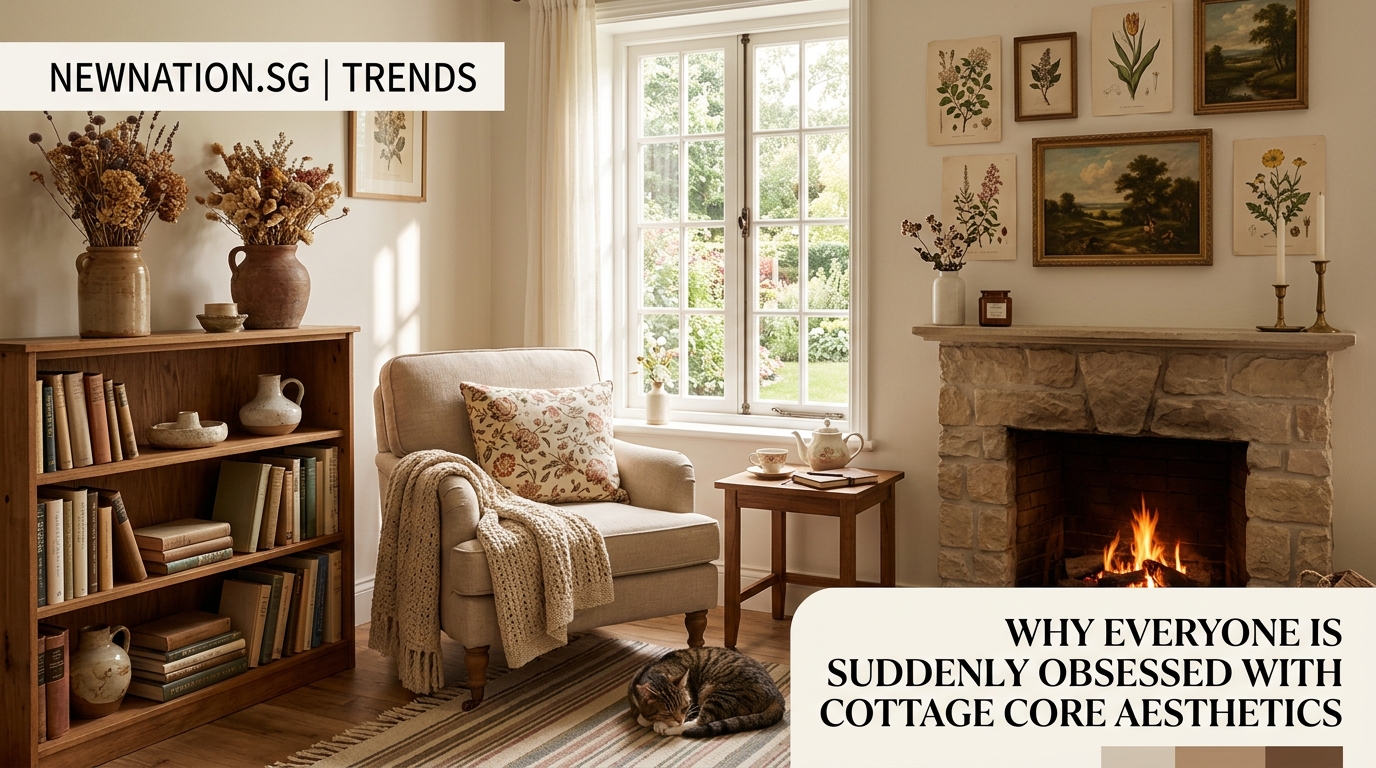
Home decor emphasizes coziness and handmade elements. Dried flowers, embroidered pillows, ceramic dishware, wooden furniture. Spaces feel lived-in rather than minimalist.
Food practices focus on from-scratch cooking. Sourdough starters, homemade jam, pickled vegetables, fresh-baked cookies. Presentation matters, with careful attention to plating and photography.
Hobbies include traditional crafts and outdoor activities. Embroidery, crochet, watercolor painting, pressing flowers. Foraging for mushrooms or berries. Identifying local plants and birds.
Common misconceptions versus reality
| Misconception | Reality |
|---|---|
| You must live in a rural area | Most followers adapt the aesthetic to urban or suburban settings |
| It requires expensive vintage clothing | Thrifting and DIY projects make it accessible on any budget |
| It’s only for women | The community includes people of all genders |
| It means rejecting all technology | Followers use social media to share and learn, balancing digital and analog |
| It’s purely escapist fantasy | Many practitioners develop real skills in cooking, gardening, and crafts |
| Everyone must be vegan or vegetarian | Dietary choices vary widely within the community |
The aesthetic sometimes faces criticism for romanticizing labor that was historically difficult and unequal. Farm work involves backbreaking effort. Traditional gender roles often confined women to domestic spaces.
Thoughtful practitioners acknowledge these realities. They appreciate the skills and beauty without ignoring the historical context. They adapt what resonates while rejecting oppressive aspects.
“Cottagecore isn’t about going backwards. It’s about taking the best parts of traditional living and combining them with modern values like sustainability, inclusivity, and mental health awareness. You can bake bread and support workers’ rights at the same time.”
Why this aesthetic resonates now
Young adults face unique pressures. Student debt, housing costs, climate change, political instability. The future feels uncertain in ways previous generations didn’t experience as intensely.
Cottagecore offers psychological comfort. It presents a world where effort produces visible results. You knead dough, it becomes bread. You plant seeds, they become tomatoes. The cause-and-effect feels refreshing compared to abstract digital work.
The aesthetic also provides creative outlet. Photography, styling, crafting. These activities produce tangible satisfaction that scrolling social media never quite delivers.
Environmental concerns align with cottagecore values. Growing food reduces carbon footprint. Thrifting clothes fights fast fashion. Learning to repair items combats throwaway culture.
The community aspect matters too. Online cottagecore spaces tend toward kindness and encouragement. People share recipes, gardening tips, and craft tutorials. The vibe feels supportive rather than competitive.
Mental health benefits emerge from cottagecore practices:
- Gardening reduces stress and anxiety
- Baking provides meditative focus
- Crafts offer creative expression
- Nature time improves mood
- Accomplishing tangible tasks builds confidence
Getting started with the lifestyle
Begin with activities that genuinely interest you. Don’t force yourself to knit if you’d rather bake. Authenticity matters more than checking every aesthetic box.
Start small:
- Choose one hobby that appeals to you, whether baking, gardening, or crafting
- Gather basic supplies without overspending on specialized equipment
- Find tutorials on YouTube or TikTok from creators whose style you enjoy
- Practice regularly to build skills and find your rhythm
- Share your progress if you want community connection and feedback
Budget-friendly entry points include:
- Baking simple recipes with ingredients you already own
- Starting herbs from seeds in recycled containers
- Learning embroidery with basic thread and fabric scraps
- Thrifting vintage dishes or linens at secondhand stores
- Taking nature walks to observe local plants and wildlife
- Pressing flowers between book pages
Photography plays a big role in sharing cottagecore content. Natural lighting works best. Morning and late afternoon provide soft, flattering light. Composition matters more than expensive equipment. Most successful creators use smartphones.
Focus on capturing mood rather than perfection. A slightly messy kitchen counter with flour-dusted hands feels more authentic than overly staged shots.
Variations within the movement
Cottagecore has spawned related aesthetics, each with distinct characteristics.
Grandmacore emphasizes cozy domesticity. Knitting, tea drinking, floral housedresses, comfort over style.
Farmcore focuses more on actual agricultural work. Vegetable gardens, livestock care, preserving harvests, functional clothing.
Goblincore celebrates the messier side of nature. Mushrooms, moss, rocks, frogs, earthy tones, collecting odd treasures.
Dark academia shares some overlap but leans intellectual. Libraries, classical music, vintage blazers, autumn colors, scholarly pursuits.
Some people blend elements from multiple aesthetics. You might combine cottagecore’s baking with dark academia’s love of old books. Or mix farmcore’s vegetable gardening with goblincore’s mushroom foraging.
The flexibility allows personal expression. No strict rules dictate what counts as “real” cottagecore.
Sustainability and ethical considerations
Many followers embrace cottagecore specifically for its environmental benefits. Growing food, reducing consumption, and learning repair skills all support sustainable living.
Thrifting plays a major role. Vintage clothing and housewares get new life instead of ending up in landfills. Plus, older items often feature better quality construction than modern fast fashion.
Some practitioners raise concerns about performative sustainability. Buying new items marketed as “cottagecore aesthetic” contradicts the movement’s values. A $200 linen dress from a trendy brand misses the point.
Genuine participation means:
- Prioritizing used items over new purchases
- Learning skills that reduce reliance on corporations
- Supporting local farmers and artisans
- Choosing quality over quantity
- Repairing instead of replacing when possible
The movement also faces questions about accessibility. Not everyone has outdoor space for gardens. Not everyone can afford organic ingredients. Not everyone has time for time-intensive hobbies.
Inclusive communities recognize these limitations. They celebrate apartment herb gardens alongside sprawling vegetable plots. They share budget recipes and free resources. They acknowledge that participation looks different for everyone.
Beyond the aesthetic
What started as a visual trend has evolved into something deeper for many followers. The skills learned have practical value. Knowing how to bake bread, grow vegetables, or mend clothing builds real competence.
Some people use cottagecore as a gateway to homesteading. They start with a windowsill herb garden, then progress to backyard chickens, then consider rural property.
Others appreciate it purely as creative outlet. They enjoy the photography, the styling, the community. They have no interest in actual farm life, and that’s fine.
The movement has influenced mainstream culture. Fashion retailers stock more prairie dresses and linen pieces. Home decor trends favor natural materials and vintage touches. Baking became cool again.
Mental health professionals note potential benefits. Engaging in hands-on hobbies can reduce anxiety and depression. Creating beautiful things provides sense of purpose. Connecting with nature improves overall wellbeing.
The aesthetic also offers counter-narrative to hustle culture. It says rest matters. Beauty matters. Taking time to make soup from scratch has value, even if it’s not “productive” in capitalist terms.
Making it your own
The best approach treats cottagecore as inspiration rather than rigid rulebook. Take what resonates, leave what doesn’t.
Maybe you love baking but hate gardening. Lean into bread-making. Maybe you adore vintage fashion but can’t stand cooking. Focus on thrifting and styling.
The aesthetic works best when it enhances your life rather than adding pressure. If maintaining a sourdough starter stresses you out, it’s not serving its purpose.
Consider your actual living situation. Apartment dwellers can focus on indoor plants, baking, and crafts. Suburban folks might add vegetable gardens and small livestock. Rural residents can go full homestead if desired.
Budget matters too. Thrifting, foraging, and using what you already own keeps costs low. The movement shouldn’t require spending money you don’t have.
Time constraints are real. Start with activities that fit your schedule. Baking one loaf of bread on Sunday feels more sustainable than attempting daily sourdough when you work long hours.
The community aspect enhances enjoyment for many people. Following creators who inspire you, sharing your own attempts, and connecting with others who appreciate the aesthetic all add value.
Your version of simple living
Cottagecore taps into something fundamental. The desire for beauty, connection, and meaning. The wish to create with your hands. The need to slow down in a world that never stops rushing.
Whether you go all-in with backyard chickens and vegetable gardens, or simply bake the occasional loaf of bread, the aesthetic offers permission. Permission to value domestic skills. Permission to find joy in simple pleasures. Permission to opt out of constant productivity.
Start wherever you are. Try one recipe, plant one herb, learn one craft. See what brings you genuine satisfaction rather than just aesthetic points. The prettiest cottagecore content means nothing if the process makes you miserable.
The real magic happens when you find your own rhythm. When baking becomes meditation rather than performance. When your garden grows because you enjoy tending it, not because it photographs well. When the aesthetic transforms from something you consume into something you live.