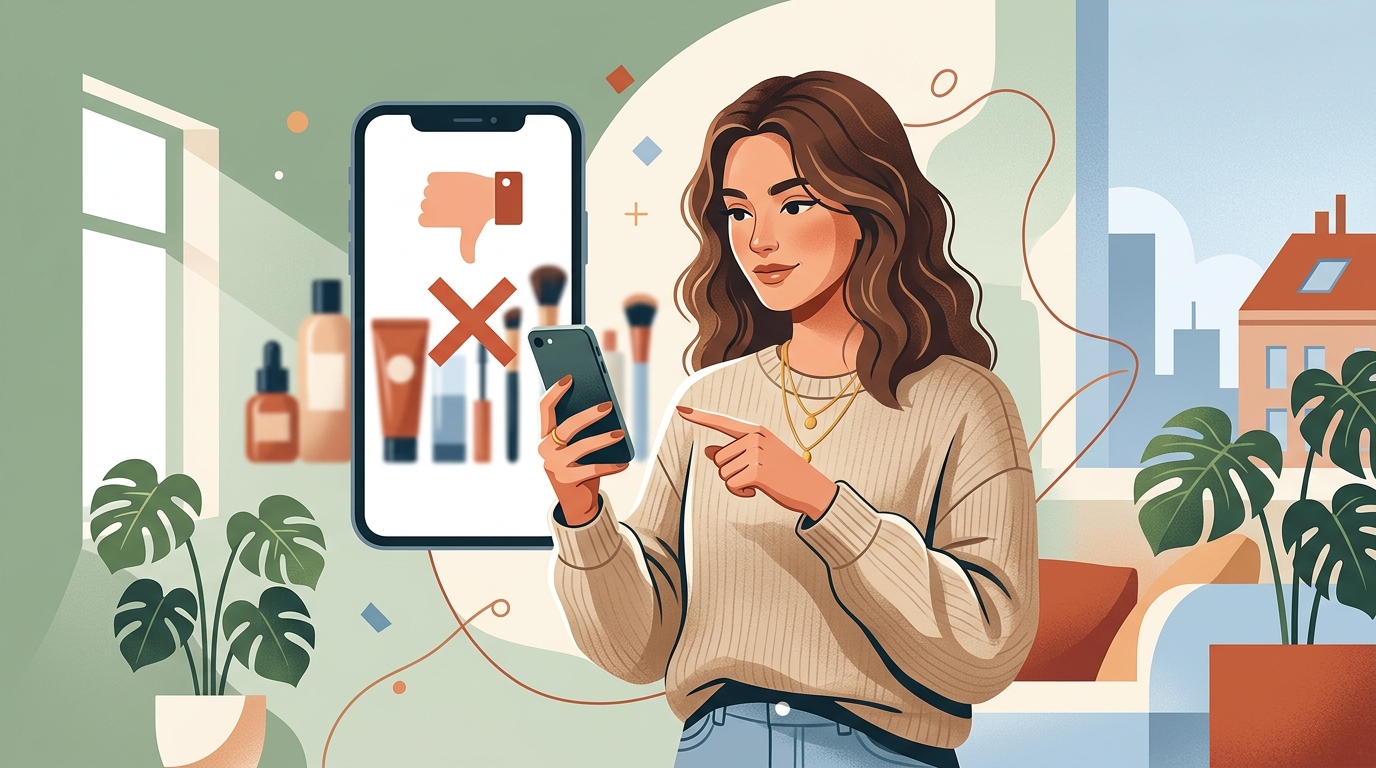
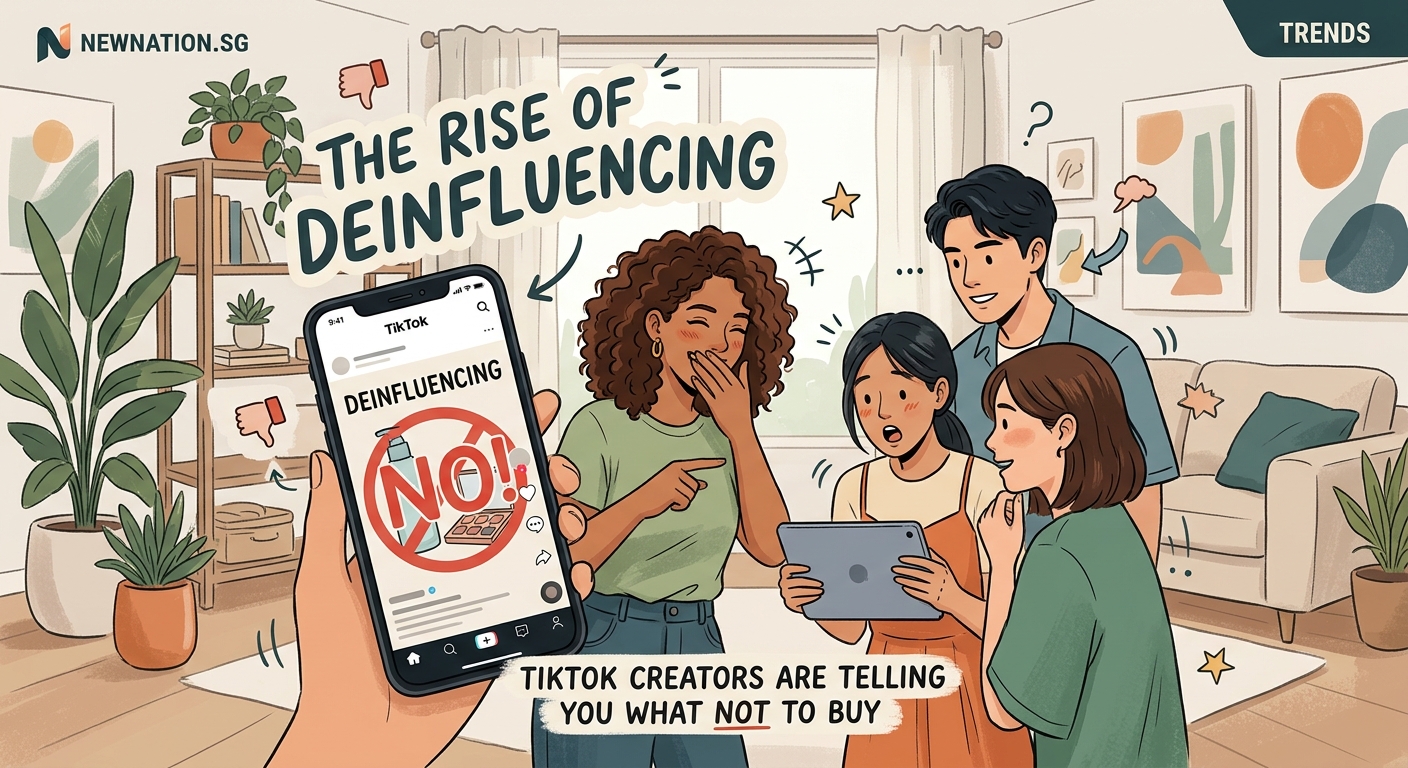
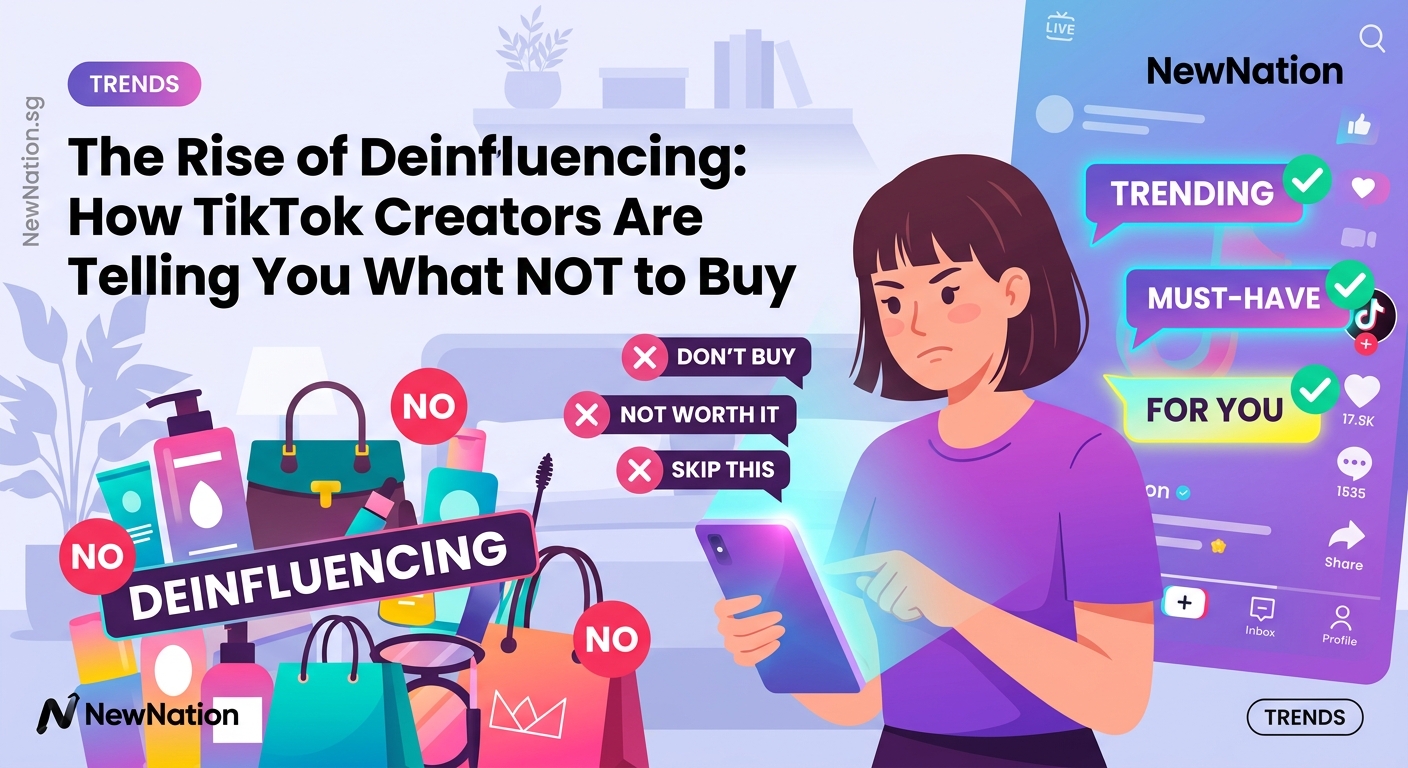
Scroll through TikTok for five minutes and you’ll notice something different. Creators aren’t just pushing products anymore. They’re actively warning you away from them. The deinfluencing TikTok trend has turned traditional influencer marketing upside down, with videos racking up millions of views as creators tell their audiences exactly what not to waste money on.
Deinfluencing represents a shift in creator culture where TikTokers actively discourage purchases instead of promoting them. This trend emerged as a response to [overconsumption](https://en.wikipedia.org/wiki/Overconsumption), misleading marketing, and influencer fatigue. Creators share honest reviews about overhyped products, often calling out items they previously promoted. The movement resonates particularly with [Gen Z](https://www.who.int/news-room/fact-sheets/detail/adolescent-mental-health) and millennials seeking authentic voices and sustainable shopping habits in an oversaturated digital marketplace.
What Makes Deinfluencing Different
Traditional influencing built an entire economy around endorsements. Creators got paid to showcase products, often with affiliate links and sponsorship deals sweetening the pot. The formula worked for years until audiences started noticing a pattern. Every product seemed amazing. Every brand deserved attention. The constant stream of recommendations began feeling less authentic and more like a sales pitch.
Deinfluencing flips this model completely. Creators now build trust by telling you what to skip. They share products that disappointed them, items that broke after one use, or hyped releases that didn’t live up to expectations. The honesty feels refreshing in a space saturated with sponsored content.
The trend gained serious momentum in early 2023, though its roots stretch back further. Frustrated shoppers had been calling out misleading product claims for years. TikTok’s format just gave the movement a megaphone. Short videos showing product failures, side-by-side comparisons with cheaper alternatives, and brutally honest reviews started going viral.
Why Creators Joined the Movement
Several factors pushed influencers toward this new approach:
- Audience trust eroded after years of obvious paid promotions
- Followers began questioning every recommendation and calling out inconsistencies
- The cost of living crisis made people more careful with spending
- Environmental concerns shifted consumer attitudes toward overconsumption
- Creators themselves felt burned by products they genuinely thought would work
Many deinfluencers started by addressing their own past mistakes. Beauty creators admitted that certain viral skincare products caused breakouts. Fashion influencers confessed that trendy clothing fell apart after one wash. Home organization experts revealed which storage solutions actually created more clutter.
This vulnerability resonated. Comment sections filled with appreciation for the honesty. Followers shared their own disappointments with the same products. The engagement often surpassed what creators got from traditional promotional content.
How the Trend Actually Works
Deinfluencing content follows recognizable patterns. Understanding these helps you spot genuine advice versus performative criticism.
- Creators identify a trending or heavily promoted product
- They share their personal experience using specific examples and evidence
- The video explains why the product failed expectations or who it might not work for
- Many suggest better alternatives at similar or lower price points
- Comment sections become forums where viewers share their own experiences
The best deinfluencing content doesn’t just tear products down. It educates viewers about marketing tactics, unrealistic expectations, and smarter shopping strategies. A creator might explain how lighting and filters make a product look better in ads than reality. Another might break down ingredient lists to show why a $60 serum contains the same active components as a $12 drugstore version.
“The deinfluencing trend shows that audiences value honesty over perfection. When creators admit mistakes or share what didn’t work, it builds deeper connections than any sponsored post ever could.”
Categories Getting the Most Pushback
Certain product types attract more deinfluencing content than others. The pattern reveals what industries relied most heavily on influencer hype versus actual quality.
| Product Category | Common Complaints | Why It Gets Deinfluenced |
|---|---|---|
| Viral beauty products | Causes skin reactions, doesn’t match results shown | Heavy influencer promotion created unrealistic expectations |
| Fast fashion hauls | Poor quality, unethical production, wasteful | Environmental concerns and items falling apart quickly |
| Kitchen gadgets | Single-use items, hard to clean, takes up space | Solves problems most people don’t actually have |
| Expensive skincare | Same ingredients as cheaper options, minimal results | Price doesn’t always correlate with effectiveness |
| Trendy home decor | Doesn’t fit real living spaces, impractical | Looks good in photos but fails in daily use |
Beauty and skincare dominate deinfluencing content. The category saw explosive influencer growth over the past decade, with new miracle products launching constantly. Many promised dramatic results that didn’t materialize for average users. Deinfluencers now regularly call out products with irritating ingredients, misleading before-and-after photos, or claims that defy basic science.
Fashion hauls also face heavy criticism. The rise of ultra-fast fashion brands coincided with influencer culture. Creators would showcase massive orders from brands shipping directly from overseas factories. The clothes often arrived looking nothing like the website photos. Quality issues became impossible to ignore. Deinfluencers started showing the reality: seams splitting, colors bleeding, fabrics pilling after one wear.
The Psychology Behind Why It Works
Deinfluencing taps into several psychological needs that traditional influencing often ignored.
People crave authenticity in digital spaces. After years of perfectly curated feeds and glowing reviews, audiences developed sharp skepticism. They wanted to see the messy reality behind the highlight reel. Deinfluencing delivers that authenticity by showing failures, mistakes, and honest disappointments.
The trend also addresses decision fatigue. Modern consumers face overwhelming choice. Every product category offers dozens of options, each claiming to be the best. Deinfluencing helps by eliminating options. Knowing what to avoid narrows the field and makes decisions easier.
There’s a community aspect too. Sharing product disappointments creates bonding moments. Comment sections on deinfluencing videos often read like support groups where people validate each other’s experiences. Someone who felt alone in disliking a hyped product discovers thousands of others felt the same way.
Financial anxiety plays a role as well. With inflation affecting budgets, people want to avoid wasting money. Deinfluencing content helps viewers dodge expensive mistakes before making purchases. The advice feels more valuable than traditional recommendations because it actively protects your wallet.
Criticism and Complications
Not everyone celebrates the deinfluencing trend. Valid concerns have emerged about how it functions and who it actually helps.
Some critics argue that deinfluencing is just influencing with extra steps. Creators still gain views, followers, and engagement from their content. Many who deinfluence one product immediately recommend another, often with affiliate links attached. The format changes but the underlying business model stays similar.
Brands have started pushing back too. Some argue that deinfluencing can be unfair when based on individual experiences that don’t reflect broader quality. A product that caused one person’s skin reaction might work perfectly for others. Presenting personal experience as universal truth can mislead audiences in the opposite direction.
There’s also a performance aspect that feels calculated. Some creators seem to deinfluence purely for engagement, choosing controversial takes on beloved products to generate views. The line between genuine advice and contrarian content creation blurs.
The trend can inadvertently promote more consumption too. When a creator deinfluences five products but recommends three alternatives, viewers might end up buying more than they would have otherwise. The focus shifts from “buy this instead” to “buy less overall” only in the most thoughtful deinfluencing content.
What Brands Are Learning
Companies initially panicked when deinfluencing videos about their products went viral. Negative reviews reaching millions of viewers seemed like a marketing nightmare. Some brands tried damage control through comment responses or sending replacement products to critical creators.
Smarter brands recognized the trend as valuable feedback. Deinfluencing videos often contain detailed explanations of what went wrong. That information helps companies improve products, adjust marketing claims, or better target appropriate audiences. A skincare brand might learn their product works great for oily skin but terribly for dry skin, allowing for more honest positioning.
The trend also pushed brands toward more authentic influencer partnerships. Instead of paying for guaranteed positive reviews, some now work with creators on honest review programs. The creator tries the product with no obligation to promote it. If they genuinely like it, they share that. If not, the brand gets private feedback without public criticism.
This shift benefits everyone. Audiences get more trustworthy recommendations. Creators maintain credibility. Brands build relationships with influencers who actually use and appreciate their products rather than those just collecting paychecks.
How to Spot Genuine Deinfluencing
Not all deinfluencing content offers equal value. Learning to distinguish helpful advice from engagement farming protects you from trading one form of manipulation for another.
Genuine deinfluencers typically share specific details about their experience. They explain exactly what went wrong, show evidence when possible, and acknowledge that experiences vary. They might say “this product caused me breakouts because of ingredient X, which can be irritating for sensitive skin” rather than just “this product is trash.”
Watch for balanced perspectives. Good deinfluencing acknowledges who a product might work for even while explaining why it didn’t work for them. A creator might say “if you have oily skin and love heavy coverage, you might like this, but for my dry skin it was a disaster.”
Check whether the creator offers context about their own preferences and needs. Someone deinfluencing a product should help you understand whether their experience relates to yours. Their skin type, budget, lifestyle, and priorities all matter when evaluating if their advice applies to you.
Be wary of creators who deinfluence everything. If someone hates every trending product, they might be contrarian for attention rather than genuinely helpful. The most trustworthy voices share both positive and negative experiences.
The Bigger Shift Happening
Deinfluencing represents more than a temporary trend. It signals a fundamental change in how younger consumers relate to marketing and consumption.
Gen Z and millennials grew up with influencer culture. They watched it evolve from genuine recommendations into a sophisticated marketing machine. The deinfluencing backlash shows they’re not passive recipients of advertising. They want relationships with creators built on trust rather than transactions.
This generation also faces unique economic pressures. Student debt, housing costs, and uncertain job markets make frivolous spending feel irresponsible. Deinfluencing aligns with their financial reality by promoting thoughtful consumption over impulse purchases.
Environmental awareness factors in heavily too. Climate anxiety pushes people toward sustainable choices. Deinfluencing often highlights the wastefulness of trend-chasing and fast fashion. It encourages buying less but better, choosing quality over quantity, and considering environmental impact.
The trend also reflects broader skepticism toward institutions and traditional authorities. Just as people question mainstream media and corporate messaging, they question influencer recommendations. Deinfluencing feels like creators joining their audience’s side rather than selling to them.
Making Deinfluencing Work for You
You don’t need to be a creator to benefit from the deinfluencing mindset. The principles behind the trend can improve your own shopping habits and relationship with social media.
Start by questioning your impulse purchases. When you see a product you suddenly want, pause and ask why. Did you need this item before seeing it? Will it actually improve your life or just clutter your space? The deinfluencing perspective helps you separate genuine needs from manufactured desire.
Follow creators who share your values around consumption. If you care about sustainability, seek out voices promoting mindful shopping. If you’re on a budget, find creators who focus on value and durability. Curating your feed intentionally means the content you see aligns with your goals.
Before major purchases, actively search for critical reviews alongside positive ones. Type the product name plus “honest review” or “is it worth it” to find balanced perspectives. Read comment sections where real users share experiences beyond the creator’s opinion.
Give yourself cooling-off periods for non-essential purchases. Save items to a wishlist and revisit after a week or month. If you still want the product after time passes, it’s more likely a considered choice than an impulse driven by clever marketing.
Where This Leaves Influencer Culture
The deinfluencing TikTok trend doesn’t spell the end of influencer marketing. It signals an evolution toward more sophisticated, trust-based relationships between creators and audiences.
Influencers who adapt will thrive by building reputations for honesty rather than constant promotion. Those who share both positive and negative experiences, who turn down partnerships that don’t align with their values, and who prioritize audience trust over short-term payouts will maintain relevance.
Brands will need to accept that authentic partnerships sometimes mean critical feedback. The companies willing to improve based on honest creator input will build stronger products and more loyal customers.
Audiences benefit most from this shift. The deinfluencing trend gives you tools to navigate consumer culture more thoughtfully. You can enjoy content from creators you trust while making smarter decisions about what deserves your money and what doesn’t.
The movement reminds us that consumption should serve our lives rather than define them. Every purchase represents a choice about what you value and how you want to live. Deinfluencing helps you make those choices more intentionally, with eyes wide open to marketing tactics and realistic expectations about what products can actually deliver.