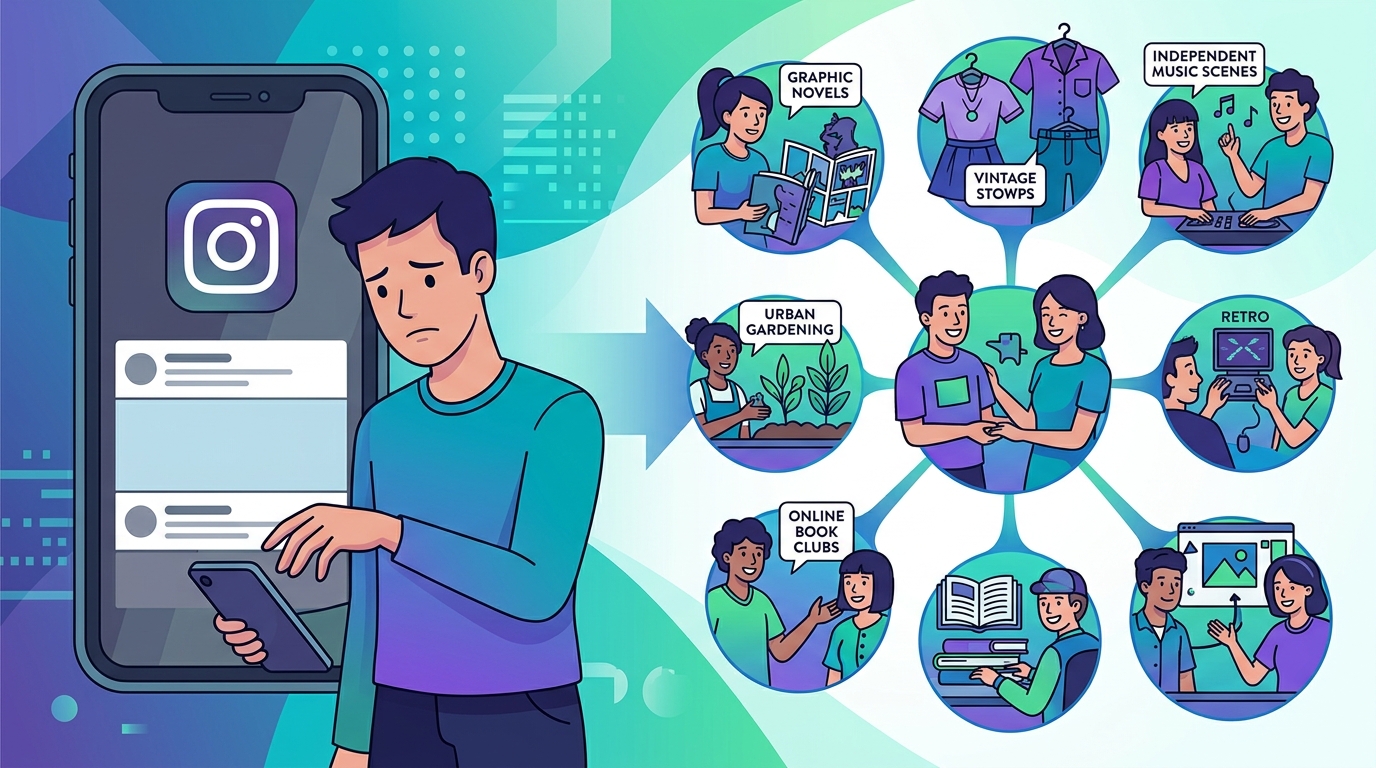
Social media used to be the place where everyone hung out. But something’s changed. Gen Z, the generation that grew up with smartphones in hand, is now walking away from the platforms their older siblings and parents still use daily.
Instagram feeds sit untouched. TikTok accounts go dormant. Snapchat streaks get broken without a second thought. This isn’t a temporary break or a digital detox trend. It’s a fundamental shift in how young people want to connect online.
Gen Z is abandoning mainstream social media platforms due to privacy concerns, mental health impacts, algorithm fatigue, and authenticity issues. They’re moving toward smaller, niche communities like Discord servers, private group chats, and specialized forums where they can control their experience, connect with like-minded people, and avoid the performative nature of traditional platforms. This shift represents a major challenge for marketers who must rethink their strategies.
The mental health crisis nobody wants to talk about
Gen Z watched millennials document their lives on Instagram. They saw the curated perfection, the endless scrolling, the comparison trap. And they decided they didn’t want that for themselves.
Studies show that Gen Z reports higher rates of anxiety and depression linked to social media use than any previous generation. They’re the first to grow up entirely in the smartphone era, and they’re also the first to recognize the toll it takes.
The constant pressure to post, to maintain an aesthetic, to rack up likes and comments feels exhausting. Every photo becomes a performance. Every caption needs to be clever. Every story needs to show you’re living your best life.
But here’s the thing: Gen Z can see through it. They know everyone’s highlighting reel is fake. They understand the algorithms are designed to keep them scrolling. And increasingly, they’re choosing to opt out.
Mental health awareness has become a defining characteristic of this generation. They talk openly about therapy, boundaries, and self-care. Leaving toxic social media platforms fits perfectly into this framework.
Privacy concerns that actually matter
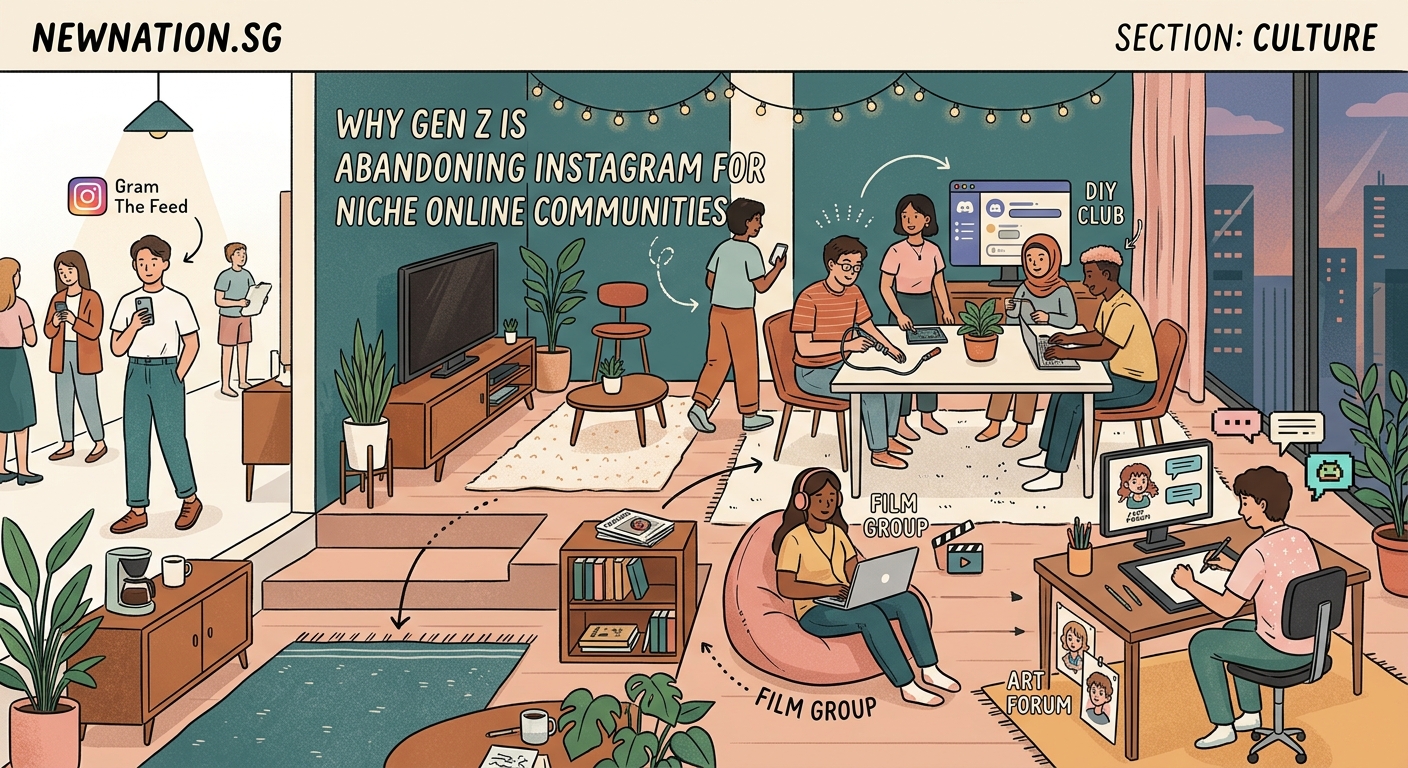
Gen Z grew up hearing about data breaches, targeted advertising, and companies selling user information. Unlike older generations who gradually learned about these issues, Gen Z never had the luxury of naivety.
They understand that every like, comment, and share becomes data. They know their location gets tracked. They’ve seen the news stories about Cambridge Analytica and other scandals. This knowledge shapes their behavior.
Traditional social media platforms require you to build a public profile. Your name, your face, your interests, your connections all become part of a massive data collection system. Gen Z increasingly sees this as a bad trade.
Private messaging apps and closed communities offer something different. You can participate without broadcasting your entire life to the world. You can connect without feeding the algorithm machine.
| Platform Type | Data Collection | User Control | Gen Z Preference |
|---|---|---|---|
| Mainstream Social Media | Extensive tracking, public profiles, algorithmic feeds | Limited, platform-controlled | Declining |
| Private Communities | Minimal tracking, closed groups, chronological feeds | High, user-controlled | Growing |
| Messaging Apps | Encrypted conversations, selective sharing | Very high, user-defined | Increasing |
The algorithm killed authentic connection
Remember when social media showed you posts from people you actually followed? Those days are gone. Now your feed gets controlled by an algorithm that prioritizes engagement over everything else.
Gen Z notices this. They follow friends but see content from brands, influencers, and accounts they never asked for. The algorithm decides what they should see based on what keeps them scrolling longest.
This creates a frustrating experience. You can’t have a genuine conversation when the platform keeps interrupting with sponsored posts and suggested content. You can’t maintain real friendships when you only see updates from people the algorithm thinks will make you engage.
Smaller communities solve this problem. Discord servers show messages chronologically. Group chats don’t inject ads between conversations. Reddit communities let you choose exactly what you want to see.
The shift toward these platforms represents a rejection of algorithmic control. Gen Z wants to decide who they hear from and when. They want conversations, not content optimization.
Influencer culture reached its breaking point
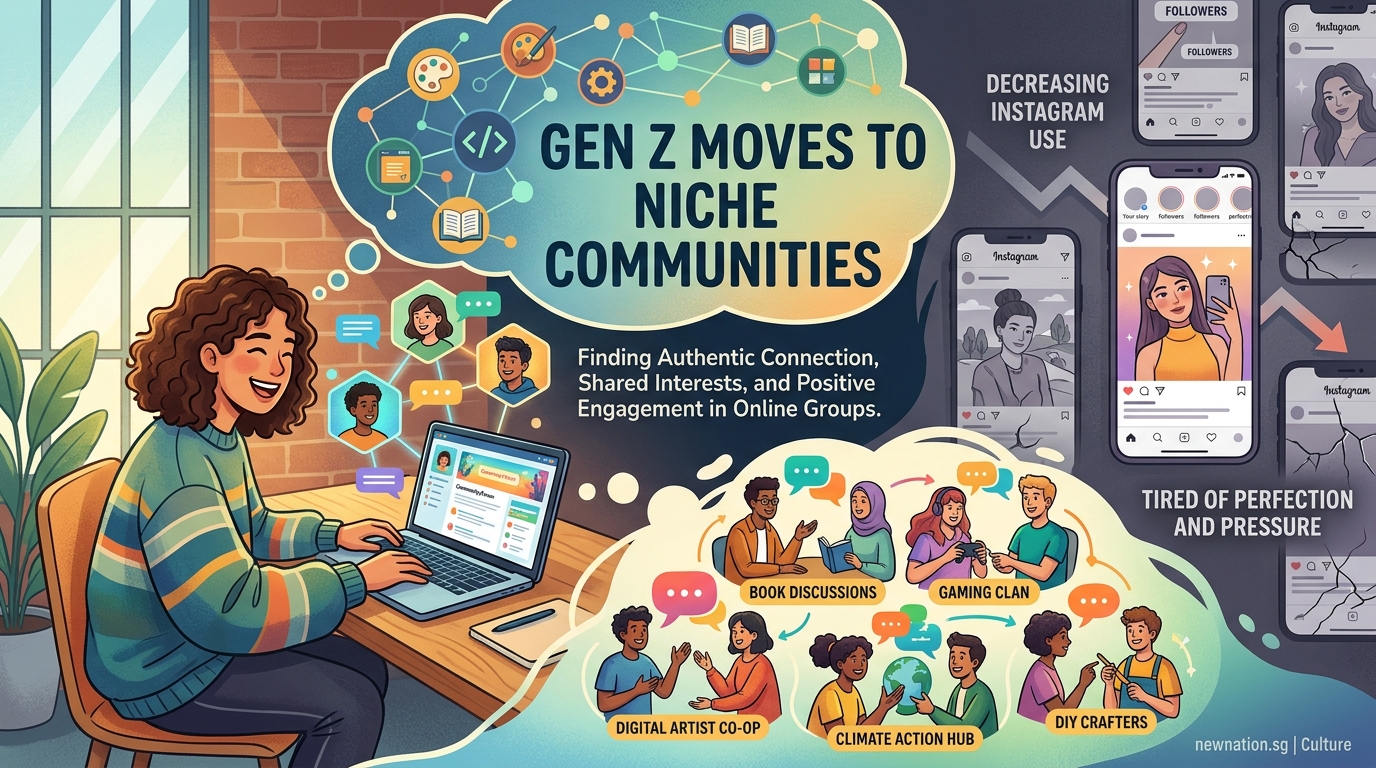
The influencer economy promised authenticity. Real people sharing real lives. But it quickly became another form of advertising, just with better production values.
Gen Z watched influencers become brands. They saw authentic creators turn into walking advertisements. They noticed the subtle product placements, the sponsored posts disguised as personal recommendations, the carefully crafted personas designed to sell.
The backlash was inevitable. When everything becomes content and everyone becomes a brand, nothing feels genuine anymore. Gen Z craves real connection, not another sales pitch.
“We can tell when someone’s being real and when they’re performing for the camera. And honestly, we’re tired of the performance. We just want to talk to people who get us without trying to sell us something.” – 19-year-old college student
This quote captures something essential about the generational shift. Gen Z values authenticity above almost everything else. When social media stopped providing that, they started looking elsewhere.
Where Gen Z is actually spending time online
Understanding why Gen Z is leaving social media means understanding where they’re going instead. The answer might surprise marketers who assume young people are abandoning online spaces altogether.
They’re not offline. They’re just somewhere else.
Discord and specialized servers
Discord started as a platform for gamers but evolved into something much bigger. Gen Z uses it for study groups, hobby communities, friend circles, and interest-based gatherings.
The appeal is simple. You join servers about topics you care about. You talk to people who share your interests. You control your notifications and participation level. No algorithm decides what you see.
Private group chats
WhatsApp groups, iMessage threads, and Telegram channels replace public social media feeds. Gen Z shares memes, makes plans, and stays connected through these private channels.
The key difference: these conversations happen with people they actually know and trust. No strangers, no brands, no influencers trying to sell them something.
Niche online forums
Reddit communities, specialized forums, and interest-based platforms attract Gen Z users looking for genuine expertise and discussion. These spaces prioritize knowledge sharing over personal branding.
You can participate anonymously or semi-anonymously. Your value comes from what you contribute, not how many followers you have. This appeals to a generation tired of the popularity contest.
Interest-based apps
Apps focused on specific activities, reading, gaming, learning, or creating attract Gen Z users. Goodreads for book lovers, Strava for runners, Letterboxd for film fans. These platforms serve a purpose beyond just socializing.
They offer community without the pressure of maintaining a personal brand across multiple platforms.
What this means for marketing strategies
If you’re trying to reach Gen Z, your old playbook won’t work anymore. The strategies that worked on Instagram and Facebook need complete rethinking.
Here’s what actually matters now:
-
Find where your audience actually gathers. Don’t assume they’re on mainstream platforms. Research the specific communities and spaces relevant to your industry.
-
Prioritize value over visibility. Gen Z responds to brands that provide genuine value, whether that’s education, entertainment, or utility. They ignore brands that just want attention.
-
Respect privacy and boundaries. Don’t try to infiltrate private spaces. Don’t collect unnecessary data. Be transparent about how you use information.
-
Build communities, not audiences. Create spaces where people can connect with each other, not just consume your content. Facilitate conversation rather than broadcasting messages.
-
Embrace authenticity completely. Gen Z has a finely tuned detector for corporate speak and fake relatability. Be real or don’t bother trying.
The role of parents and educators
Parents and educators watching this shift often feel concerned. Is Gen Z isolating themselves? Are they missing out on important social connections?
The answer is more nuanced than yes or no. Gen Z isn’t abandoning social connection. They’re redefining what healthy online interaction looks like for them.
Understanding this distinction matters. The goal isn’t to push young people back onto platforms that harm their mental health. It’s to support them in building meaningful connections wherever those happen.
Some practical considerations:
-
Talk about online spaces without judgment. Ask what communities they’re part of and why they prefer them over traditional social media.
-
Recognize that different platforms serve different needs. A Discord server for studying isn’t the same as endless Instagram scrolling.
-
Focus on behavior patterns, not specific platforms. The concern should be about healthy usage, not which app they’re using.
-
Model healthy digital boundaries yourself. Young people learn more from what adults do than what they say.
The business implications nobody’s prepared for
Companies built entire marketing departments around social media platforms. They hired influencers, created content calendars, and measured success in likes and shares.
Now they face a fundamental problem. Their target audience is leaving, and the old metrics don’t matter anymore.
This creates several challenges:
-
Attribution becomes harder. When conversations happen in private communities, tracking marketing impact gets more difficult.
-
Influencer partnerships lose effectiveness. Gen Z scrolls past sponsored content or avoids platforms where it’s prevalent.
-
Brand building requires different approaches. You can’t build awareness through paid social ads if your audience isn’t seeing them.
-
Community management takes center stage. Brands need to facilitate genuine communities rather than just broadcasting messages.
The companies that adapt fastest will win. Those clinging to old strategies will watch their Gen Z engagement continue declining.
Research and data challenges
Researchers and analysts face their own set of problems. How do you study behavior that happens in private spaces? How do you measure engagement that doesn’t leave public traces?
Traditional social media research relied on publicly available data. You could analyze posts, track trends, and measure sentiment. Private communities don’t offer the same access.
This means research methodologies need updating. Surveys, interviews, and ethnographic approaches become more valuable. Quantitative data becomes harder to gather at scale.
For academics studying digital behavior, this shift represents both a challenge and an opportunity. Understanding how Gen Z builds community in private spaces offers insights into the future of online interaction.
The comeback of older internet culture
Interestingly, Gen Z’s preferences mirror early internet culture in some ways. Before social media centralized everything, the internet was a collection of forums, chat rooms, and niche communities.
You had usernames instead of real names. You joined communities based on interests rather than broadcasting to everyone you knew. Anonymity was normal, not suspicious.
Gen Z is rediscovering these patterns, but with modern technology and lessons learned from social media’s failures. They want the community aspects without the surveillance capitalism.
This represents a kind of cyclical return. The internet started as a collection of small communities, became dominated by massive platforms, and now fragments again into specialized spaces.
Making sense of the generational divide
Millennials often struggle to understand why Gen Z is abandoning platforms they still use daily. The generational divide isn’t about technology literacy. It’s about different experiences and values.
Millennials adopted social media as young adults. They remember life before smartphones. Social media felt like an enhancement to existing social structures.
Gen Z never knew that world. They grew up watching social media’s negative effects play out in real time. They saw the mental health impacts, the privacy violations, the fake authenticity.
Their rejection of mainstream platforms isn’t rebellion. It’s a rational response to systems that don’t serve them well.
What comes next for digital connection
Predicting the future is always risky, but some trends seem clear. The movement toward private, niche communities will likely continue and accelerate.
We might see new platforms emerge that combine the community features Gen Z wants with better privacy and user control. Existing platforms might adapt, though their business models make real change difficult.
The broader implication: the era of universal social media platforms might be ending. Instead of everyone using the same few apps, we’ll see fragmentation into countless specialized spaces.
This creates both opportunities and challenges. Opportunities for new platforms that serve specific needs better. Challenges for anyone trying to reach broad audiences.
Rethinking connection in the digital age
Gen Z leaving social media isn’t a crisis. It’s a correction.
The generation that grew up most saturated in digital connection is teaching everyone else important lessons about healthy online boundaries, authentic community, and the value of privacy. They’re showing that you don’t need to broadcast your life to stay connected.
For marketers, this means getting creative. For parents, it means listening without judgment. For researchers, it means developing new methods. For everyone, it means recognizing that social media as we knew it is changing fundamentally.
The young people leading this shift aren’t rejecting technology or connection. They’re demanding better versions of both. That’s not something to fear. It’s something to learn from.