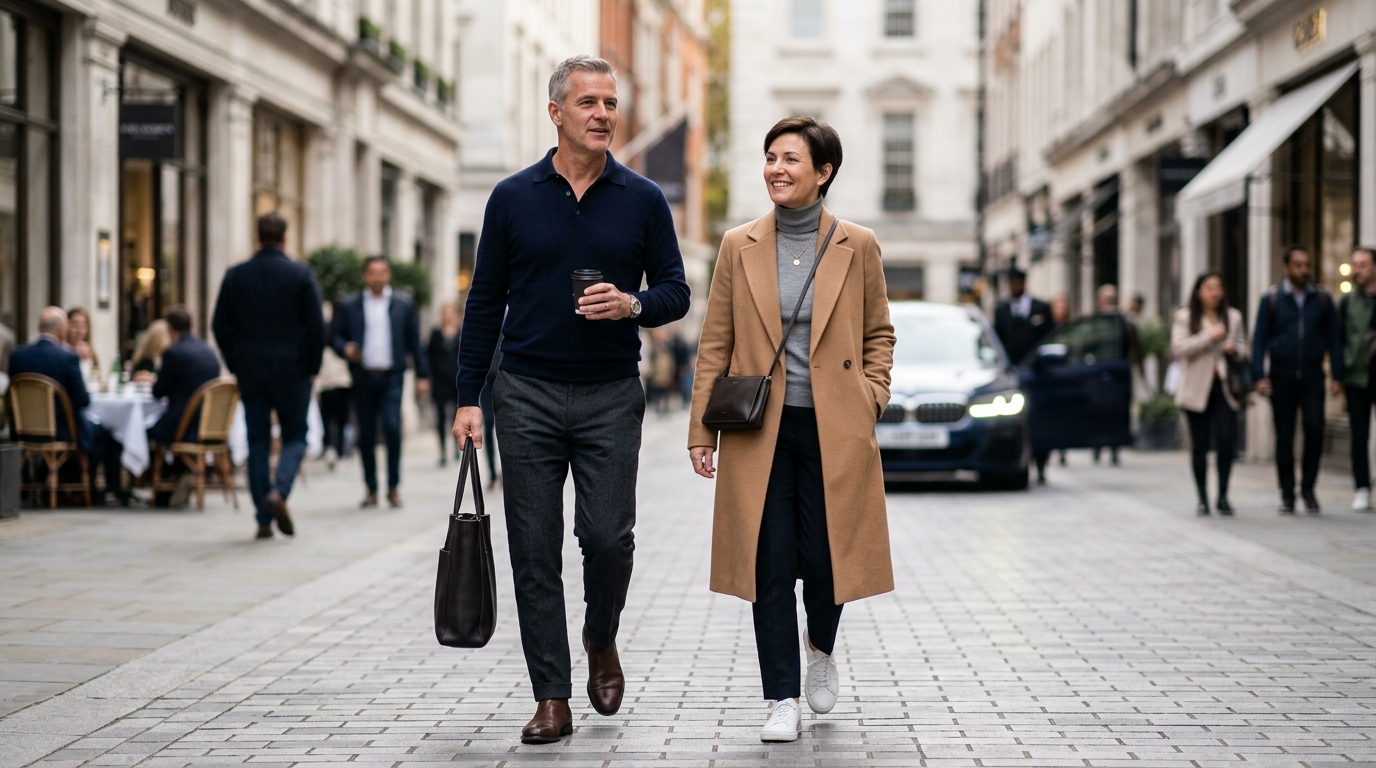
The wealthy used to wear their money. Giant logos, flashy jewelry, designer bags covered in monograms. Now something strange is happening. Billionaires look like they shop at the same stores as everyone else. Their clothes whisper instead of shout. This shift has a name: quiet luxury. And it’s changing how we think about status, style, and what it means to dress well.
The quiet luxury trend represents a shift from logo-heavy designer pieces to understated, high-quality clothing. Wealthy individuals now favor minimalist designs, superior craftsmanship, and subtle status signals over flashy branding. This movement reflects changing cultural values around wealth display, sustainability, and authentic personal style. Understanding this trend helps fashion-conscious consumers make smarter wardrobe choices that prioritize quality over [conspicuous consumption](https://en.wikipedia.org/wiki/Conspicuous_consumption).
What Makes Quiet Luxury Different From Regular Luxury
Traditional luxury screams for attention. Gucci belts with double G logos. Louis Vuitton bags plastered with monograms. Versace prints visible from across the street. These pieces announce your wealth to anyone within eyeshot.
Quiet luxury takes the opposite approach. The clothes look simple. Almost boring at first glance. But look closer and you’ll notice the difference. The cashmere feels impossibly soft. The stitching is perfect. The fit is immaculate. The fabric drapes in a way that cheap materials never could.
This style relies on three core principles:
- Superior materials that feel luxurious but look understated
- Impeccable tailoring and construction that lasts decades
- Minimal or no visible branding
- Classic designs that won’t look dated next season
- Neutral color palettes dominated by beige, navy, white, and gray
The price tags remain astronomical. A plain-looking sweater might cost $2,000. But you’d never know by looking at it. That’s the point.
Why Billionaires Abandoned Logos
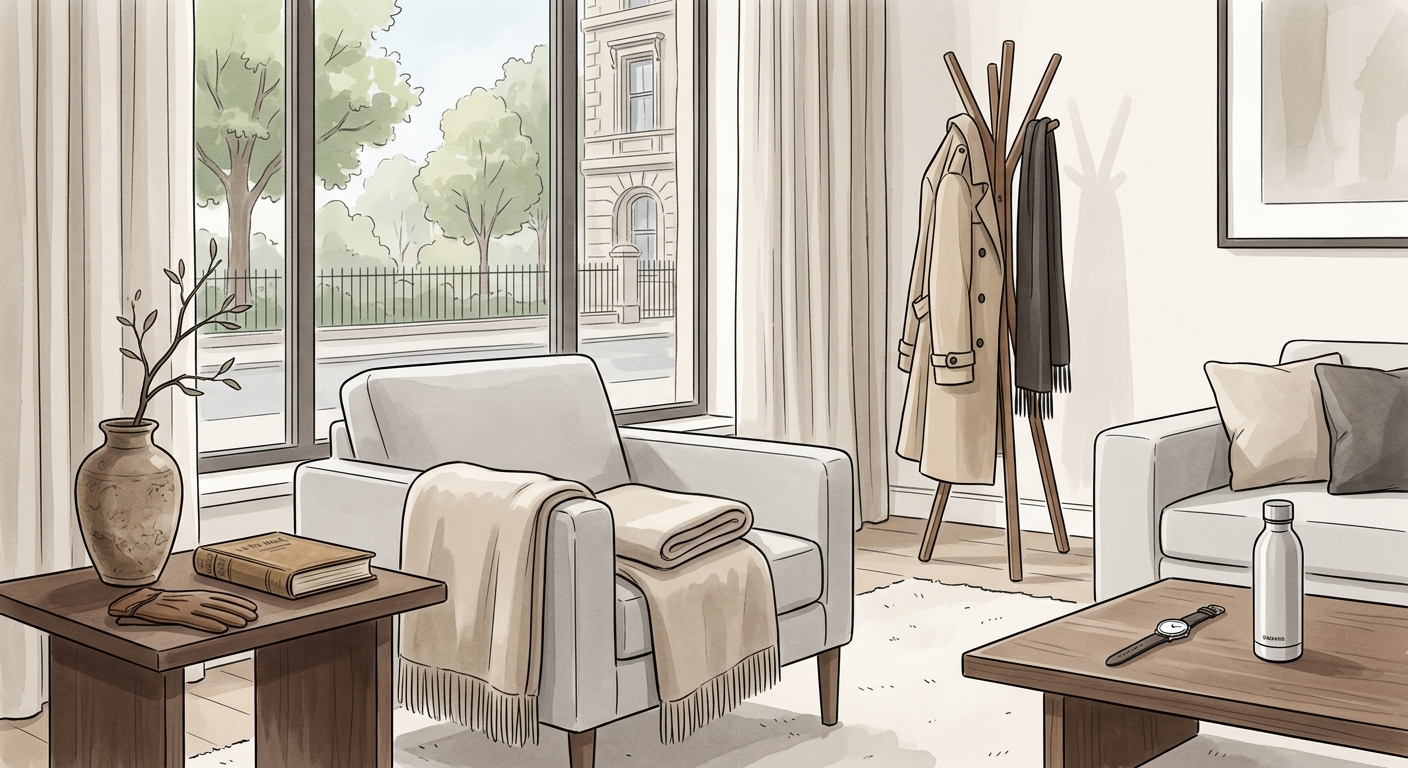
Several forces pushed the ultra-wealthy away from flashy fashion. Social media played a surprising role. When everyone can broadcast their lives online, conspicuous consumption started feeling tacky. Posting photos of your Hermès bag collection began looking more insecure than impressive.
The rise of tech billionaires accelerated this shift. Mark Zuckerberg wore hoodies. Steve Jobs had his black turtleneck. These founders built massive fortunes while dressing like college students. Their casual style became aspirational.
Economic anxiety changed the optics too. Flaunting wealth during recessions, pandemics, and growing inequality feels tone-deaf. Dressing down became a form of social camouflage. Wealthy people could move through the world without advertising their bank accounts.
Counterfeiting also played a role. When every mall kiosk sells fake designer bags, the real ones lose their signaling power. If everyone carries a Louis Vuitton bag (real or fake), it stops being an effective status symbol.
“True luxury is being able to spend $5,000 on a coat and having nobody know you spent $5,000 on a coat. That’s the ultimate flex now.” – Fashion industry analyst
The Brands Leading The Movement
Certain brands embody quiet luxury better than others. These labels rarely advertise. You won’t see their logos on billboards. They don’t sponsor celebrities. They just make exceptional clothes for people who know.
Loro Piana sits at the top of this hierarchy. Their cashmere comes from Mongolian goats. Their fabrics are legendary. A simple Loro Piana baseball cap costs $500. It looks like something from a gas station. But it feels like wearing a cloud.
Brunello Cucinelli builds entire collections around neutral tones and perfect proportions. The Italian brand focuses on craftsmanship and ethical production. Their clothes look effortless but cost more than most people’s monthly rent.
The Row, created by Mary-Kate and Ashley Olsen, defines American quiet luxury. Clean lines. Luxurious fabrics. Zero logos. Pieces that work for decades.
Here’s how quiet luxury brands differ from traditional luxury houses:
| Aspect | Traditional Luxury | Quiet Luxury |
|---|---|---|
| Branding | Visible logos and patterns | No external branding |
| Marketing | Celebrity endorsements, ads | Word of mouth, exclusivity |
| Design | Trendy, statement pieces | Timeless, minimalist |
| Price point | $500 to $5,000 | $1,000 to $10,000+ |
| Target customer | Aspirational buyers | Established wealthy |
How To Spot Quiet Luxury In The Wild
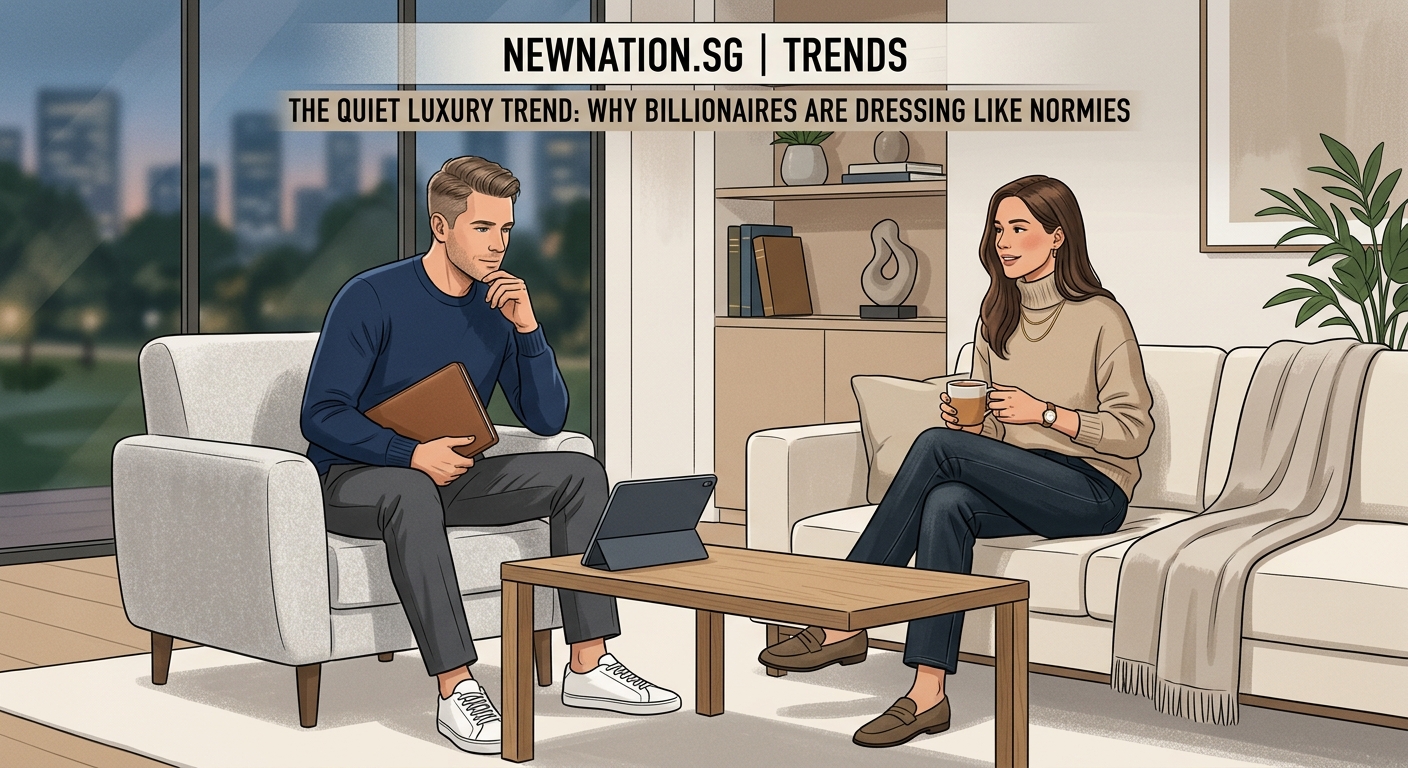
Identifying quiet luxury takes practice. The clothes don’t announce themselves. But certain details give them away.
Look at the fabric first. Quiet luxury pieces use materials that simply feel different. Cashmere that’s impossibly soft. Cotton so fine it almost shines. Wool that drapes like silk. These fabrics cost more to source and require skilled handling during production.
Check the construction. Turn the garment inside out. Are the seams perfectly aligned? Is the lining as beautiful as the exterior? Quiet luxury items are finished with the same care on parts nobody sees.
Notice the fit. These clothes are often custom tailored or come from brands that offer extensive alterations. They follow the body’s lines without clinging. They move naturally. They never pull or bunch.
Pay attention to details. Buttons made from real horn or mother of pearl. Hand-stitched buttonholes. Perfectly matched patterns at the seams. These small touches add hours to production time but create a superior final product.
The Succession Effect
The HBO show Succession turned quiet luxury into a cultural phenomenon. Costume designer Michelle Matland dressed the Roy family in Loro Piana, Brunello Cucinelli, and The Row. Viewers noticed. They wanted to dress like fictional billionaires.
Searches for “Loro Piana baseball cap” spiked after episodes aired. The show’s influence extended beyond specific brands. It made understated dressing aspirational. Suddenly, looking boring became the ultimate status symbol.
Kendall Roy’s simple cashmere hoodies became iconic. Shiv Roy’s neutral toned blazers inspired countless Pinterest boards. Tom Wambsgans’ perfectly tailored suits showed how quiet luxury works for men.
The show demonstrated something important. Quiet luxury isn’t about individual pieces. It’s about a complete aesthetic. Everything works together. Nothing screams for attention. The overall effect communicates wealth more effectively than any logo could.
How Normal People Adapted The Trend
You don’t need a trust fund to embrace quiet luxury principles. The core ideas translate to any budget. Focus on quality over quantity. Choose classic styles over trends. Invest in pieces that last.
Here’s how to build a quiet luxury inspired wardrobe on a realistic budget:
-
Start with basics in neutral colors. A perfect white t-shirt matters more than a trendy jacket. Find brands that fit your body well and stick with them.
-
Prioritize natural materials. Cotton, wool, linen, and silk wear better than synthetics. They look better over time. Buy fewer pieces in better fabrics.
-
Get your clothes tailored. A $50 pair of pants that fits perfectly looks better than $500 pants that don’t. Find a good tailor and use them regularly.
-
Remove visible branding. Take off logo patches. Choose pieces without obvious designer marks. Let the quality speak for itself.
-
Build a capsule wardrobe. Fewer pieces that all work together. Everything should match everything else. This makes getting dressed easier and looks more cohesive.
-
Care for your clothes properly. Dry clean when needed. Store things correctly. Repair instead of replacing. Quality items last decades with proper care.
The goal isn’t to look expensive. It’s to look put together. To have clothes that fit well, feel good, and work for your life.
The Criticism And Backlash
Not everyone celebrates quiet luxury. Critics argue it’s just another way for wealthy people to feel superior. Instead of obvious logos, they use insider knowledge as a status symbol. You need to know which plain sweater costs $2,000. That knowledge becomes the new exclusivity.
Some see quiet luxury as performative modesty. Billionaires dressing down while maintaining extreme wealth feels dishonest. It’s wealth cosplay. They can afford to look “normal” because they’re so secure in their status.
The trend also raises accessibility concerns. At least with logo luxury, you could buy a single designer piece and participate. Quiet luxury requires an entire wardrobe overhaul. You need multiple expensive pieces to achieve the aesthetic. That makes it more exclusive, not less.
Environmental advocates point out that any trend encouraging consumption has problems. Quiet luxury might promote quality over quantity, but it still involves buying new things. True sustainability means wearing what you already own.
Others argue quiet luxury is just another trend that will fade. Fashion moves in cycles. Loud logos will return. Maximalism always follows minimalism. Treating quiet luxury as some permanent shift misses how fashion works.
The Psychology Behind Understated Wealth
Quiet luxury taps into deeper psychological needs. Humans constantly signal status to each other. But the most effective signals change based on cultural context.
In societies with extreme inequality, the wealthy often downplay their status. They don’t want to become targets. Dressing like everyone else provides safety and anonymity. This explains why quiet luxury emerged as wealth concentration increased.
The trend also reflects confidence. Secure people don’t need external validation. They know their worth without announcing it. Quiet luxury becomes a way to signal this security. It says “I’m so wealthy I don’t need to prove it.”
There’s also an element of taste signaling. Quiet luxury suggests you’re sophisticated enough to value quality over flash. You understand craftsmanship. You appreciate subtlety. This positions you as culturally refined, not just rich.
The movement toward minimalism in general supports quiet luxury. People are tired of clutter, both physical and visual. Clean lines and simple designs feel calming. Quiet luxury aligns with broader cultural movements toward mindfulness and intentional living.
Common Mistakes People Make
Trying to adopt quiet luxury often goes wrong. Here are the pitfalls to avoid:
Confusing boring with understated. Quiet luxury still requires style. A plain gray sweatshirt isn’t quiet luxury. It’s just plain. The pieces should be simple but beautifully made and perfectly fitted.
Buying poor quality basics. A cheap white t-shirt doesn’t become quiet luxury just because it lacks logos. The quality difference between a $10 shirt and a $100 shirt is obvious when you wear them. If you can’t afford the expensive version, that’s fine. But don’t pretend they’re equivalent.
Neglecting fit. Quiet luxury demands perfect proportions. Clothes should skim the body without being tight. They should move naturally. If something doesn’t fit right, tailor it or don’t wear it.
Mixing quality levels. Pairing one expensive piece with obviously cheap items looks off. The quality difference becomes more apparent, not less. Build your wardrobe gradually so everything exists at a similar level.
Overthinking it. Quiet luxury should look effortless. If you’re constantly worried about whether your outfit is “quiet luxury enough,” you’ve missed the point. Wear what fits well and makes you feel confident.
What This Means For The Future Of Fashion
The quiet luxury trend signals broader changes in how we think about status and consumption. Younger generations care more about sustainability and less about traditional status symbols. They’d rather spend money on experiences than things. When they do buy things, they want them to last.
This creates pressure on traditional luxury brands. Companies built on logo recognition struggle when logos fall out of favor. Some are adapting by creating “stealth wealth” lines with minimal branding. Others double down on maximalism, betting the pendulum will swing back.
The rise of resale and vintage markets supports quiet luxury principles. Well-made clothes from decades ago still look current because the designs are classic. This makes buying vintage more appealing than chasing trends.
Technology might disrupt quiet luxury too. As people spend more time in digital spaces, physical clothing matters less. Why invest in a $3,000 sweater for Zoom calls? This could push quiet luxury even further toward special occasion dressing.
The trend might also democratize over time. As more affordable brands adopt quiet luxury principles, the aesthetic becomes accessible. Fast fashion copies everything eventually. We might reach a point where everyone dresses in minimalist neutrals, making it meaningless as a status signal.
Making It Work For Your Life
Quiet luxury principles can improve anyone’s wardrobe, regardless of budget. The key is adapting the concepts to your reality.
Start by auditing what you own. What pieces do you wear constantly? What sits untouched? The items you reach for repeatedly reveal your actual style, not what you think your style should be. Build from there.
Invest strategically. You can’t afford to replace everything with premium versions. That’s fine. Choose one category to upgrade. Maybe it’s jeans. Maybe it’s shoes. Buy the best you can afford in that category. Wear them until they fall apart. Then you’ll understand if the investment was worth it.
Learn basic garment care. Most people destroy their clothes through improper washing and storage. Read care labels. Use gentle detergents. Hang things that should be hung. Fold things that should be folded. This makes even inexpensive clothes last longer and look better.
Develop your eye. Visit high-end stores even if you can’t buy anything. Touch the fabrics. Try things on. Notice how quality pieces feel different. This trains you to spot good construction and materials at any price point.
Remember that confidence matters more than cost. The most stylish people wear their clothes with ease. They’re comfortable in their skin. That matters more than whether their sweater cost $50 or $5,000.
Why This Trend Matters Beyond Fashion
Quiet luxury represents a broader cultural shift in how we signal success. For decades, conspicuous consumption defined achievement. You bought the biggest house, the flashiest car, the most recognizable brands. That’s changing.
Now success increasingly means having choices. The freedom to work remotely. Time with family. Experiences over possessions. Quiet luxury aligns with these values. It’s about having quality things without those things defining you.
This shift affects industries beyond fashion. Real estate sees similar trends, with wealthy buyers choosing understated homes over McMansions. Cars are trending toward subtle luxury (Tesla Model S) over flashy sports cars. Even watches are going more minimal.
The movement also reflects anxiety about inequality. As the gap between rich and poor widens, the wealthy become more conscious about displaying their status. Quiet luxury lets them maintain their lifestyle while avoiding uncomfortable conversations about wealth distribution.
Understanding quiet luxury helps you make better choices about your own consumption. It encourages thinking about quality, longevity, and personal style over trends and status seeking. Those principles improve your life whether you’re shopping at Loro Piana or Target.
The quiet luxury trend will evolve. Fashion always does. But the underlying ideas about quality, craftsmanship, and understated elegance remain valuable. They push back against disposable culture and mindless consumption. That matters for everyone, not just billionaires trying to blend in.