
You scroll through Instagram and see an account with 50,000 followers posting makeup tutorials. The username is perfect. The engagement looks real. But three months ago, this same account was selling gardening tools to a completely different audience.
Welcome to the shadowy world of account trading.
Buying and selling social media accounts has become a multi-million dollar underground industry. Sellers profit from established follower bases, while buyers gain instant credibility and reach. This practice violates most platform terms of service, carries significant risks including account bans and fraud, and raises ethical questions about authenticity in [digital marketing](https://www.ftc.gov/business-guidance/resources/disclosures-101-social-media-influencers). Understanding how this market operates helps professionals protect their brands and make informed decisions.
Why people buy established accounts
Starting from zero followers is brutal.
You post consistently for months. You engage with others. You use hashtags. And maybe, just maybe, you hit 500 followers by month three.
Some people don’t have that kind of patience.
Buying an account with an existing audience offers an immediate shortcut. A Twitter account with 20,000 followers can be repurposed for a new brand launch. An Instagram page with high engagement becomes a marketing channel overnight.
The reasons vary:
- Brand launches need instant social proof to appear credible
- Influencer wannabes skip years of grinding for followers
- Businesses acquire competitors’ audiences during mergers
- Marketers test campaigns without building from scratch
- Scammers use established accounts to appear legitimate
The appeal is obvious. Social media success often depends on perception. An account with thousands of followers looks more trustworthy than one with 47.
How the marketplace actually works
This isn’t happening on official app stores.
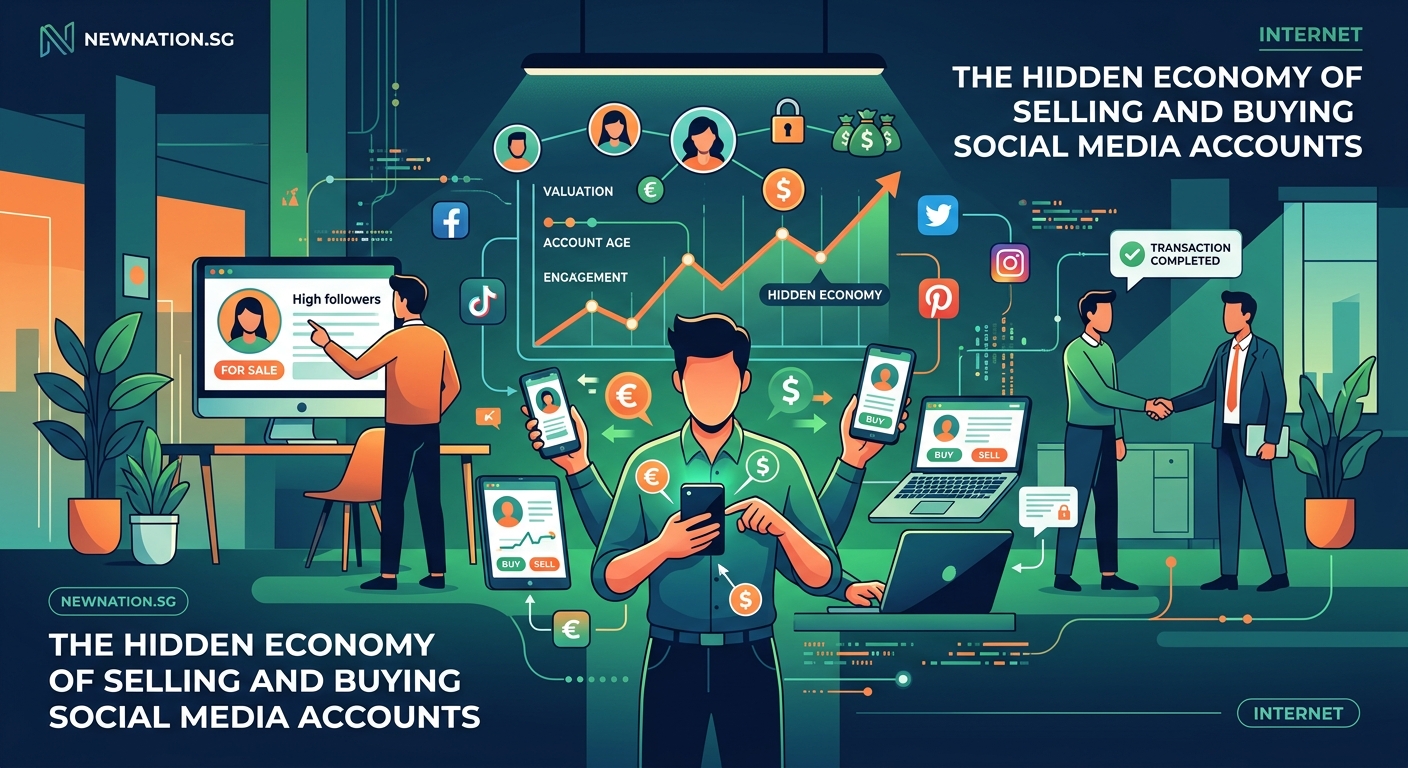
The buying and selling of social media accounts happens in online forums, dedicated marketplaces, and private Discord servers. Some websites openly list accounts for sale, complete with follower counts, engagement rates, and asking prices.
Prices vary wildly based on several factors:
| Account Feature | Low Value | High Value |
|---|---|---|
| Follower count | Under 5,000 | Over 100,000 |
| Engagement rate | Below 1% | Above 5% |
| Niche specificity | Generic lifestyle | Targeted industry |
| Account age | Under 1 year | Over 5 years |
| Verification status | Unverified | Blue checkmark |
| Platform | Smaller networks | Instagram, Twitter, TikTok |
A generic Instagram account with 10,000 followers might sell for $200. A verified Twitter account in the cryptocurrency niche could fetch $5,000 or more.
The transaction process typically follows these steps:
- Seller lists the account with screenshots showing analytics and follower demographics
- Buyer vets the account by checking for fake followers and engagement patterns
- Negotiation happens through encrypted messaging or marketplace escrow
- Payment is made via PayPal, cryptocurrency, or platform escrow services
- Account credentials transfer including email access and two-factor authentication
- Buyer changes all security details to prevent seller from reclaiming access
Escrow services exist specifically for this market. They hold payment until the buyer confirms they have full account control.
The platforms being traded most
Not all social media accounts hold equal value.
Instagram dominates the marketplace. Visual content performs well for brands, and follower counts directly impact perceived influence. Accounts in fashion, fitness, travel, and lifestyle niches command premium prices.
Twitter accounts matter for thought leadership. A profile with engaged followers in tech, finance, or politics can be worth thousands. Verified accounts are especially valuable since Twitter (now X) made verification harder to obtain.
TikTok accounts have exploded in value recently. A creator account with 100,000 followers and consistent video views can sell for serious money. The algorithm favors established accounts, making them attractive purchases.
YouTube channels with monetization enabled are goldmines. Ad revenue potential makes these accounts investment opportunities. Buyers can repurpose content or continue the existing format.
Facebook pages and groups still trade hands, though less frequently than before. Business pages with high engagement in specific local markets remain valuable.
LinkedIn accounts get bought too, usually for B2B marketing or lead generation. Premium accounts with extensive networks in specific industries cost more.
Red flags that scream fake value
Not every account for sale is legitimate.
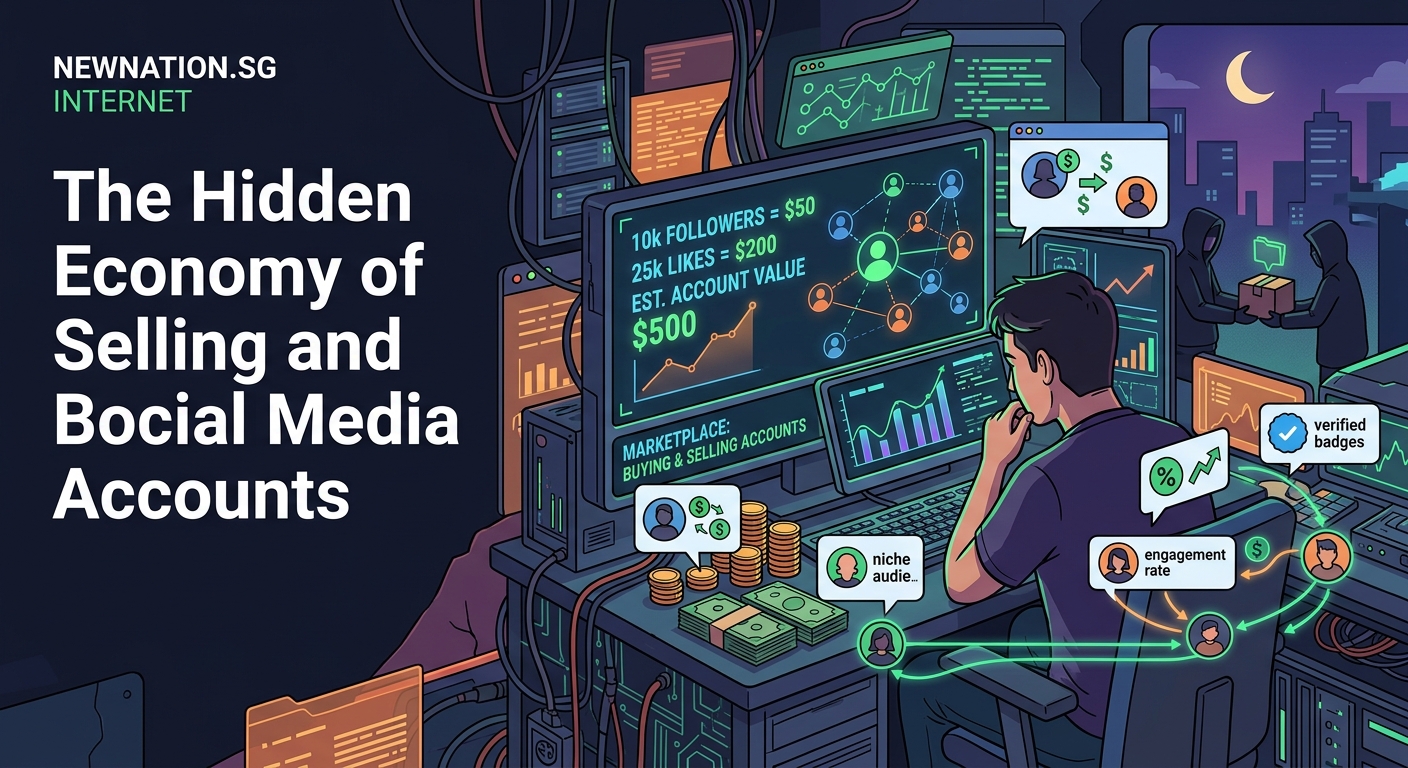
Fake followers are the most common scam. Sellers inflate numbers using bot services, making accounts appear more valuable than they are. A profile with 30,000 followers but only 50 likes per post is suspicious.
Check these warning signs before buying:
- Sudden follower spikes visible in growth charts
- Comments filled with generic emoji responses
- Followers from countries unrelated to the content niche
- Engagement rates below 1% on accounts under 50,000 followers
- Recently deleted posts that might hide poor performance
- Usernames that were recently changed
“I bought an Instagram account with 25,000 followers for my clothing brand. Within two weeks, I lost 8,000 followers. They were all bots. The engagement was nonexistent. I basically paid $800 for nothing.” – Anonymous digital marketer
Some sellers use engagement pods to artificially boost metrics. These are groups that agree to like and comment on each other’s posts. The numbers look good, but the audience has zero interest in your actual content.
Account recovery scams happen too. A seller transfers credentials but keeps backup email access. After payment clears, they reclaim the account through password recovery.
Legal and ethical landmines
Here’s the uncomfortable truth: buying and selling social media accounts violates the terms of service on every major platform.
Instagram’s terms explicitly prohibit account transfers. Twitter forbids selling usernames or accounts. TikTok bans the practice outright. Facebook and YouTube have similar restrictions.
Platforms can and do ban accounts when they detect ownership changes. You could pay thousands for an account only to have it suspended days later.
The legal risks extend beyond platform rules. Depending on jurisdiction, account sales might involve:
- Fraud if the seller misrepresents follower authenticity
- Identity theft if personal information transfers improperly
- Contract violations if the account was built for an employer
- Tax implications for unreported income from sales
The ethical concerns run deeper.
Buying an account means inheriting an audience that chose to follow someone else. Those followers didn’t consent to becoming part of your marketing funnel. It’s fundamentally deceptive.
Influencer marketing already struggles with authenticity issues. Account trading makes it worse. Brands partnering with “influencers” who bought their following waste money on fake reach.
The practice also creates unfair advantages. Someone with money can bypass the work required to build genuine community. It rewards wealth over creativity or value.
Why sellers cash out
Building a popular account takes time and effort. Why would anyone sell that?
Some creators burn out. They spent years posting daily, engaging with followers, and maintaining consistency. The account became a second job they no longer want. Selling lets them monetize their effort and move on.
Others see accounts as products. They build profiles specifically to sell them. These account farmers use growth tactics to reach sellable follower counts, then list them for profit. It’s a business model.
Life circumstances change. Someone who built a fitness account might suffer an injury that ends their content creation. A travel blogger might settle down and lose interest. Selling makes sense.
Niche pivots motivate sales too. An account focused on one topic might not convert well to another. Rather than starting over, the owner sells and begins fresh.
Financial need drives many sales. An account with 50,000 followers might represent $2,000 in immediate cash. For someone facing bills or debt, that’s compelling.
Platform algorithm changes sometimes kill engagement. An account that once thrived might now struggle for views. Selling while it still has value beats watching it die slowly.
What happens after the purchase
Buying the account is just the beginning.
New owners face immediate challenges. The existing audience notices changes. Followers who came for gardening content won’t stick around for cryptocurrency posts. Mass unfollows are common during transitions.
Smart buyers try gradual shifts. They might keep posting similar content initially while slowly introducing new topics. This approach bleeds fewer followers but takes patience.
Some buyers completely rebrand. They change the username, bio, and content style all at once. This works better when the follower base was already low-quality or the niche is flexible.
Engagement typically drops after ownership changes. The original creator had a voice and style that resonated. A new person rarely replicates that immediately. Rebuilding trust takes time.
Platform algorithms might also flag the account. Sudden changes in posting patterns, content type, or engagement behavior can trigger reviews. This sometimes results in shadowbans or restricted reach.
The purchased account might have hidden baggage. Previous violations, copyright strikes, or community guideline warnings can affect future performance. Buyers often don’t discover these issues until they’re already committed.
Alternatives that don’t violate terms
You don’t have to buy accounts to gain traction faster.
Collaborations with existing creators offer legitimate audience access. A partnership or takeover lets you reach their followers while respecting platform rules. Both parties benefit without ownership transfer.
Influencer marketing achieves similar goals. Pay someone with an established following to promote your brand. You get exposure to their audience without the risks of account buying.
Paid advertising on platforms provides instant reach. Facebook and Instagram ads let you target specific demographics. The followers you gain are genuinely interested in your content.
Content licensing is another option. Buy rights to high-performing content and repost it on your own account. You get quality material that attracts followers organically.
Acquiring entire businesses sometimes includes their social media presence legally. If you buy a company, its accounts transfer as business assets. This is above board and doesn’t violate terms of service.
Building growth partnerships works too. Team up with complementary brands for cross-promotion. You share audiences without buying access.
The future of this underground market
Platforms are getting better at detecting account sales.
Machine learning algorithms now track behavioral patterns. Login locations, posting schedules, content style, and engagement patterns all create fingerprints. When these change dramatically, flags go up.
Two-factor authentication and security features make transfers harder. Sellers need to provide more than just passwords. Email access, phone numbers, and backup codes all need transferring, creating more evidence trails.
Verification processes are tightening too. Getting a blue checkmark now requires more proof of identity. This makes verified accounts harder to transfer undetected.
Despite these obstacles, the market continues growing. As long as social media success correlates with business opportunities, demand for shortcuts will exist.
New platforms create fresh opportunities. When a network launches, early adopters build followings that become valuable. The cycle repeats with each new app.
Regulation might eventually address this market. Laws requiring transparency in influencer marketing could extend to account ownership disclosure. Some jurisdictions might classify account sales as fraud.
The ethical conversation is shifting too. Audiences are becoming more skeptical of inflated metrics. Authenticity matters more than raw follower counts for many consumers now.
Making sense of the account economy
The market for buying and selling social media accounts reveals something fundamental about digital culture.
We’ve created systems where numbers matter more than substance. Follower counts open doors. Engagement rates determine income. These metrics became so valuable that an entire underground economy emerged to trade them.
The practice isn’t going away soon. Too much money is involved. Too many people see it as a viable shortcut.
But the risks are real. Platform bans, legal issues, ethical concerns, and fake metrics all threaten buyers. Sellers face their own challenges around payment disputes and account recovery scams.
For most people and brands, the legitimate alternatives work better long term. Building genuine audiences takes longer but creates sustainable value. Collaborations and advertising offer reach without the baggage.
Understanding how this hidden economy works helps you spot fake influence and make smarter decisions about your own social media strategy. Whether you’re a marketer evaluating influencer partnerships or just someone curious about the internet’s stranger corners, knowing the mechanics of account trading matters.
The next time you see an account with impressive numbers but something feels off, you’ll know what questions to ask. And you’ll understand why those followers might not be what they seem.