
Social media feels crowded. The same giants dominate your feed, your ad spend, and your strategy meetings. But underneath the surface, a new wave of platforms is building momentum with niche audiences who are hungry for something different.
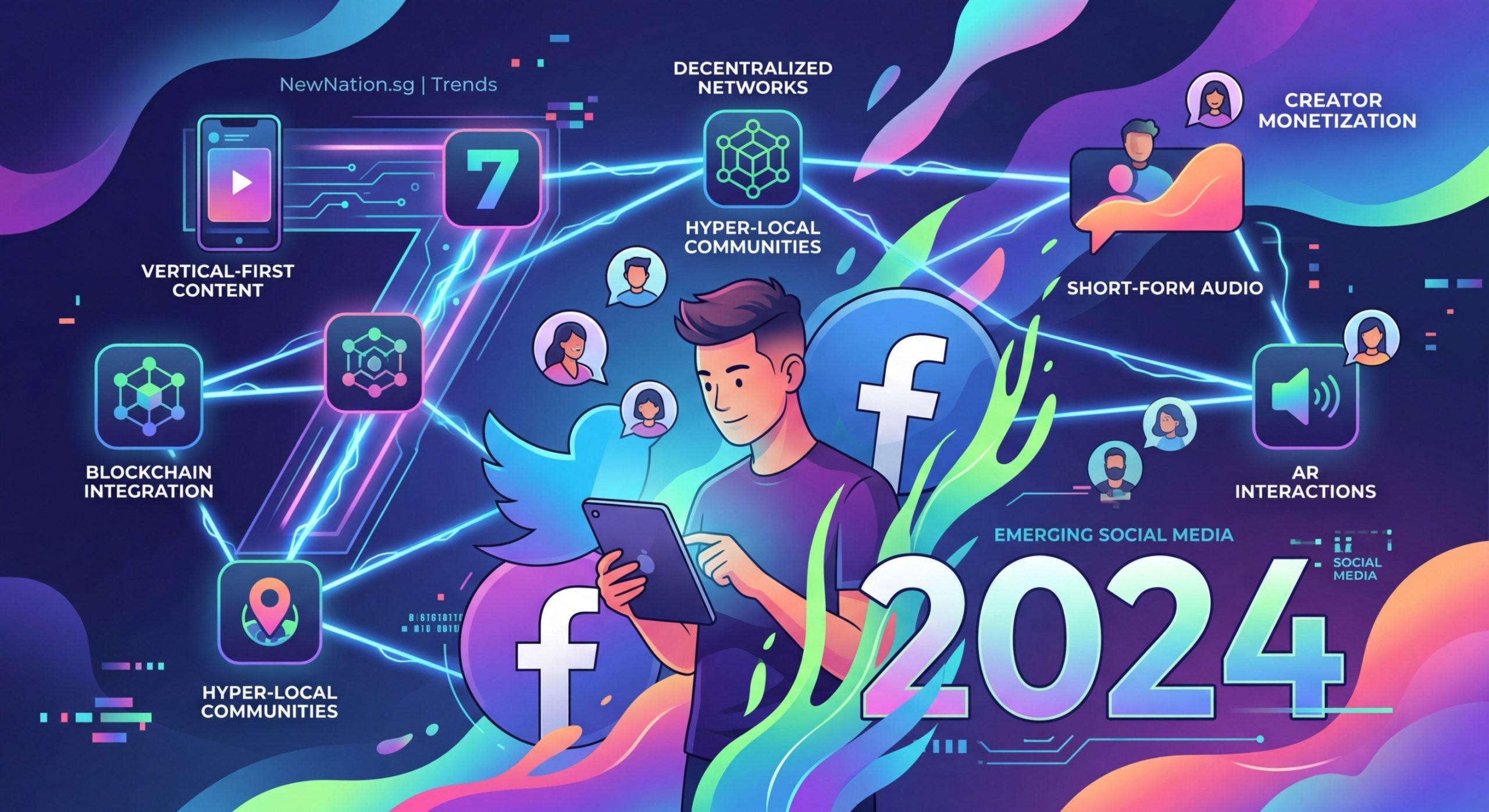
These aren’t just TikTok clones or Twitter alternatives. The emerging social media platforms 2024 is bringing to the table solve real problems that the big players ignore. Some focus on authenticity over algorithms. Others prioritize community ownership or vertical-specific networking. A few are betting that people are tired of endless scrolling and want purposeful connection instead.
For marketers, the opportunity is clear. Early adopters get better organic reach, lower ad costs, and direct access to engaged communities. The brands that win are the ones who spot the pattern before everyone else piles in.
New social platforms in 2024 are targeting gaps left by major networks, focusing on authentic communities, creator ownership, and niche interests. Marketing professionals who establish presence early gain competitive advantages through better reach, lower costs, and direct audience access. Success requires monitoring user growth patterns, testing content formats, and committing resources before mainstream adoption drives up competition and advertising prices.
Why new platforms are gaining ground now
The big networks have matured. Their algorithms prioritize paid content. Organic reach has tanked. Users complain about ads, bots, and content that feels manufactured.
This creates space for alternatives. Platforms that promise better creator economics attract influencers. Apps that emphasize real connections pull in users tired of performing for likes. Networks built around specific interests or professions offer more signal and less noise.
Timing matters too. The technology stack for building social apps has gotten cheaper and faster. Cloud infrastructure, AI moderation tools, and mobile development frameworks mean a small team can launch a polished product in months instead of years.
Regulatory pressure is also reshaping the landscape. Privacy laws, content moderation requirements, and antitrust scrutiny make it harder for giants to acquire or crush competitors. Smaller platforms have room to breathe and build.
Platforms making waves with specific audiences

Several networks are showing real traction in 2024. They’re not household names yet, but their growth curves and engagement metrics tell a different story.
BeReal continues to expand beyond Gen Z. The anti-Instagram vibe resonates with people exhausted by curated perfection. Brands are testing authentic, unpolished content that fits the platform’s ethos. Early results show strong engagement when done right.
Mastodon and federated social networks are attracting users who want control over their data and algorithms. The learning curve is steeper, but communities forming around specific instances show high loyalty. Tech companies and open-source projects are building presence here.
Substack Notes turned a newsletter platform into a social network. Writers who already had email audiences now have a built-in discovery engine. For B2B brands and thought leaders, it’s becoming a serious alternative to LinkedIn for sharing insights.
Lemon8 from ByteDance blends lifestyle content with e-commerce. It’s gaining ground with women interested in fashion, beauty, and home decor. Brands in these verticals are seeing strong conversion rates from early tests.
Clubhouse pivoted after its pandemic boom. The focus on smaller, recurring rooms with familiar faces is creating sticky communities. Professional networks and educational brands are finding value in audio-first engagement.
How to evaluate if a platform deserves your attention
Not every new app will survive. Most won’t. You need filters to decide where to invest time and budget.
- Check if the platform solves a real problem that existing networks ignore
- Look at user retention, not just download numbers
- Assess whether your target audience is already active there
- Evaluate if the platform’s values align with your brand
- Test if the content format plays to your strengths
Download spikes mean nothing if people delete the app after a week. Look for data on daily active users, session length, and month-over-month growth. Platforms that keep users coming back have staying power.
Audience fit matters more than total size. A platform with 500,000 highly engaged users in your niche beats one with 50 million random users. Go where your customers actually spend time, not where the headlines say you should be.
Content strategies that work on emerging platforms
The playbook from established networks doesn’t always transfer. Each platform has its own culture and expectations.
“The biggest mistake brands make on new platforms is importing their Instagram strategy wholesale. What works on a mature network with established norms often feels tone-deaf on a platform where the community is still defining itself.” – Sarah Chen, Social Media Strategist
Start by listening. Spend two weeks just observing. Notice what content gets engagement. Pay attention to comment tone, posting frequency, and community norms. The platforms that succeed long-term have distinct cultures. Respect them.
Test small. Create a few pieces of native content. See what resonates. Adjust based on real feedback, not assumptions. Many marketers are surprised by what performs.
Key differences to watch for:
- Posting frequency expectations vary wildly
- Some platforms reward consistency, others punish over-posting
- Hashtag culture differs or doesn’t exist at all
- Comment engagement norms range from chatty to minimal
- Visual style preferences can be opposite of Instagram or TikTok
Building presence before the crowd arrives
Early adoption gives you advantages that disappear once a platform hits mainstream.
Organic reach is higher when there’s less content competing for attention. Algorithms on new platforms often favor active creators to encourage participation. You can build an audience without paying for every impression.
Username and branding choices are available. Get the handle you actually want instead of settling for variations. Establish visual identity before competitors crowd the space.
Community relationships form more easily. When there are fewer brands, users are more open to engaging. You can have real conversations instead of shouting into a void. These early connections often become loyal advocates.
Partnership opportunities are more accessible. Platform teams are hungry for quality creators and brands to showcase. You might get featured, invited to beta programs, or given direct support that becomes impossible later.
Resource allocation for platform testing
You can’t be everywhere. Even large teams need to prioritize.
| Approach | Best For | Resource Level |
|---|---|---|
| Observer | Monitoring trends without commitment | 1-2 hours weekly |
| Experimenter | Testing content and engagement | 5-8 hours weekly |
| Early Builder | Establishing presence and community | 15-20 hours weekly |
| Strategic Bet | Full content calendar and paid tests | Dedicated team member |
Start as an observer for platforms on your radar. Set up accounts. Follow key voices. Track what’s working. This low-commitment approach helps you spot momentum shifts.
Move to experimenter when you see consistent growth and audience fit. Post weekly. Engage with comments. Test different content types. Measure what limited metrics are available.
Become an early builder when the data supports investment. Commit to regular posting. Develop platform-specific content. Build relationships with other creators. Track performance seriously.
Make a strategic bet only when you have proof of concept. Dedicate resources. Run paid tests if the platform offers ads. Treat it like you would an established channel.
Common mistakes that waste time and budget
Brands jump on new platforms for the wrong reasons. FOMO is not a strategy.
Chasing every new app spreads resources too thin. You end up with half-hearted presence on a dozen platforms instead of meaningful engagement on two or three. Focus beats breadth.
Treating new platforms like established ones kills authenticity. The community can tell when you’re just recycling content. They’re there because they want something different. Give them that.
Ignoring platform-specific features is a missed opportunity. Every network builds tools to encourage certain behaviors. Use them. They signal to algorithms that you’re a serious participant.
Giving up too soon means you miss the payoff. New platforms take time to find product-market fit. What looks quiet in month two might explode in month six. Patience matters.
Waiting too long means you miss the window. By the time a platform is “proven,” the early advantages are gone. You need conviction to move before everyone else does.
Metrics that matter on emerging platforms
Standard analytics might not exist yet. You need different ways to measure success.
Follower growth rate tells you if momentum is building. Track week-over-week changes. Spikes indicate content resonance or algorithm favor. Steady growth suggests sustainable strategy.
Engagement per post matters more than total followers. A thousand engaged users beat ten thousand passive ones. Look at comments, shares, and saves relative to reach.
Profile visits show interest level. People checking your profile are considering whether to follow or engage further. High visit rates with low follow-through suggest a positioning problem.
Direct messages and mentions indicate real connection. When users reach out directly, you’re breaking through the noise. These interactions often lead to customers or advocates.
Signals of traction:
- Comments that go beyond emoji reactions
- Users tagging friends in your content
- Shares to other platforms or private groups
- Requests for more content on specific topics
- Organic brand mentions outside your posts
Platform longevity indicators worth monitoring
Some new networks fizzle fast. Others build lasting value. Learn to spot the difference.
Funding and business model sustainability matter. Platforms burning cash without revenue plans often pivot or shut down. Look for clear monetization that doesn’t rely on selling user data.
Feature development pace shows commitment. Platforms that ship regular improvements are investing in growth. Stagnant products lose users to more dynamic alternatives.
Creator and user retention beats acquisition. New users mean nothing if existing ones leave. Platforms that keep their core community engaged have staying power.
Mainstream media coverage can be a double-edged sword. Some attention validates the platform. Too much too soon can bring an influx that destroys the culture that made it special.
Where smart marketers are placing bets
Conversations with brand managers and agency strategists reveal patterns in 2024 priorities.
Vertical-specific networks are getting serious attention. Platforms built for healthcare professionals, educators, or financial advisors offer better targeting than broad networks. The trade-off of smaller scale for higher relevance makes sense for many B2B brands.
Community-owned platforms attract brands focused on long-term relationships. Networks where users have governance rights or equity create different dynamics. Early participants can shape platform evolution.
Privacy-first alternatives appeal to audiences tired of surveillance capitalism. Brands that can market effectively without invasive tracking gain competitive advantage as regulations tighten.
Audio and asynchronous formats are growing. Not everything needs to be visual. Platforms that let people engage while commuting or multitasking fit modern lifestyles.
Testing frameworks for new platform adoption
Structure beats random experimentation. Build a process for evaluation and testing.
- Identify three platforms that align with your audience and brand values
- Commit to 90-day observation and light participation on each
- Track growth metrics, engagement patterns, and community culture
- Choose one platform for deeper investment based on data
- Build a content calendar and measure performance against clear goals
- Reassess quarterly and adjust strategy or platform focus as needed
Document what you learn. Template what works. Share insights across your team. The skills you build evaluating one platform transfer to the next.
Preparing for the next wave of social innovation
The platforms dominating 2024 won’t be the last new networks. Technology and user preferences keep evolving.
AI-native social platforms are already in development. Networks where algorithms don’t just surface content but help create it will change how we think about authenticity and creativity.
Virtual and augmented reality social spaces are maturing. As hardware gets cheaper and more comfortable, spatial social networks could finally hit mainstream adoption.
Decentralized and blockchain-based platforms promise user ownership and portability. Whether these deliver on their potential or remain niche is still unfolding.
The next generation of social might not look like what we call social media today. Staying ahead means watching for shifts in how people want to connect, not just new apps that replicate old patterns.
Making the call on where to invest now
You have limited time and budget. Every platform you commit to means saying no to something else.
The brands winning on emerging platforms share common traits. They move with conviction but not recklessness. They test systematically. They respect platform culture. They measure honestly and adjust quickly.
They also accept that some bets won’t pay off. Not every platform will succeed. But the cost of missing the next major network is higher than the cost of a few failed experiments.
Start monitoring now. Pick one platform that aligns with your audience. Commit to showing up consistently for three months. Create content that fits the culture. Engage authentically. Measure what matters.
The emerging social media platforms 2024 is surfacing won’t all become giants. But some will. Your job is to be there when they do, with an established presence and a community that trusts you. That advantage is worth the effort of being early.